 1
1
 0
0
Scientists are progressing towards a potential breakthrough in curing HIV by using CRISPR gene-editing technology to cut HIV out of human DNA. Early clinical trials of the experimental therapy EBT-101, developed by Excision BioTherapeutics, show promising results in safely targeting and removing latent HIV DNA reservoirs from patients’ cells. This innovative approach aims to move beyond current antiretroviral therapy (ART) — which controls but does not eradicate the virus — towards a functional cure for HIV infection.
Key Scientific Developments
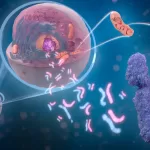
CRISPR-Cas9, a gene-editing tool described as molecular scissors, enables precise cutting and modification of DNA sequences. Excision BioTherapeutics pioneered the EBT-101 therapy that uses CRISPR to target multiple crucial sites within the HIV genome integrated into human DNA. Phase I/II clinical trials demonstrated that EBT-101 could be safely administered in humans, disrupting viral DNA while showing no serious adverse effects so far. Additional research has investigated multi-site targeting to almost completely stop viral replication with minimal off-target damage to cellular DNA.
Complementing this approach, research on editing the CCR5 gene — a co-receptor critical for HIV entry into immune cells — has also advanced. Gene editing technologies such as CRISPR, zinc finger nucleases, and TALENs have been employed for CCR5 editing, building on insights from rare individuals naturally resistant to HIV due to CCR5 mutations. Initial clinical trials indicate that CCR5 gene editing can enhance immune resistance to HIV when combined with immunotherapy strategies.
Expert Perspectives
Dr. James Dixon, a gene therapy expert at the University of Nottingham, emphasizes cautious optimism: “This early work shows proof of concept, but much more development and testing are necessary before a CRISPR-based HIV cure could be widely used.” He highlights challenges such as ensuring safety, managing off-target effects, and successfully editing all infected cells in the body.
Virologist Dr. Jonathan Stoye from the Francis Crick Institute notes the complexity of completely clearing HIV reservoirs due to the virus’s ability to hide in dormant cells. “Removing HIV from all cellular reservoirs is extremely challenging,” he says, stressing the need for long-term studies to understand the therapeutic impact and safety fully.
Background and Context
HIV integrates its DNA into the genome of host immune cells, creating latent reservoirs that current ART cannot eliminate. These reservoirs can reactivate if treatment stops, necessitating lifelong medication. Existing antiretroviral drugs effectively suppress viral replication and allow people living with HIV to lead normal life spans, but they do not cure the disease.
Gene-editing technologies like CRISPR have revolutionized biomedical research by providing tools to directly target and modify genes, raising the prospect of eliminating latent viral DNA. EBT-101 and similar therapies represent a new frontier focused on editing or excising HIV genetic material from infected cells to achieve a durable, functional cure, potentially freeing patients from lifelong drug dependence.
Public Health Implications
A successful CRISPR-based therapy that removes HIV DNA could transform global HIV management by eliminating the virus from patients’ genomes. This would reduce the disease burden, medication costs, and side effects associated with lifelong ART. However, it also underscores the importance of accessibility and affordability, especially in low-resource settings where HIV prevalence is high.
Gene-editing cures could complement existing prevention and treatment strategies, including pre-exposure prophylaxis (PrEP) and ART, accelerating progress toward ending the HIV epidemic globally by 2030, as targeted by health organizations.
Limitations and Counterarguments
Despite encouraging early data, the path to a safe, effective CRISPR-based cure faces obstacles. Potential off-target gene edits pose safety risks. Editing must be efficient enough to reach all latent reservoirs scattered across different tissues. Immune responses to gene-editing components and the durability of the treatment effect remain concerns.
Moreover, current trials include small participant numbers and short follow-up periods; large-scale studies and long-term monitoring are required to confirm efficacy and safety. Some experts caution that while exciting, these technologies may take many years before becoming routine clinical treatments.
Practical Takeaways for Readers
The emerging CRISPR gene-editing therapies for HIV are experimental but represent a hopeful leap toward a potential cure. Until such treatments are proven and widely available, adherence to existing ART remains crucial for controlling HIV infection. Early diagnosis, continuous treatment, and preventive measures like PrEP are vital in managing HIV at the individual and population levels.
Readers should follow updates from credible health authorities regarding advances in HIV research and consult healthcare professionals for personalized medical advice.
Medical Disclaimer: This article is for informational purposes only and should not be considered medical advice. Always consult with qualified healthcare professionals before making any health-related decisions or changes to your treatment plan. The information presented here is based on current research and expert opinions, which may evolve as new evidence emerges.
References
- https://telanganatoday.com/scientists-edge-closer-to-cutting-hiv-out-of-human-dna
- https://www.bbc.com/news/health-68609297