 0
0
 0
0
New Delhi, June 4, 2025 — A groundbreaking study using advanced brain scans has provided new insights into how emotional development unfolds in infants, potentially paving the way for early identification of children at risk of behavioral and emotional challenges.
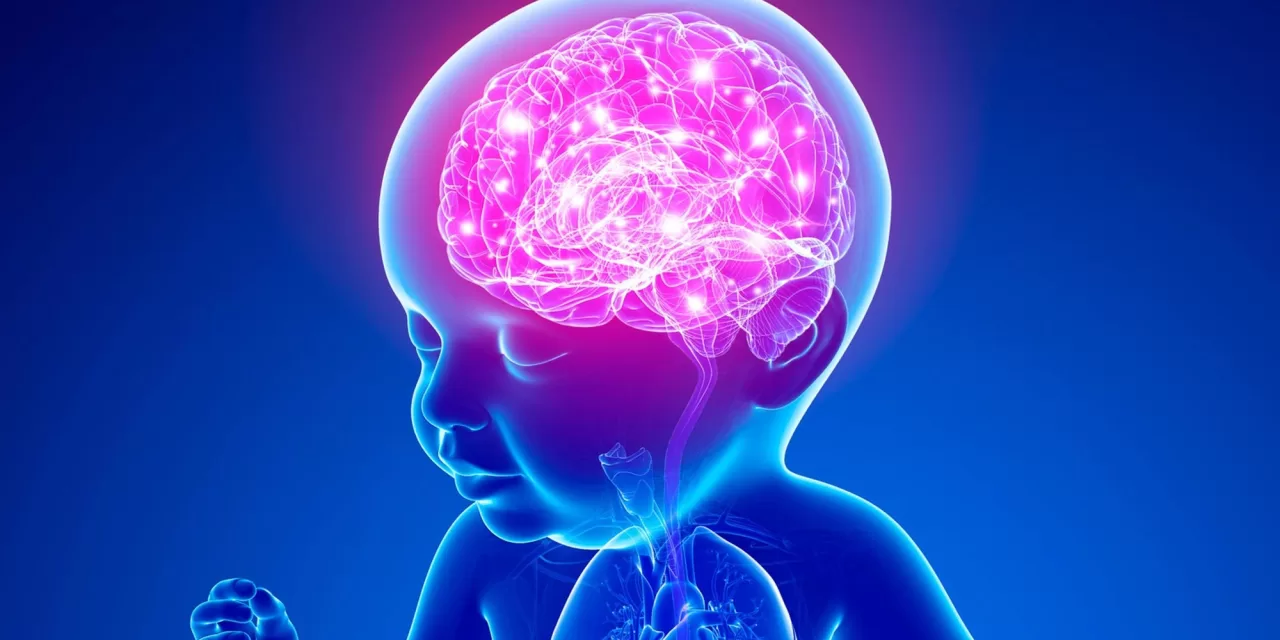
Researchers from the University of Pittsburgh, USA, led a team that examined 95 pairs of infants and their caregivers. Their findings, published in the journal Genomic Psychiatry, suggest that the structure of a baby’s brain at just three months old could predict how their emotions and self-soothing abilities will develop over the following six months.
White Matter: The Brain’s “Information Highway”
The study focused on white matter, often referred to as the brain’s “information highway” because it enables rapid communication between different brain regions. Using an advanced MRI technique called Neurite Orientation Dispersion and Density Imaging (NODDI), the researchers identified two key white matter pathways linked to emotional outcomes:
-
Forceps Minor (FM): Infants with more diffused neuron endings in this tract, which connects the brain’s hemispheres, showed increased negative emotionality between three and nine months of age.
-
Left Cingulum Bundle (CB): Babies with a more complex structure in this pathway, which connects regions involved in executive control, displayed more positive emotions and better self-soothing abilities.
Implications for Early Intervention
Lead researcher Professor Mary L. Phillips emphasized the potential impact of these findings:
“Understanding these early neural markers could transform how we approach infant mental health, allowing for targeted interventions during critical developmental windows,” she said.
Previous research has established that infants who display a higher tendency for negative emotions are at greater risk for anxiety and behavioral disorders later in life, while lower positive emotions have been linked to depression and social difficulties.
The study’s authors believe that identifying objective markers of emotional development in the brain could help pediatricians and clinicians screen infants for risk factors before behavioral problems emerge, enabling earlier and more effective interventions.
Advanced Imaging for Early Detection
Traditional brain imaging methods often struggle to capture the complex organization of developing brain tissue. By using the NODDI technique, the team was able to observe subtle differences in white matter structure that correlate with emotional development.
“In three-month infants, higher neurite dispersion and lower longitudinal fibre alignment in the forceps minor were associated with a larger increase in negative emotions from three to nine months of age,” the study noted.
Conversely, “higher neurite density and dispersion as well as lower white matter longitudinal alignment in the left cingulum bundle were associated with a larger increase in positive emotions.”
Looking Ahead
The study’s findings could have significant implications for pediatric care and early childhood development, offering hope for earlier detection and intervention for infants at risk of emotional and behavioral challenges.
Disclaimer:
This article is based on information reported by the Economic Times Health and the referenced scientific study. The findings are preliminary and should not be interpreted as medical advice. Parents concerned about their child’s emotional development should consult qualified healthcare professionals for personalized guidance.