 0
0
 0
0
April 27, 2026
NEW DELHI — A pharmaceutical manufacturer previously linked to a string of pediatric deaths has reportedly re-entered the Indian market under a new corporate identity, sparking a firestorm of criticism from public health advocates and exposing persistent vulnerabilities in the nation’s drug regulatory framework. The discovery, first highlighted in investigative reports following a tragic 2025 contamination crisis, has forced a reckoning among regulators who are struggling to prevent “phoenix firms”—troubled companies that shut down only to rise again under different names—from bypassing safety sanctions.
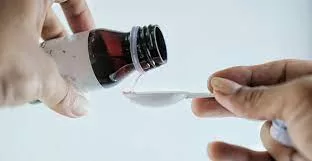
This development follows the deaths of at least 24 children in Rajasthan and Madhya Pradesh last year, which were tied to cough syrups contaminated with lethal levels of industrial chemicals. As authorities scramble to trace the new entity’s supply chain, the incident has reignited a national debate over whether India’s “pharmacy to the world” reputation is being undermined by inconsistent domestic oversight.
The Chemical Culprit: How Contamination Turns Lethal
The heart of the crisis lies in a clear, odorless, and sweet-tasting liquid called diethylene glycol (DEG). While it may look and taste like glycerin or propylene glycol—common solvents used in liquid medicines—DEG is a highly toxic industrial chemical typically found in antifreeze and brake fluid.
In the 2025 cases, investigators found DEG levels nearly 500 times above the acceptable safety limit. When ingested, the body metabolizes DEG into toxic acids that cause a “cascading failure” of internal systems.
-
Phase 1: Gastrointestinal distress, including vomiting and abdominal pain.
-
Phase 2: Metabolic acidosis, where the blood becomes dangerously acidic.
-
Phase 3: Acute Kidney Injury (AKI), characterized by a sudden stop in urine production, followed by neurological symptoms like seizures or coma.
“Because the early symptoms resemble common viral infections, many parents don’t realize the medicine they are giving to soothe a cough is actually causing the kidney failure,” says Dr. Anjali Nayyar, a pediatric nephrologist not involved in the original investigation. “By the time they reach the hospital with decreased urine output, the damage is often irreversible.”
Regulatory Gaps and the “New Name” Loophole
The recent resurfacing of a linked manufacturer under a different name highlights what experts call a “regulatory labyrinth” in India. Currently, drug manufacturing licenses are often managed at the state level, while export quality is monitored by the central government.
According to Rutendo Kuwana, a lead official at the World Health Organization (WHO), this creates a two-tiered system. While India has implemented stricter testing for exported syrups, products sold domestically often face less stringent batch-testing requirements.
“The oversight for medicines sold within India has historically been less robust than for those sent abroad,” Kuwana noted in a 2025 briefing. “It is a work in progress, but the ability of a firm to change its name and potentially resume operations suggests that accountability and continuity of oversight are still major hurdles.”
The 2025 Crisis by the Numbers
| Metric | Reported Figure | Source |
| Confirmed Deaths | 24 children | Reuters/BBC |
| Contamination Level | 500x above safety limit | Reuters |
| Toxic Substance | Diethylene Glycol (DEG) | WHO Alert |
| Proposed Compliance Deadline | January 2026 | Indian Ministry of Health |
A National Test of Accountability
The Indian Academy of Pediatrics (IAP) has been vocal in clarifying that the danger does not stem from cough medicine itself, but from catastrophic manufacturing failures. The IAP has urged the government to implement mandatory “QR code” tracking for every batch of syrup and to enforce clearer warning labels.
In response to the mounting pressure, the Indian government announced in late 2025 that it would force drugmakers to upgrade their facilities to meet international Good Manufacturing Practices (GMP) standards. Rather than granting further extensions, officials have signaled a “zero-tolerance” approach to manufacturing lapses.
However, critics argue that as long as state and central databases remain unlinked, companies can exploit administrative blind spots. “If a firm is blacklisted in one state, there must be a foolproof system to ensure they cannot simply register a new GST number and start a new plant in a neighboring province,” says Rajeev Singh, a public health policy analyst.
Public Health Implications: Advice for Parents
The current climate of uncertainty has left many parents wary of over-the-counter (OTC) medications. Health authorities emphasize that while most Indian pharmaceuticals are safe, the following precautions are essential:
-
Avoid Self-Medication: Do not purchase cough syrups without a formal prescription from a qualified clinician.
-
Verify the Source: Buy only from licensed pharmacies that provide a printed bill with the batch number and expiry date clearly listed.
-
Watch for “Red Flags”: If a child shows unusual sleepiness, vomiting, or a decrease in the frequency of urination after taking a liquid medicine, seek emergency medical care immediately.
-
Question “Cure-Alls”: Be skeptical of unknown brands that claim to treat a wide array of symptoms with a single syrup.
Limitations and Unanswered Questions
While the resurfacing of the firm is a significant lead, several questions remain. It is not yet clear if the “new” firm shares the same ownership or if it is merely utilizing the same facility. Furthermore, while the 2025 deaths were concentrated in specific regions, the full extent of the distribution of these contaminated batches is still being mapped by investigators.
It is also vital for the public to avoid a blanket rejection of all liquid medicines. The vast majority of Indian pharmaceutical companies adhere to strict safety protocols. The current crisis is a localized failure of specific manufacturers and the oversight mechanisms meant to catch them, rather than a condemnation of the entire industry.
As the legal proceedings move into 2026, the outcome of the manslaughter probes and the success of the new GMP mandates will determine whether India can finally close the chapter on DEG poisoning.
References
- https://medicaldialogues.in/news/industry/pharma/cough-syrup-death-linked-pharma-firm-resurfaces-under-new-name-sparks-regulatory-concerns-169428
Medical Disclaimer: This article is for informational purposes only and should not be considered medical advice. Always consult with qualified healthcare professionals before making any health-related decisions or changes to your treatment plan. The information presented here is based on current research and expert opinions, which may evolve as new evidence emerges.