 0
0
 0
0
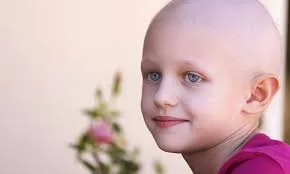
CHANDIGARH — In a move that could redefine how specialized pediatric care is delivered in Northern India, the Punjab government is actively considering a policy shift to fund childhood cancer treatments across state lines. The proposal, aimed at removing the “geographical lottery” of healthcare, would allow the state’s official health insurance and relief funds to follow young patients to centers of excellence in neighboring states like Haryana and Delhi.
The initiative was highlighted by state health officials during a consultative workshop on improving access to treatment, marking a potential turning point for thousands of families currently restricted by administrative boundaries during medical emergencies.
Breaking the “Border Barrier” in Pediatric Oncology
Every year, approximately 4,400 children are diagnosed with cancer across Northwest India, spanning Punjab, Haryana, Himachal Pradesh, Ladakh, Jammu & Kashmir, and Chandigarh. For many of these families, the nearest “Center of Excellence”—a hospital with the specific expertise and equipment to treat rare pediatric malignancies—is often located just across a state border.
Currently, government financial assistance schemes, such as the Mukh Mantri Cancer Rahat Kosh in Punjab, are largely tied to providers within the state or specific empanelled institutions. When a child requires a specialized bone marrow transplant or advanced chemotherapy available only in a neighboring city like Gurugram or Chandigarh, families often face a bureaucratic wall, forced to choose between inferior local care or debilitating out-of-pocket expenses abroad.
“Recently, we received an empanelment request from a hospital in Gurugram, Haryana, where five Punjab patients were shifted for treatment from AIIMS,” noted Dr. Gagandeep Singh Grover, Assistant Director of Non-Communicable Diseases (NCD) for Punjab’s Department of Health and Family Welfare. Dr. Grover confirmed that the state is now “actively considering” a proposal to allow such cross-border empanelment under official health schemes.
The Case for Interoperability
The push for “interoperability”—the ability for insurance benefits to work seamlessly across different state jurisdictions—is gainng momentum among public health experts and advocacy groups.
Poonam Bagai, founder of Cankids and a member of the ICMR Central Ethics Committee, argues that the six states and UTs in Northwest India must operate as a unified healthcare ecosystem.
“The government financial assistance scheme of the native state should follow the patient,” Bagai said during the stakeholder dialogue. She pointed to successful models in states like Uttar Pradesh, where patients can utilize state aid at facilities in Madhya Pradesh. “A beneficiary under Punjab’s relief fund should be free to get treated in Haryana, just as children from Ladakh should be able to use their home government’s aid at PGIMER in Chandigarh.”
Why Childhood Cancer is Different
Treating cancer in children is fundamentally different from treating it in adults. According to the World Health Organization (WHO), while adult cancers are often linked to lifestyle or environmental factors, childhood cancers generally have no known cause and cannot be prevented. However, when identified early and treated with evidence-based therapies, more than 80% of children in high-income countries survive.
In India, that survival rate is significantly lower, often due to:
-
Abandonment of treatment: Families cannot afford the travel or stay in distant cities.
-
Delayed diagnosis: Lack of local specialized centers.
-
Financial Toxicity: Even with “free” schemes, the inability to use those funds at the most accessible or highest-quality facility leads to debt.
Expert Perspectives: A Systemic Shift
Medical professionals not directly involved in the policy negotiations suggest that this move is a necessary evolution of India’s Universal Health Coverage (UHC) goals.
“Cancer care is not a one-time surgery; it is a marathon of cycles, follow-ups, and supportive care,” says Dr. Arpan Ghosh, a pediatric oncologist (not present at the workshop). “If a family from a village in Punjab lives 50 kilometers from a high-end facility in Haryana but 250 kilometers from one in their own state, forcing them to stay within state lines is a prescription for treatment abandonment.”
The workshop also featured insights from Dr. Sushil Mahi, Director of NCD in Haryana, who expressed a reciprocal willingness to explore options that help children seek treatment “seamlessly at centers of excellence near their homes.”
Challenges and Limitations
Despite the optimism, implementing a “money follows the patient” model across state lines faces significant hurdles:
-
Varying Reimbursement Rates: Different states may have different “package rates” for the same procedure under the Ayushman Bharat or state-specific schemes, leading to billing disputes between hospitals and outside governments.
-
Audit and Accountability: Ensuring that funds are used correctly when the treating facility is outside the home state’s immediate regulatory jurisdiction requires robust digital tracking.
-
Capacity Strain: Centers of Excellence like PGIMER Chandigarh are already operating at over-capacity. Interoperability might increase the influx of patients to a few top-tier hospitals, potentially overwhelming them.
The Path Forward: A Regional Task Force
To address these complexities, the workshop concluded with the announcement that a Regional Task Force will soon be established. This body will coordinate between the six northern states and UTs to ensure that administrative borders do not become barriers to survival.
The sessions—which included experts from CMC Ludhiana and PGIMER Chandigarh—focused on an “Integrated Model for Comprehensive Childhood Cancer Care.” This model advocates for a “hub-and-spoke” system where primary stabilization happens locally, but advanced treatment is funded wherever the best expertise resides.
For the parents of the 4,400 children diagnosed annually in this region, the message is clear: the government is finally looking at the map through the eyes of a patient, rather than a politician.
References
- https://tennews.in/punjab-govt-likely-to-fund-treatment-of-states-childhood-cancer-patients-in-other-states/
Medical Disclaimer: This article is for informational purposes only and should not be considered medical advice. Always consult with qualified healthcare professionals before making any health-related decisions or changes to your treatment plan. The information presented here is based on current research and expert opinions, which may evolve as new evidence emerges.