 0
0
 0
0
JAIPUR — In a decisive move to safeguard public health, the Rajasthan Commissionerate of Food Safety and Drugs Control issued an immediate ban on the sale, distribution, and use of seven commonly prescribed medicines on April 22, 2026. The mandate follows a rigorous testing cycle conducted between April 1 and April 15, during which laboratory results classified the drugs as “Not of Standard Quality” (NSQ). State Drug Controller Ajay Phatak has ordered all drug control officers to initiate an immediate recall, invoking the Drugs and Cosmetics Act, 1940, to ensure these ineffective or potentially harmful batches are removed from pharmacy shelves across the state.
The Crackdown: Which Medicines Failed?
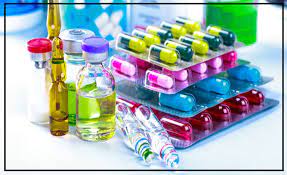
The recent laboratory assays revealed that several batches of antibiotics, anti-parasitics, and respiratory treatments did not contain the required levels of active pharmaceutical ingredients (API) or failed to meet safety dissolution standards.
The prohibited list includes:
-
Cefixime Oral Suspension IP (Brand: Loraxim Dry Syrup, Batch LXS3-49): A critical antibiotic used for pediatric bacterial infections. Tests showed it failed the “assay” test, meaning it lacked the necessary chemical strength to fight infection.
-
Albendazole Tablets (Batch expiry June 2027): A standard treatment for parasitic worm infestations.
-
Istocuf-LS Drops (Ambroxol Hydrochloride, Levosalbutamol, and Guaifenesin): A combination respiratory medication used to treat cough and congestion.
-
Additional Formulations: Various other antibiotics and anti-inflammatory drugs from manufacturers across Himachal Pradesh and Rajasthan.
Commissioner Dr. T. Shubhamangala emphasized that this is part of a broader, proactive surveillance strategy. “The department conducts continuous testing to ensure that only quality drugs reach the public,” she stated. This action follows a similar alert in January 2026, where 16 other medicines failed quality checks, signaling a persistent challenge in pharmaceutical supply chain integrity.
Why “Substandard” is a Public Health Crisis
When a medicine is labeled “Not of Standard Quality,” it is not merely a technicality; it represents a significant medical risk.
Dr. Rajesh Sharma, a public health expert at AIIMS Jodhpur (not involved in the testing), warns that the implications range from prolonged illness to life-threatening complications. “Substandard antibiotics like Cefixime are particularly dangerous,” Dr. Sharma explained. “If the drug doesn’t have enough active ingredient to kill the bacteria, the infection persists. Even worse, the surviving bacteria learn how to fight the drug, contributing to the global crisis of antimicrobial resistance (AMR).”
For treatments like Albendazole, low potency means parasites may not be fully cleared from the body, leading to chronic malnutrition and developmental delays, particularly in children. In the case of cough syrups like Istocuf-LS, patients are exposed to chemical additives (excipients) without receiving any of the therapeutic relief they expect.
The Manufacturing Gap: Expert Perspectives
The failure of these drugs often points to systemic issues within the production line. Dr. Priya Mehta, a pharma analyst with the Indian Pharmaceutical Alliance, notes that while some failures are accidental, they usually stem from lapses in Good Manufacturing Practices (GMP).
“These failures frequently result from poor quality control during manufacturing or improper storage conditions that cause the medicine to degrade,” Dr. Mehta said. Under the Central Drugs Standard Control Organization (CDSCO) guidelines, these drugs fall into Category B (Grossly Substandard). If investigators find that these defects were caused by willful negligence, the manufacturers could face criminal prosecution.
National and Global Context
India’s pharmaceutical industry is a global powerhouse, valued at over $50 billion. However, this reputation is frequently tested by quality control issues. National studies estimate that between 5% and 12% of drug samples in major Indian metros fail quality checks.
The Rajasthan ban mirrors a growing national intolerance for poor manufacturing. In 2025 alone, authorities took action against seven major firms and 40 specific medicines under the Chief Minister’s Free Medicine Scheme. Globally, the stakes are even higher; contaminated Indian-made cough syrups were linked to the deaths of over 70 children in Gambia in recent years, prompting international health bodies to call for stricter oversight of Indian exports.
What This Means for Patients
For the 80 million residents of Rajasthan, the immediate concern is checking the medicine cabinet. A patient attempting to treat a urinary tract infection (UTI) with the failed Cefixime batch might find their symptoms worsening, potentially leading to kidney damage if the infection remains unchecked.
Practical Advice for Consumers:
-
Verify Your Batches: Check the packaging of any syrups or tablets. If the batch number matches LXS3-49 (Loraxim) or other flagged batches, stop use immediately.
-
Consult Your Physician: If you have been taking one of the banned medicines, do not simply stop treatment. Visit your doctor to transition to a verified, GMP-compliant generic equivalent.
-
Source Wisely: Always purchase medicines from licensed pharmacies that provide a valid GST invoice.
-
Report Side Effects: If a medicine seems ineffective or causes unusual reactions, report it via the CDSCO SUGAM portal or the national helpline at 1800-11-2233.
Challenges to Enforcement
Despite the ban, critics argue that enforcement remains uneven. While urban pharmacies are quick to comply, rural supply chains are harder to monitor, and substandard stocks may remain in circulation longer in remote areas.
Furthermore, manufacturers have the right to challenge these findings. Companies like Lark Laboratories may request a re-test at the Central Drugs Laboratory, claiming the failure was limited to a specific, mishandled sample rather than a systemic manufacturing flaw. Regulators, however, maintain that in matters of public health, they must “err on the side of caution” and remove the products first.
Looking Ahead
The Rajasthan crackdown is a reminder of the “dual reality” of the Indian pharmaceutical sector: it is a “pharmacy to the world” that still struggles with internal quality consistency. As the state intensifies its surveillance, the message to manufacturers is clear: quality is non-negotiable. For the public, sustained vigilance remains the best defense against the silent threat of substandard medicine.
Medical Disclaimer: This article is for informational purposes only and should not be considered medical advice. Always consult with qualified healthcare professionals before making any health-related decisions or changes to your treatment plan. The information presented here is based on current research and expert opinions, which may evolve as new evidence emerges.
References
- https://www.socialnews.xyz/2026/04/22/crackdown-on-sub-standard-drugs-in-rajasthan-seven-medicines-banned/amp/