 0
0
 0
0
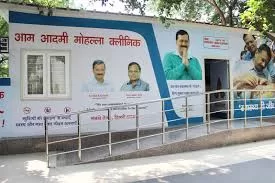
CHANDIGARH — In a move signaling a major acceleration of healthcare infrastructure, Punjab Chief Minister Bhagwant Mann announced on March 20, 2026, that 100 additional Aam Aadmi Clinics (AACs) will open their doors on March 28. This expansion, part of a broader plan to add 500 new units to the state’s existing network of 883 facilities, aims to solidify primary healthcare as a fundamental right for every citizen in the state.
The announcement comes as the AAC model—inspired by Delhi’s Mohalla Clinics—surpasses a milestone of 5 crore outpatient department (OPD) visits. By providing free consultations, diagnostics, and medicines at the neighborhood level, the Punjab government is attempting to bridge the longstanding gap between rural populations and quality medical intervention.
Strengthening the First Line of Defense
Primary healthcare serves as the “gatekeeper” of public health. When functioning effectively, it identifies chronic conditions like hypertension and diabetes before they escalate into life-threatening emergencies.
The current AAC framework offers a standardized suite of services:
-
Expert Consultation: Access to an MBBS-qualified Medical Officer.
-
Diagnostic Suite: 47 essential laboratory tests conducted on-site.
-
Pharmacy Access: 107 types of essential medicines provided free of charge.
-
Specialized Care: Maternal health screenings, immunizations, and anti-rabies treatments.
“The health and well-being of our citizens is the top priority,” stated Punjab Health Minister Dr. Balbir Singh during a recent review. “These clinics are a boon for public access, designed to serve every patient with compassion and dignity.”
The expansion is strategically balanced, with 565 clinics currently serving rural areas and 316 in urban centers. This distribution is specifically designed to reduce the “travel burden”—the time and money lost when laborers, the elderly, or pregnant women must travel long distances to district hospitals for basic care.
Data-Driven Success and Digital Innovation
According to a survey conducted by the Punjab Development Commission (PDC) involving over 18,256 patients, the public response has been overwhelmingly positive. The data indicates a 96% satisfaction rate with treatments and a 99% approval rating for facility cleanliness.
Punjab has also become the first state to integrate WhatsApp-based digital tools into primary care. This system automates prescription follow-ups and sends medication reminders directly to patients’ phones. For a patient managing a chronic condition like Type 2 diabetes, these digital nudges can significantly improve adherence to treatment plans, ultimately reducing the risk of complications such as kidney failure or stroke.
Integration with Universal Coverage: The MMSY Factor
The clinic expansion does not exist in a vacuum. It is the entry point for the Mukh Mantri Sehat Yojana (MMSY), a state-funded insurance scheme that has recently been expanded to offer Rs 10 lakh annual cashless treatment per family.
Unlike the central Ayushman Bharat scheme, which often carries income-based eligibility criteria, the Punjab model has removed the income cap for 65% of the population. With over 2,300 procedures covered across 900 empanelled hospitals, the goal is to prevent “catastrophic health expenditure”—a leading cause of poverty in India.
“We are building the country’s best model,” Chief Minister Mann noted, highlighting that the state has recruited 948 general doctors and 627 specialists in the last four years to support this surge, representing roughly 35% of the total government medical workforce.
Addressing the Challenges: Staffing and Sustainability
Despite the rapid growth, the journey has not been without friction. Medical associations and political critics have raised concerns regarding the sustainability of such a vast network.
Dr. Akhil Sarin, President of the Punjab Civil Medical Services Association (PCMSA), noted that while recruitment is aggressive—including the recent hiring of 304 MBBS officers—workforce gaps remain a hurdle. Early iterations of the clinics faced criticism for “rebranding” existing sub-centers without adding new staff, which critics argued led to doctor shortages in larger secondary care hospitals.
Furthermore, while NITI Aayog data shows Punjab’s doctor-patient ratio improved to 1:510 in 2024 (better than the WHO-recommended 1:1,000), the burden on nursing staff has reportedly increased. Maintaining the 47 diagnostic tests and 107 medicines consistently across 1,100+ locations will require a robust supply chain to avoid the “medicine-out-of-stock” issues that plagued previous administrations.
What This Means for Your Daily Health
For the average resident of Punjab, the expansion of the AAC network translates into several practical benefits:
-
Lower Out-of-Pocket Costs: Routine fevers, minor injuries, and chronic screenings are now free, preserving family savings.
-
Early Detection: High-volume OPDs (70,000+ daily users) mean more people are being screened for “silent killers” like hypertension.
-
Simplified Registration: Residents can use their Aadhaar or Voter ID at any AAC to register for the Rs 10 lakh MMSY coverage.
-
De-congestion: By handling “minor” cases at the clinic level, larger civil hospitals can focus on complex surgeries and critical care, reducing wait times for everyone.
The Road Ahead: 2026 and Beyond
The Punjab government has earmarked Rs 2,000 crore for the 2026-27 health budget, a significant increase aimed at funding new medical colleges (adding 600 MBBS seats) and 22 new critical care blocks. Plans are also underway to introduce AI-driven screening for breast and cervical cancers by late 2026.
As Punjab moves toward a total of 1,117 clinics, the focus must shift from quantity to consistent quality. If the state can maintain its high satisfaction rates while filling remaining specialist vacancies, the Aam Aadmi Clinic model may well serve as a blueprint for primary healthcare across Southeast Asia.
Medical Disclaimer: This article is for informational purposes only and should not be considered medical advice. Always consult with qualified healthcare professionals before making any health-related decisions or changes to your treatment plan. The information presented here is based on current research and expert opinions, which may evolve as new evidence emerges.
References
Primary Sources & Studies:
- https://health.economictimes.indiatimes.com/news/policy/punjab-to-add-100-aam-aadmi-clinics-this-month-400-more-planned-cm-mann/129711361?utm_source=latest_news&utm_medium=homepage