 0
0
 0
0
CHENNAI — In a major structural shift designed to upgrade the infrastructure of one of India’s most heavily utilized public health networks, the Government of Tamil Nadu has launched a state-backed digital donation platform, Nalam Tamil Nadu (Nalam TN). The initiative establishes a formal mechanism for corporate entities, charitable trusts, medical college alumni, and individual citizens to directly fund public hospitals.
The state-level foundation, spearheaded by Chief Minister C. Joseph Vijay during a launch event on Tuesday at Presidency College, seeks to combine private philanthropy with public financing to bridge critical infrastructure and high-end equipment gaps across the state’s 38 districts.
The platform’s unveiling was accompanied by a massive simultaneous deployment of human resources and capital. Chief Minister Vijay handed over formal appointment orders to 751 Assistant Medical Officers and 1,393 Grade II Health Inspectors recruited through the Medical Services Recruitment Board (MRB). In tandem, the state inaugurated newly constructed hospital wings and advanced diagnostic medical machinery valued at approximately ₹139.47 crore across several regional facilities.
Expanding Beyond the Routine State Budget
Tamil Nadu’s public healthcare infrastructure is extensive, comprising 36 government medical college hospitals, 37 district headquarters hospitals, 286 secondary government hospitals, and 2,336 primary health centers. Collectively, these institutions handle an immense daily load, treating roughly 809,000 outpatients, managing 74,591 inpatients, and facilitating over 1,000 childbirths every single day.
While the state has historically been recognized as a strong public health performer in India—pioneering programs like free organ transplants under the Chief Minister’s Comprehensive Health Insurance Scheme (CMCHIS)—systemic deficits persist at the grassroots level. Health Minister K. G. Arunraj acknowledged that despite high clinical standards, many government facilities face basic logistical and environmental issues.
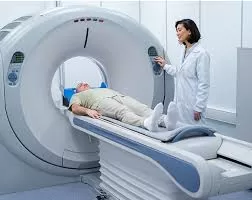
“While government hospitals have been delivering quality health care, we still have a long way to go,” Arunraj noted during the launch. “Many require basic facilities such as clean toilets, boundary walls, and residential quarters for doctors and nurses. We also need high-end equipment such as dialysis machines and linear accelerators [radiation therapy equipment used in cancer care].”
Purchasing such specialized, capital-intensive technology uniformly across all districts stretches routine fiscal budgets. The newly formed non-profit entity, registered as a Section 8 company under the Health and Family Welfare Department, acts as a pooled funding model.
Unlike isolated hospital charity drives, the Nalam TN portal (www.tnhealthfoundation.org) allows the state to reallocate resources dynamically to high-need areas. Donors can either fund specific medical institutions of their choice or contribute to a centralized state fund aimed at high-burden, high-cost sectors including cancer management, trauma care, regional diagnostic networks, and mental health programs.
The platform drew swift corporate validation on day one. Caplin Point Laboratories and Apollo Hospitals each contributed ₹1 crore, while Titan Engineering and Automation Limited pledged ₹60 lakh for civil works. Mirroring the citizen-centric ethos of the program, a local resident named Sathya, who had previously delivered a child at the Government Hospital for Women and Children in Egmore, made a symbolic donation of ₹1,000 to express gratitude for her care.
Why Infrastructure Drives Clinical Outcomes
From a clinical and epidemiological standpoint, upgrading physical environments yields direct medical benefits. According to the World Health Organization (WHO), a well-functioning healthcare system depends heavily on safe, maintained infrastructure, reliable utility systems, and adequate, predictable funding streams to avert patient harm.
A rigorous, large-scale cross-sectional study published in PLOS Medicine, which analyzed 4,300 clinical facilities across eight developing nations, confirmed that the structural quality of a facility correlates heavily with the observed clinical quality of maternal, newborn, and basic pediatric care. Furthermore, a comprehensive literature review in the Postgraduate Medical Journal detailed that hospital infrastructure acts as a fundamental pillar of patient safety, influencing everything from nosocomial (hospital-acquired) infection control via proper sanitation to medical staff morale and overall operational diagnostic safety.
For health-conscious consumers and patients utilizing public networks, these upgrades translate to reduced diagnostic wait times, safer surgical parameters, and a more dignified overall care experience.
A Dual Approach: Hardware and Human Resources
Public health experts underline that the parallel rollout of infrastructural upgrades and workforce expansions represents a balanced approach to systemic health reform. The deployment of over 2,100 fresh medical personnel ensures that newly acquired medical technology will not sit idle due to chronic staffing shortages—a common pitfall in public healthcare upgrades globally.
The recruitment drive also aligns with the simultaneous pilot of “Nalam AI,” a separate WhatsApp-based digital assistant launched across 22 pilot districts. By allowing outpatients to remotely book appointments, pre-register for consultation tokens via geo-fencing, and view lab reports on their smartphones, the state is attempting to modernize both the physical structure and the initial entry points of public healthcare.
Potential Limitations and Governance Challenges
Despite the immediate optimism, public health policy analysts urge caution regarding long-term reliance on donor-driven models. While public-private financial mixtures can rapidly accelerate capital upgrades, health economists stress that philanthropy should serve exclusively as a supplementary bridge rather than a substitute for stable, state-funded budgetary allocations. Core operational needs must remain anchored in predictable public finance to ensure sustainability.
Another primary concern is structural equity. Historically, philanthropic and corporate social responsibility (CSR) capital gravitates toward prominent, urban tertiary medical centers or well-connected metropolitan institutions with active alumni networks. Rural primary health centers or facilities in socioeconomically disadvantaged districts run the risk of underfunding unless rigid, equity-driven allocation rules are enforced by the foundation’s board. Furthermore, relying on one-time charitable donations raises long-term questions regarding who will fund the recurring maintenance contracts, technical staff updates, and eventual replacement costs of advanced linear accelerators and dialysis machines once initial donor funds expire.
The ultimate metric of success for Nalam TN will rest on its execution transparency, its ability to equitably distribute resources to marginalized districts, and its capacity to sustain these facilities long after the celebratory launch.
References
-
Times of India: “TN turns to donors to fix govt hospitals.” Published July 15, 2026.
Medical Disclaimer
Medical Disclaimer: This article is for informational purposes only and should not be considered medical advice. Always consult with qualified healthcare professionals before making any health-related decisions or changes to your treatment plan. The information presented here is based on current research and expert opinions, which may evolve as new evidence emerges.