 0
0
 0
0
Published: June 10, 2026
BIKANER, RAJASTHAN — Five women are fighting for their lives in the Intensive Care Unit (ICU) of PBM Hospital in Bikaner after developing severe acute kidney injury (AKI) shortly after giving birth. The cluster of critical cases, which manifested between 10 and 15 days postpartum, has prompted Rajasthan Health Minister Gajendra Singh Khimsar to order an immediate high-level medical and administrative inquiry to determine the underlying cause.
The cluster emerged progressively between May 15 and June 3, 2026, striking a diverse group of patients. Of the five affected women, two underwent Caesarean sections (C-sections) while three delivered normally. The variation across delivery methods has complicated early efforts by epidemiologists to pinpoint a singular, procedure-related breach in medical safety, forcing investigators to look at a broader array of systemic and clinical variables.
The Clinical Presentation: A Sudden Onset
According to medical briefs from PBM Hospital, the patients initially experienced normal deliveries but later developed a rapid cascade of severe symptoms at home or during post-delivery checkups. These symptoms included:
-
Urinary retention (an inability to empty the bladder)
-
Severe localized and systemic infections
-
Thrombocytopenia (dangerously low blood platelet counts, which impairs clotting)
-
Progressive renal shutdown
Currently, all five women are requiring regular hemodialysis—a life-sustaining procedure that filters waste and excess fluid from the blood when kidneys fail. A 20-year-old patient from Phalodi remains in highly critical condition, requiring mechanical ventilation. The remaining four women are reported to be stable but remain under continuous multi-disciplinary monitoring.
“Symptoms of severe Acute Kidney Injury have been confirmed across all five cases,” said Dr. Surendra Verma, Principal of Sardar Patel (SP) Medical College. Dr. Verma urged caution against premature conclusions. “AKI can be triggered by a multitude of intersecting factors. We are looking into potential operating theater contamination, adverse drug reactions, underlying severe anemia, or acute obstetric complications. The definitive cause will only be clear once the laboratory and epidemiological reports are complete.”
Understanding Pregnancy-Related Acute Kidney Injury (PRAKI)
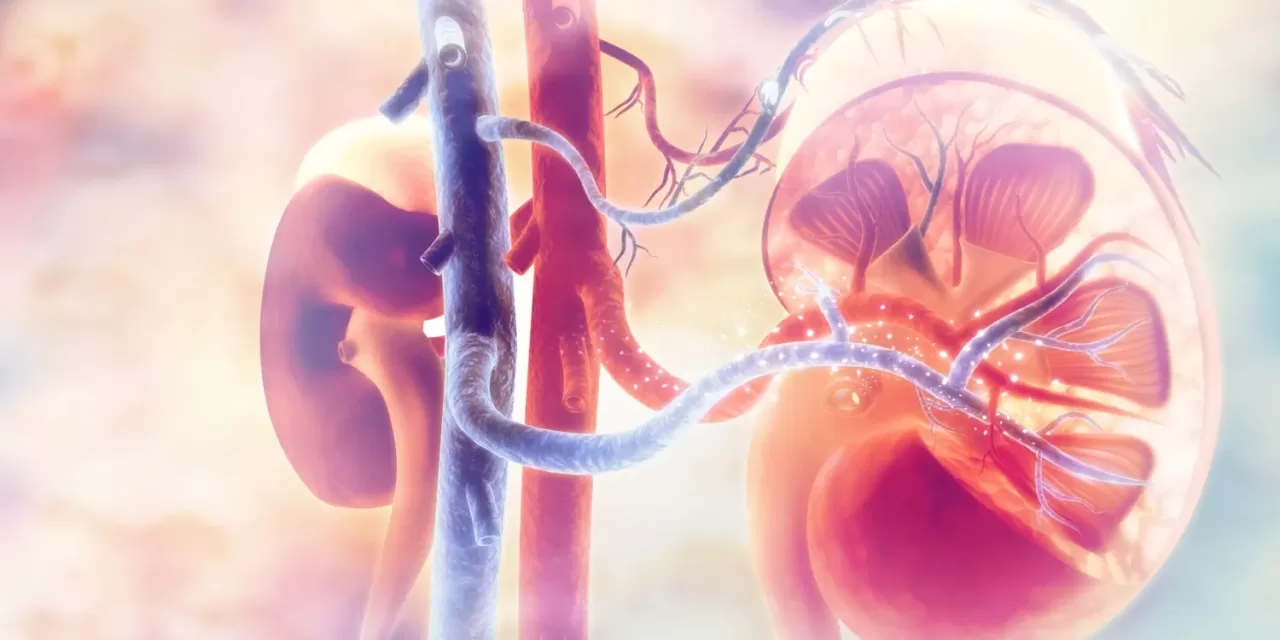
To understand how childbirth can lead to sudden kidney failure, it helps to view the kidneys as the body’s primary filtration plant. During pregnancy and delivery, a massive shift occurs in blood volume and pressure. If that system is disrupted, the kidneys can rapidly lose function.
Medical experts note that while pregnancy-related acute kidney injury (PRAKI) is rare, it carries high risks.
PRAKI Diagnostic Focus: What to Watch Post-Childbirth
├── Reduced or absent urine output
├── Sudden swelling in the legs, ankles, or face
├── Unexplained fatigue, nausea, or confusion
└── Jaundice (yellowing of the eyes or skin)
Independent nephrologists emphasize that public anxiety must be met with clear clinical context. “Infection or unsterile conditions are often the first suspicion, but they are far from the only cause,” explained Dr. Santosh Khajotia, a nephrologist not involved in the Bikaner cases.
“Postpartum hemorrhage—or excessive bleeding during or after delivery—is a major global driver of kidney failure,” Dr. Khajotia noted. “When a patient suffers heavy blood loss, especially if they are already severely anemic, the blood pressure drops catastrophically. This starves vital organs like the liver and kidneys of oxygen, causing them to go into shock and fail.”
Data published in the Indian Journal of Nephrology underscores this vulnerability. In India, maternal sepsis (severe infection) accounts for roughly 59% of PRAKI cases. The remaining cases are largely driven by pre-eclampsia/eclampsia (pregnancy-induced high blood pressure) and severe postpartum hemorrhage. Encouragingly, data shows that approximately two-thirds of patients who survive the acute phase of PRAKI recover their baseline kidney function by 12 weeks postpartum, provided they receive timely dialysis support.
State Under Scrutiny: The Shadow of Kota
The Bikaner incident has triggered intense public concern across Rajasthan, coming just weeks after a separate maternal health crisis in Kota, where five women died following C-section surgeries.
Health Minister Khimsar, however, strongly cautioned against linking the two situations. “The cases in Bikaner are clinically distinct and occurred under entirely different circumstances than the tragedy in Kota,” Khimsar stated during a press briefing.
| Feature | Kota Incident (May 2026) | Bikaner Incident (Current) |
| Primary Outcome | 5 Maternal Deaths | 5 Patients Critical (On Dialysis) |
| Onset of Symptoms | Rapid (8–12 hours post-surgery) | Delayed (10–15 days post-delivery) |
| Suspected Trigger | Substandard/Counterfeit Oxytocin injections | Under Investigation (Infection, Hemorrhage, or Drug Quality) |
| Delivery Method | Exclusively C-Section | Mixed (2 C-Sections, 3 Normal Deliveries) |
The Kota investigation focused heavily on supply chain contamination, revealing that batches of oxytocin—a hormone given to stimulate uterine contractions and control bleeding—lacked necessary active components. In Bikaner, the delayed 10-to-15-day onset points toward a slow-developing infection or unresolved postpartum complications rather than an acute surgical toxicity.
Despite these recent setbacks, official data from the Ministry of Health and Family Welfare shows that Rajasthan has made progress in maternal safety. The state’s Maternal Mortality Ratio (MMR) dropped from 141 per 100,000 live births (SRS 2017–19) to 113 per 100,000 live births (SRS 2018–20). However, the state continues to lag behind India’s national average of 97 and faces an uphill battle to meet the United Nations Sustainable Development Goal (SDG) target of fewer than 70 deaths per 100,000 live births by 2030.
High-Level Mobilization and Next Steps
In response to the cluster, Principal Secretary Gayatri Rathore and Drugs Controller T. Shubhamangala convened an emergency meeting at Swasthya Bhawan in Jaipur.
The state government has deployed a specialized investigative team from Jodhpur to Bikaner to conduct a thorough audit. Investigators are currently gathering batches of all medications, anesthetics, and IV fluids administered to the five women. Concurrently, sterilization samples from the labor rooms and advanced diagnostic checks on the surgical wards are being performed.
“As of today, we have no definitive evidence linking specific pharmaceuticals to these kidney failure cases,” stated Dr. T. Shubhamangala. “However, as a safety measure, we are running full chemical and microbial analyses on all relevant drug samples.”
The government is also considering a policy shift toward hiring independent, third-party medical auditing agencies to conduct unannounced infection-control inspections across all state-run public hospitals.
Limitations in Data and Patient Communication
Public health researchers point out that analyzing PRAKI clusters is notoriously difficult due to data gaps. In low-resource settings globally, maternal mortality associated with postpartum kidney failure has historically ranged from 6% to as high as 34%, depending on how quickly dialysis can be started. Furthermore, roughly 17% of women who experience severe pre-eclampsia go on to exhibit signs of kidney stress, making it difficult to separate pre-existing maternal risk factors from hospital-acquired complications.
Meanwhile, communication issues have strained relations at the hospital. Family members of the hospitalized women have gathered outside the PBM ICU, alleging a lack of transparency from hospital staff regarding daily prognosis updates.
Dr. Khimsar urged the public to avoid speculation while the state waits for lab results. “Initial findings do not point to explicit medical negligence, but we are leaving no stone unturned. If any lapses in sanitation, pharmaceutical quality, or protocol adherence are discovered, the responsible parties will face strict disciplinary action.”
For now, the priority remains keeping the five new mothers stable, with teams of nephrologists monitoring their daily lab panels in hopes that their kidneys show early signs of functional recovery.
Medical Disclaimer
This article is for informational purposes only and should not be considered medical advice. Always consult with qualified healthcare professionals before making any health-related decisions or changes to your treatment plan. The information presented here is based on current research and expert opinions, which may evolve as new evidence emerges.
References
Primary News & Field Sources
-
NDTV Report: “5 Women Develop Kidney Failure After Childbirth In Rajasthan, Probe Initiated.” Published June 9, 2026.