 0
0
 0
0
NEW DELHI — In a major development that could reshape the landscape of medical education in India, members of the Parliamentary Standing Committee on Health and Family Welfare recommended on Wednesday that the National Eligibility-cum-Entrance Test (Undergraduate), or NEET-UG, be conducted multiple times a year. The proposal aims to alleviate severe psychological pressure on aspiring medical students and prevent them from losing an entire academic year due to systemic vulnerabilities or administrative failures.
The high-level meeting, chaired by Samajwadi Party MP Ram Gopal Yadav, convened in the wake of the recent cancellation of the May 3, 2026, NEET-UG examination following widespread allegations of a paper leak. Senior officials, including National Testing Agency (NTA) Director General Abhishek Singh, Higher Education Secretary Vineet Joshi, and National Medical Commission (NMC) Chairman Abhijat C. Sheth, briefed the panel on the ongoing investigations and security measures. Government representatives reportedly assured the committee that the recommendation to host multiple annual exams will be officially examined.
Easing the Psychological Toll: The Case for Multiple Attempts
Currently, NEET-UG is conducted just once a year as a single, high-stakes pen-and-paper test. For more than two million applicants competing for approximately 110,000 MBBS seats, this “one-shot” system creates an intensely stressful environment. When an examination is compromised or missed due to personal emergencies, students are forced to wait a full calendar year to reattempt it.
“Members suggested that there should be multiple NEET examinations throughout the year, at least two or three,” a parliamentary source stated. “When a student misses out on an entire year of education due to somebody else’s fault, it has a very deep impact on them.”
Public health professionals and mental health experts have long pointed out the severe psychological burden associated with single-sitting competitive exams. Prolonged chronic stress, anxiety, and burnout are frequently documented among young adults preparing for NEET. Moving to a multi-semester or biannual testing format could spread out the performance pressure, much like the Joint Entrance Examination (JEE) Main for engineering, which transitioned to a multi-session format to offer students a safety net.
Systemic Accountability and the Shift to Digital Testing
A primary concern raised by the Member of Parliaments (MPs) during the session was the repetitive nature of administrative breaches. Lawmakers pointed out that similar paper leak controversies and grading irregularities surfaced in 2024 and have emerged again in 2026. The recurring failure has raised critical questions regarding organizational accountability and whether the existing punitive measures are strong enough to deter structural fraud.
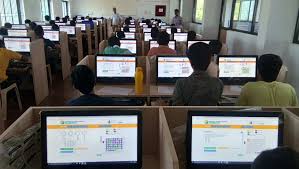
To counter security breaches inherent to physical question papers, government officials informed the panel that they are actively considering transitioning NEET-UG to a Computer-Based Testing (CBT) format, starting as early as the next examination cycle.
Current Single-Sitting Model vs. Proposed Reforms
┌───────────────────────────────────┐     ┌───────────────────────────────────┐
│       Current NEET-UG Model       │     │     Proposed Reform Blueprint     │
├───────────────────────────────────┤     ├───────────────────────────────────┤
│ • Held once a year                │     │ • Held 2 to 3 times a year        │
│ • Pen-and-paper (OMR sheet)       │     │ • Computer-Based Testing (CBT)    │
│ • Single point of failure         │     │ • Multiple operational windows    │
│ • Year-long delay if compromised  │     │ • Best score considered           │
└───────────────────────────────────┘     └───────────────────────────────────┘
Logistical Hurdles and Counterarguments
While the proposal has been warmly welcomed by student advocacy groups, implementing multiple annual sessions presents steep logistical and administrative hurdles.
Historically, the regulatory bodies have shown resistance to the multi-exam model. In 2023, the National Medical Commission publicly stated that holding NEET-UG twice a year was structurally unfeasible. The primary bottleneck lies in the counseling process. Unlike engineering admissions, medical seats across government and private colleges are tightly regulated and tied to a single, synchronous centralized counseling sequence. Conducting multiple exams would require a total overhaul of how seats are allocated, potentially stretching administrative timelines across the entire calendar year.
Furthermore, parliamentary panel members emphasized that a rapid transition to Computer-Based Testing could inadvertently disadvantage vulnerable populations.
“We must ensure a smooth and equitable transition, particularly for students coming from rural areas,” noted one committee member during the briefing.
Lawmakers expressed worries over unequal digital infrastructure, varying levels of computer literacy among rural applicants, and the absolute necessity of ensuring that digital examination papers remain available in all required regional languages.
Public Health and Clinical Implications
Beyond the immediate administrative adjustments, the consistency and security of the NEET-UG exam directly impact the long-term health of the nation’s medical infrastructure. A unstable examination timeline risks delaying the onboarding of fresh medical batches, creating localized deficits in the healthcare pipeline down the line.
Independent medical educators emphasize that a fairer, multi-opportunity testing environment could ultimately lead to a more resilient workforce. When entry pathways are defined by extreme, single-day testing stress, the system risks selecting individuals based on test-taking endurance rather than holistic aptitude for patient care and clinical clinical reasoning.
For the millions of health-conscious families and students currently preparing for the rescheduled examination on June 21, 2026, these parliamentary discussions mark a pivotal shift toward acknowledging the human element in medical licensing. If implemented carefully, the dual-pronged strategy of computerized delivery and multiple annual windows could protect student well-being while restoring institutional integrity to the bedrock of India’s healthcare system.
Reference Section
-
Primary News Source: ETHealthWorld (The Economic Times). “NEET-UG should be held multiple times a year to reduce burden on students, suggest Parliamentary panel members.” Published June 11, 2026.
Medical Disclaimer: This article is for informational purposes only and should not be considered medical advice. Always consult with qualified healthcare professionals before making any health-related decisions or changes to your treatment plan. The information presented here is based on current research and expert opinions, which may evolve as new evidence emerges.