 0
0
 0
0
April 5, 2026
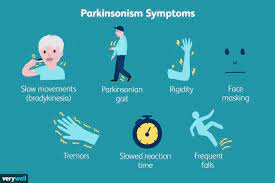
Parkinson’s disease (PD) has long been defined in the public imagination by its visible physical hallmarks: the rhythmic tremor of a hand, a shuffling gait, or the “mask-like” stillness of the face. However, a landmark shift in medical understanding is underway. New research highlighted in Medscape Medical News suggests that the disease’s diverse symptoms—ranging from chronic constipation and debilitating blood-pressure swings to sleep disruption and emotional apathy—may stem from dysfunction within a single, unified brain circuit. This discovery challenges the traditional view of PD as strictly a “movement disorder,” reframing it as a systemic neurological condition. For the estimated 10 million people living with PD worldwide, this shift promises earlier diagnosis, more holistic treatment strategies, and a significant improvement in overall quality of life.
What Parkinson’s Disease Is—and Why It Matters
At its core, Parkinson’s disease is a progressive neurodegenerative disorder. It is primarily characterized by the loss of dopamine-producing neurons in the substantia nigra, a critical region of the brain. Dopamine acts as a chemical messenger that regulates smooth, coordinated muscle activity. As these neurons diminish, the hallmark motor symptoms emerge:
-
Resting tremors (shaking)
-
Bradykinesia (extreme slowness of movement)
-
Rigidity (muscle stiffness)
-
Postural instability (balance and gait problems)
Globally, PD stands as the second most common neurodegenerative disease, trailing only Alzheimer’s. It affects approximately 1% of adults over the age of 60. While current therapies can manage symptoms, they cannot yet stop or reverse the underlying neuronal loss.
For decades, both clinicians and the public have focused almost exclusively on these motor signs. Yet, the lived experience of patients often tells a different story. Experts have long observed that “non-motor” symptoms frequently appear years—sometimes even a decade—before a patient ever develops a tremor.
Beyond Tremor: The Non-Motor Landscape
The “invisible” symptoms of Parkinson’s are often the most burdensome for patients, yet they are frequently overlooked in standard clinical settings. These non-motor manifestations include:
-
Sleep Disturbances: Insomnia, restless-leg sensations, and REM-sleep behavior disorder (RBD), where individuals physically act out vivid or violent dreams.
-
Autonomic Dysfunction: This includes gastrointestinal issues like severe constipation, urinary urgency, and orthostatic hypotension (a sudden drop in blood pressure upon standing that causes dizziness).
-
Cognitive and Mood Changes: Depression, anxiety, and apathy (a lack of motivation) are common. In later stages, patients may experience memory impairment or dementia.
The World Health Organization (WHO) emphasizes that these complications often impact a patient’s quality of life more severely than the tremor itself. A 2023 WHO report underscored that PD is a “degenerative condition of the brain” with broad systemic reach, necessitating a “whole-person” approach to care rather than just “whole-body-movement” management.
New Research: A Single Circuit, Many Symptoms
In early 2026, research presented via Medscape introduced a compelling new theory: many of these seemingly unrelated symptoms may trace back to a single dysfunctional brain circuit located in the motor cortex.
Historically, researchers believed that motor and non-motor symptoms were controlled by entirely separate brain networks. The new model suggests that a singular circuit abnormality may simultaneously disrupt movement, attention, and even autonomic regulation.
“If we can confirm that one circuit is the primary driver for such a wide array of symptoms, it completely changes the roadmap for drug development,” notes the Medscape report.
The implication is profound: treatments that normalize this shared circuit—such as targeted dopaminergic therapies or advanced neuromodulation—could potentially treat the tremor and the depression, or the stiffness and the sleep issues, simultaneously. However, researchers caution that because existing dopamine therapies only have modest effects on non-motor symptoms, other neurotransmitters like serotonin and acetylcholine likely play supporting roles in this complex circuit.
Expert Perspective: The “More Than Movement” View
Dr. Anwar Ahmed, a neurologist and movement-disorder specialist not involved in the latest study, believes this broader perspective is long overdue.
“In clinic, patients often tell very different stories from the tremor they show on the exam,” Dr. Ahmed explained. “They talk about sleep that’s never refreshing, constipation that’s been going on for years, or just feeling emotionally flat. Those aren’t footnotes to PD—they’re integral to it.”
Dr. Marta Biundo, a prominent movement-disorder researcher, describes PD as a “systemic disorder.” This is due to “proteinopathy”—the abnormal buildup of a protein called $\alpha$-synuclein. This protein doesn’t just cluster in the brain; it is found in the nerves of the gut, heart, and skin. This explains why a patient might visit a gastroenterologist for years for digestive issues before ever seeing a neurologist for a tremor.
Implications for Patients and Clinicians
Reframing PD as a systemic condition has immediate practical applications:
-
Earlier Recognition: Recognizing “prodromal” (early) signs like loss of smell or REM-sleep behavior disorder can lead to earlier diagnosis and participation in clinical trials aimed at slowing progression.
-
Holistic Treatment: Modern care now involves screening for mood and sleep at every visit, leading to adjustments in medication and physical therapy that address the patient’s most pressing daily struggles.
-
Multidisciplinary Care: Managing the “bigger picture” requires a team. This often includes neurologists, physiotherapists, speech-language pathologists, and mental health professionals working in tandem.
Limitations and the Path Forward
While the “single circuit” model is a significant step forward, it is not without caveats. Most current data stems from small-scale neuroimaging and electrophysiology studies. The exact “nodes” of this circuit are not yet fully mapped, and PD remains a highly variable disease.
Furthermore, critics of a “circuit-only” focus argue that it may overshadow other vital factors. Genetics, environmental toxins, and systemic inflammation all play roles in how the disease manifests. More longitudinal research is required to see if therapies targeting this specific circuit are safe and effective for the diverse global population of PD patients.
Practical Takeaways for the Public
-
Don’t Ignore the “Invisible”: If you or a loved one experiences persistent changes in mood, sleep (acting out dreams), or bowel habits, consult a doctor—especially if there is a family history of Parkinson’s.
-
Seek a Specialist: If possible, see a “Movement Disorder Specialist.” These are neurologists with extra training specifically in the nuances of Parkinson’s.
-
Prioritize Total Health: Research consistently shows that vigorous exercise, social engagement, and proper sleep hygiene are among the best tools for slowing functional decline.
Medical Disclaimer: This article is for informational purposes only and should not be considered medical advice. Always consult with qualified healthcare professionals before making any health-related decisions or changes to your treatment plan. The information presented here is based on current research and expert opinions, which may evolve as new evidence emerges.
References
Study Citations & News Sources:
-
Medscape Medical News. “Is Parkinson’s Disease More Than a Movement Disorder?” Published April 3, 2026. [Reference Link: medscape.com/2026a1000a8x]