 0
0
 0
0
TEXAS — The U.S. Department of Agriculture (USDA) confirmed three new cases of New World screwworm, bringing the total number of domestic infections to 15. This development marks the first domestic outbreak of the destructive tissue-consuming parasite in the United States in over sixty years. Localized primarily within livestock populations in Texas, state and federal agricultural officials have mobilized containment strategies to prevent further spread across the American Southwest.
Outbreak Escalates Across South Texas
The latest confirmed cases include one lamb in Crockett County and two calves in Edwards County, Texas, all testing positive within a 24-hour window. This update comes approximately three weeks after the initial detection of the outbreak on June 3, 2026, when a three-week-old calf in Zavala County was confirmed to be infected.
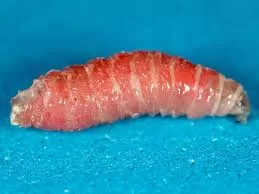
The New World screwworm fly (Cochliomyia hominivorax) is an obligate parasite, meaning it requires a living host to complete its development. The insect causes a dangerous condition known as myiasis—an infestation of maggots in live tissue.
Unlike typical houseflies or blowflies that feed strictly on dead or decaying organic matter, female screwworm flies seek out open wounds on warm-blooded animals. They lay batches of eggs along the margins of injuries as small as a tick bite or a branding mark. Once hatched, the larvae immediately begin burrowing into and consuming the living muscle and skin tissue of the host.
Expert Perspectives: Severe Pain and Early Intervention
Medical and veterinary experts stress that the primary concern is the aggressive feeding behavior of the fly’s larval stage.
“What we’re concerned about is the maggot stage, or the larval stage of the New World screwworm fly. It needs to live inside a living organism, such as humans, cattle, dogs, cats or others,” explained Cassandra Olds, an assistant professor and livestock entomologist at Kansas State University.
The physical toll on infected hosts is severe. Because the larvae slice into living flesh using specialized mouth hooks, the experience is highly distressing for animals.
“Often we’ll see that animals will lick or rub the area because it’s quite painful,” Olds noted. “They can often sequester themselves because they feel so miserable. It is incredibly painful.”
Despite the rising case numbers, state agricultural leaders maintain that emergency infrastructure is operating effectively. Justin Smith, the Kansas Animal Health Commissioner, expressed confidence in current regional protocols:
“While this new confirmed case in Texas is a serious concern, we have been preparing for this scenario for over a year, and we have confidence in the response plan that is in place.”
A Decades-Old Containment Line is Breached
The emergence of these 15 cases represents a significant biological breach. During the mid-20th century, the United States successfully eradicated the pest using the Sterile Insect Technique (SIT)—a method where millions of male flies are sterilized via radiation and released into the wild to mate with females, resulting in unviable eggs. This strategy successfully pushed the parasite down through Mexico and into a permanent biological barrier at the Darién Gap in Panama.
However, since 2023, an extensive outbreak has steadily migrated northward through Central America. The international scope of the current surge is substantial:
-
Animal Cases: Over 185,000 cumulative cases across Central America and Mexico.
-
Human Cases: More than 2,100 human infestations documented outside the U.S.
-
Previous U.S. Encounters: In August 2025, an isolated case was diagnosed in an international traveler returning to the U.S. from El Salvador. However, the current Texas cases represent the first locally acquired, multiplying population in decades.
Veterinary historians point to the 2016 outbreak in the Florida Keys as a precedent for the speed of transmission. During that incident, the parasite infested the endangered Key deer population, killing approximately 15% of the herd within a matter of months before aggressive multi-agency intervention successfully eradicated the pest.
Assessing the Public Health Risk
The Centers for Disease Control and Prevention (CDC) emphasized that the immediate risk to the general public remains low. Human infestations are rare and typically confined to individuals living in close proximity to heavily infected livestock or those with poor wound hygiene.
If a human infestation does occur, the clinical progression can be serious. If left untreated, larvae can burrow deep into tissues, leading to secondary bacterial infections, extensive structural tissue damage, sepsis, and potential mortality.
Core Symptoms to Monitor
According to public health guidelines, individuals living in or traveling through affected agricultural zones should monitor humans and domestic animals for:
-
Unexplained, painful wounds or lesions that fail to heal naturally.
-
A distinct, foul-smelling odor or unusual bleeding coming from an injury site.
-
Visible larval movement or the sensation of movement beneath the skin, or within the nose, mouth, eyes, or ears.
Clinical Treatment Protocols
Human Medical Interventions
For human patients, the primary treatment is debridement—the meticulous surgical removal of every individual larva and egg from the tissue. Medical protocol requires clinicians to perform a thorough physical exploration of the wound channel, followed by a secondary evaluation 24 to 48 hours later to ensure no microscopic larvae remain. Supplemental wound care, pain management, and broad-spectrum antibiotics are administered to manage secondary bacterial entry.
Domestic Animal Options
Companion animals like dogs and cats can be treated effectively using rapid-acting veterinary pharmaceuticals:
| Treatment Type | Active Compounds | Clinical Efficacy Timeline |
| Oral Fast-Acting | Nitenpyram | Induces larval expulsion within 6 hours of administration. |
| Oral Systemic | Lotilaner | Demonstrates 100% larval mortality within 24 hours. |
| Combination Therapy | Spinosad + Milbemycin | Highly effective for automated larval expulsion in canines. |
Regional Containment and Prevention Strategies
The USDA, alongside the Texas Animal Health Commission (TAHC), has deployed a multi-tiered containment strategy. This includes strict animal movement controls around the affected counties, enhanced field surveillance, and the immediate deployment of sterile male fly releases to disrupt the local mating cycle.
State agricultural departments are urging livestock producers and pet owners to take proactive defensive steps to protect vulnerable wounds:
-
Wound Hygiene: Keep all open wounds clean, treated with antiseptic, and securely bandaged.
-
Protective Clothing: When working near livestock in affected zones, wear long sleeves, long pants, and hats to limit exposed skin.
-
Repellents: Utilize EPA-registered insect repellents containing DEET or picaridin, and treat outdoor gear with 0.5% permethrin.
-
Livestock Inspection: Inspect cattle, sheep, and horses daily for signs of fresh wounds, particularly newborn animals around the umbilical area.
Balanced Perspective: Vigilance, Not Panic
While the economic and ecological stakes are high—given that the livestock and wildlife hunting industries contribute billions of dollars annually to the Texas economy—officials caution against knee-jerk actions. Prophylactic or preventative chemical treatments on uninfected herds are strongly discouraged by state veterinarians.
“We want to stay vigilant, but not panic,” Dr. Olds emphasized. “We are just as safe as we were three weeks ago.”
Agricultural departments in neighboring states, such as Kansas and California, have confirmed that their regional risks remain low, though they have initiated active surveillance monitoring out of an abundance of caution.
Reporting Procedures
Early detection is critical to stopping the geographic expansion of the parasite.
-
Livestock & Domestic Animals: If you observe maggots within a living wound on an animal, do not attempt to clean it completely before notifying authorities. Collect a sample of the larvae in alcohol if possible, and contact state veterinary channels immediately.
-
Human Suspected Cases: Healthcare providers who suspect a human screwworm infestation must report the case immediately to their local or state public health department.
Emergency Contact Information
-
Texas Animal Health Commission: 1-800-550-8242
-
USDA Veterinary Services (Texas Office): 1-512-383-2400
-
Official Bulletins: Real-time updates and maps are hosted via the USDA’s Animal and Plant Health Inspection Service at
screwworm.gov.
Medical Disclaimer
Medical Disclaimer: This article is for informational purposes only and should not be considered medical advice. Always consult with qualified healthcare professionals before making any health-related decisions or changes to your treatment plan. The information presented here is based on current research and expert opinions, which may evolve as new evidence emerges.
References
- https://www.reuters.com/business/healthcare-pharmaceuticals/usda-reports-three-new-cases-screwworm-bringing-total-15-2026-06-22/