 0
0
 0
0
ISLAMABAD, Pakistan – On World Tuberculosis Day, March 24, 2026, the Government of Pakistan and the World Health Organization (WHO) launched a high-priority joint initiative to combat the escalating tuberculosis (TB) crisis in the country. With approximately 140 people dying daily from the disease in Pakistan, health officials are emphasizing a critical message for the public: TB is entirely curable, and diagnostic services are now available free of charge at over 2,000 facilities nationwide.
The renewed commitment, announced by the Ministry of National Health Services, Regulations, and Coordination, aims to address a staggering national burden. Pakistan currently accounts for 73% of all TB cases in the Eastern Mediterranean Region and ranks as the fifth most affected country globally. Each year, more than 669,000 Pakistanis contract the respiratory infection, leading to roughly 51,000 preventable deaths annually.
The Silent Crisis: Understanding the Numbers
Tuberculosis is a bacterial infection, primarily caused by Mycobacterium tuberculosis, which most commonly affects the lungs. While global health efforts have made strides in recent decades, Pakistan faces a persistent epidemic.
According to the latest data released by the Ministry of Health:
-
Daily Toll: 140 deaths and 1,800 new infections occur every 24 hours.
-
National Impact: One person dies from TB in Pakistan every 10 minutes.
-
Treatment Success: Despite the high infection rate, Pakistan boasts a 95% treatment success rate for those who complete their medical regimen.
“These deaths are preventable because tuberculosis is curable,” stated Dr. Luo Dapeng, WHO Representative in Pakistan. “Ending tuberculosis is not just aspirational; it is achievable. We must intensify early detection for all, no matter where they live.”
Expanding the Frontline: 2,000+ Free Treatment Centers
A cornerstone of the 2026 strategy is the massive expansion of the “GeneXpert” diagnostic network. There are now 562 sites across the country utilizing rapid molecular diagnostics—a WHO-recommended technology that can identify TB DNA and resistance to antibiotics in hours rather than weeks.
Federal Health Minister Syed Mustafa Kamal highlighted that despite global economic pressures, the government is prioritizing “patient-centered” domestic financing. This includes supporting 2,031 health facilities—spanning both the public and private sectors—where citizens can receive testing and medication at no cost.
“The government is fully committed to ending TB through coordinated multisectoral actions,” Minister Kamal said during the Islamabad briefing. “We are moving toward sustainable domestic financing and a patient-centered approach that includes the participation of communities.”
Progress and the “Missing” Patients
While the statistics remain sobering, the trajectory of TB care in Pakistan shows significant improvement. In 2015, the country reached roughly 63% of the affected population (331,800 people). By 2024, that number climbed to 74%, with over 497,000 people notified and placed on treatment.
However, health experts remain concerned about the “missing millions”—individuals who have TB but remain undiagnosed due to social stigma, lack of awareness, or geographic isolation. When a patient goes undiagnosed, they not only risk their own life but may unknowingly spread the bacteria to family members and colleagues through coughing or sneezing.
Addressing the Stigma and Social Barriers
Medical professionals note that TB often carries a heavy social burden in Pakistan. Patients may hide symptoms for fear of being ostracized by their communities or losing employment.
To combat this, the WHO and the Global Fund to Fight AIDS, Tuberculosis and Malaria are working to integrate TB services into broader healthcare structures. This includes merging TB screening with maternal, newborn, and child health care, as well as mental health services. This “integrated approach” helps normalize the diagnosis and ensures that vulnerable populations—particularly women and children—are screened during routine check-ups.
What This Means for the Public
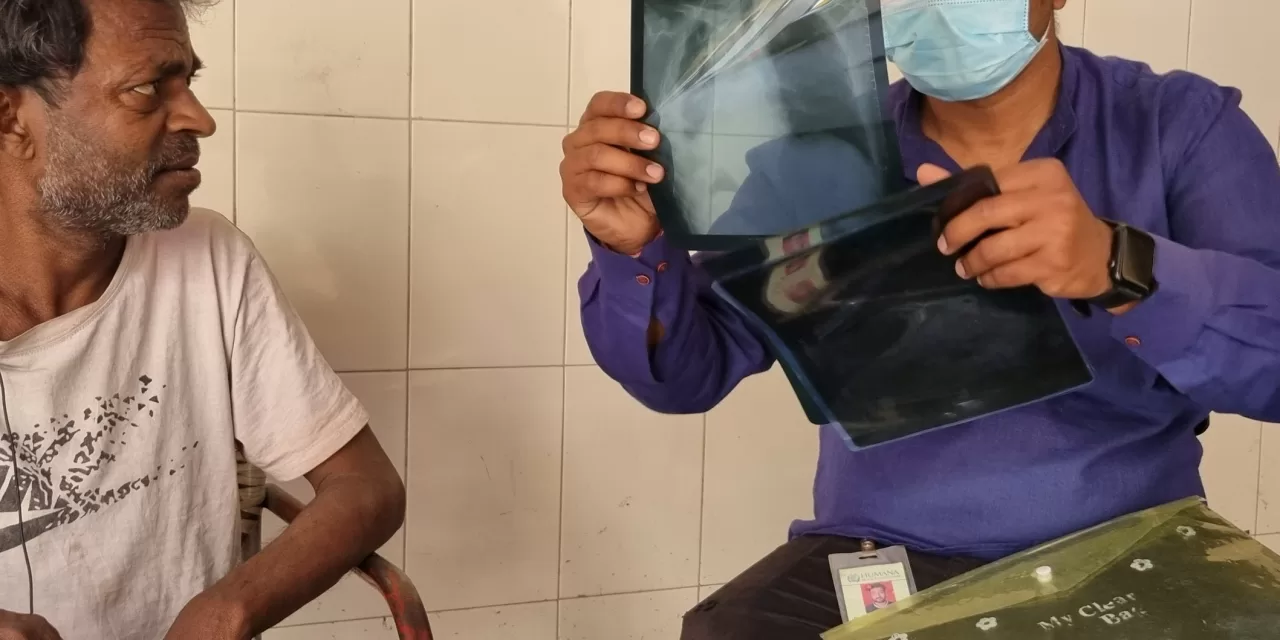
Health authorities are urging anyone experiencing a persistent cough (lasting more than two weeks), unexplained weight loss, night sweats, or chest pain to seek testing immediately.
“The 95% success rate in Pakistan proves that the medicine works,” says Dr. Uzma Khan, a tuberculosis specialist not affiliated with the government report. “The challenge isn’t the science; it’s the timing. When we catch TB early, we prevent lung scarring and stop the chain of transmission in the household.”
Limitations and Future Challenges
Despite the optimism of World TB Day, significant hurdles remain. Drug-resistant TB (MDR-TB) continues to be a threat, requiring longer, more expensive, and more toxic treatment courses. Furthermore, the integration of private practitioners into the national reporting system remains a work in progress; many patients seek care from local clinics that may not always follow standardized WHO treatment protocols.
The 2026 theme, “Yes, We Can End TB – Led by Countries, Powered by People,” serves as a call to action for local leaders to ensure that the 2,000+ free clinics are not just available, but accessible and welcoming to all citizens.
Medical Disclaimer
This article is for informational purposes only and should not be considered medical advice. Always consult with qualified healthcare professionals before making any health-related decisions or changes to your treatment plan. The information presented here is based on current research and expert opinions, which may evolve as new evidence emerges.
References
Institutional Sources:
-
World Health Organization (WHO) Pakistan: Press Release, “World TB Day 2026: Joint Action to End TB in Pakistan,” March 24, 2026.