 0
0
 0
0
CHICAGO — June 13, 2026 — More than one in four adolescent girls and young women carry at least one significant risk factor for polyendocrine metabolic ovarian syndrome (PMOS), the condition formerly known as polycystic ovary syndrome (PCOS), according to groundbreaking research presented at a major medical conference this week. The findings underscore a looming public health crisis, revealing that millions of young women globally face heightened risks for type 2 diabetes, cardiovascular disease, and infertility without early clinical intervention.
The study establishes that approximately 25% to 28% of teens and young women exhibit early indicators of the disorder, such as insulin resistance, central obesity, a family history of the condition, or signs of early puberty. This prevalence is substantially higher than previous estimates, signaling to healthcare providers that the metabolic and hormonal groundwork of PMOS is laid much earlier in life than previously recognized.
Understanding the Landmark Name Change: From PCOS to PMOS
The release of this data coincides with a historic paradigm shift in women’s health. In May 2026, global scientific organizations formally retired the term “polycystic ovary syndrome” in favor of polyendocrine metabolic ovarian syndrome (PMOS). The renaming concludes a 14-year international collaboration involving more than 50 patient advocacy and professional groups, including the Endocrine Society.
Medical experts have long argued that the old name was highly misleading, driving diagnostic delays, fragmented clinical care, and unnecessary patient anxiety.
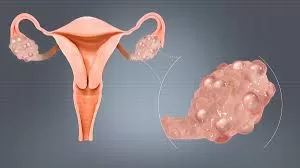
“What we now know is that there is actually no increase in abnormal cysts on the ovary, and the diverse features of the condition were often unappreciated,” explained Professor Helena Teede, an endocrinologist at Monash Health and Director of Monash University’s Monash Centre for Health Research & Implementation, who led the global consensus process.
By framing the condition purely as an ovarian issue, the old terminology obscured its true nature: a complex endocrine and metabolic disorder. PMOS is characterized by systemic hormonal fluctuations that profoundly impact metabolic health, cardiovascular risk, psychological well-being, skin, and weight management, alongside the reproductive system.
Global Scale and the Vulnerability of Young Women
PMOS is the most common endocrine disorder among women of reproductive age, affecting one in eight women—approximately 170 million people—globally. While geographic data shows baseline prevalence rates of 4% to 12% in the United States and 6.5% to 8% in Europe, recent regional data points to a staggering burden in South Asia. For instance, a landmark 2024 study conducted in Chennai, India, published in the Obstetrics and Gynaecology Forum, found that 21% of school and college-aged girls were already affected by the condition.
The latest data presented in Chicago suggests that these numbers will continue to rise as baseline risk factors climb. Public health models project that among all U.S. women by 2050, type 2 diabetes rates will surge from 14.9% to 25.3%, and obesity rates will climb from 43.9% to 61.2%. Because these metabolic conditions share an intertwined biological pathway with PMOS, experts warn that the population of at-risk young women will inevitably compound.
Clinical Characteristics: Tracking the Red Flags
In individuals with PMOS, the endocrine system produces higher-than-normal levels of androgens (hormones responsible for male physical traits, though present in all individuals). This androgen excess is heavily driven by insulin resistance, a condition where the body’s cells do not respond properly to insulin. In response, the pancreas secretes excess insulin, which inadvertently signals the ovaries to produce even more androgens.
To help clinicians and families identify early warning signs, the primary risk factors and their clinical descriptions are outlined below:
| Risk Factor | Clinical Description and Impact |
| Insulin Resistance | Affects the vast majority of individuals with PMOS; serves as the primary driver of androgen excess. |
| Obesity | Particularly central adiposity (fat storage around the abdomen); significantly exacerbates symptom severity. |
| Early Puberty | Signs of adrenarche—such as underarm or pubic hair development before age 8—are associated with elevated risk later in life. |
| Family History | Having a mother or sister diagnosed with PMOS significantly increases an individual’s genetic likelihood. |
| Genetic Predisposition | Multiple polygenic variations are under continuous investigation to identify definitive diagnostic markers. |
Long-Term Health Implications: Beyond the Ovaries
The implications of PMOS extend far beyond irregular menstrual cycles or cosmetic concerns like persistent acne and hirsutism (excess hair growth). The metabolic dysfunction inherent to PMOS carries severe cardiovascular risks.
Data shows that women diagnosed with PMOS face a 32% higher risk of developing cardiovascular disease compared to their peers. Crucially, this risk is not entirely dependent on weight; a striking sub-analysis revealed that women with PMOS who maintained a body mass index (BMI) under 25 and did not have type 2 diabetes still experienced a 40% higher risk of cardiovascular events than those without the disorder.
Furthermore, individuals with PMOS face markedly higher lifetime risks for:
-
Type 2 diabetes and chronic hypertension
-
Endometrial cancer (driven by chronic anovulation, or the lack of regular ovulation)
-
Infertility and severe pregnancy complications
-
Metabolic dysfunction-associated steatotic liver disease (MASLD)
-
Obstructive sleep apnea
-
Clinical depression, generalized anxiety, and eating disorders
Compounding these findings, a world-first study published by the Monash Centre for Health Research & Implementation discovered that poor sleep behaviors were detectable as early as age 8 in girls who later developed PMOS, suggesting that childhood sleep disturbances may serve as an early, overlooked indicator of endocrine vulnerability.
Diagnostic Barriers and the Push for Early Intervention
Despite its high prevalence, diagnosing PMOS remains a notorious clinical challenge. Because its early symptoms closely mimic thyroid disorders, adrenal conditions, or standard pubertal changes, many young women spend years searching for answers.
“This overlap causes frequent misdiagnosis, leaving women untreated during a critical window when early intervention could have made a real difference,” notes Dr. Reji Mohan, an associate professor in reproductive medicine at the Government Medical College, Thiruvananthapuram, who was not involved in the latest study.
Dr. Mohan emphasizes that screening should ideally begin around age 10 for girls displaying early indicators such as persistent acne, unexplained weight gain, or irregular periods. “Parents and educators often dismiss these as typical teenage issues, but they can signal an underlying hormonal imbalance that requires attention.”
To combat this, modern medicine is gradually shifting toward integrated, multi-specialty care. A growing number of institutions are establishing dedicated multidisciplinary clinics where gynecologists, endocrinologists, registered dietitians, dermatologists, and mental health professionals collaborate to treat the patient holistically, rather than forcing them to navigate disconnected medical silos.
Study Limitations and Future Outlook
While the newly presented study offers vital statistical clarity, researchers emphasize several key limitations. Notably, standardized diagnostic criteria for PMOS in adolescents remain fluid and undefined. Because normal pubertal development frequently involves irregular cycles, acne, and transient insulin resistance, separating normal development from early-stage pathology is exceptionally difficult.
Additionally, because the exact genetic and environmental root causes of PMOS remain unknown, current medical strategies are limited to symptom management and risk reduction rather than a definitive cure. Further large-scale longitudinal research is urgently required to identify specific genetic markers and establish clear, universal diagnostic guidelines for adolescents.
What This Means for Readers and Families
For families and health-conscious consumers, these findings are a call to proactive awareness rather than panic. PMOS is highly manageable, and its most severe long-term complications can often be mitigated if addressed early.
Parents are encouraged to monitor young daughters for persistent clinical signs starting around age 10. If a child displays early puberty (before age 8), severe acne, unmanageable weight changes, or highly irregular cycles a few years post-menarche, a consultation with a pediatric endocrinologist or adolescent gynecologist is warranted.
At the public health level, lifestyle modifications remain the foundational first line of defense. Clinical data consistently shows that regular, moderate physical activity—such as walking, cycling, or jogging for a minimum of 30 minutes a day, at least five days a week—significantly improves insulin sensitivity and helps stabilize endocrine markers.
The medical community has initiated a three-year international education campaign to smoothly transition healthcare systems to the new PMOS nomenclature. The terminology will be fully integrated into clinical practice with the release of the 2028 International Evidence-Based Guideline update, ensuring that the next generation of patients receives clearer, more comprehensive, and less stigmatized care.
Medical Disclaimer
Medical Disclaimer: This article is for informational purposes only and should not be considered medical advice. Always consult with qualified healthcare professionals before making any health-related decisions or changes to your treatment plan. The information presented here is based on current research and expert opinions, which may evolve as new evidence emerges.
References
Study and Institutional Sources
-
Medscape News: “One in Four Teen Girls and Young Women at Risk for PMOS.” Published June 13, 2026.