 0
0
 0
0
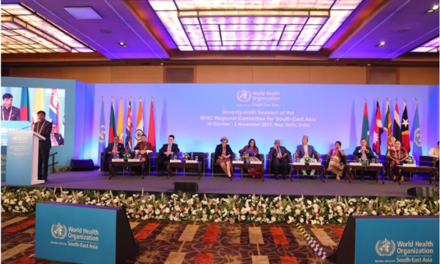
NEW DELHI – In a landmark moment for global public health, India’s grassroots nutrition network has reached an unprecedented scale. Union Minister for Women and Child Development, Annpurna Devi, announced this week that over 14 lakh Anganwadi centres are now providing essential life-services to nearly 8.9 crore beneficiaries.
The announcement, made during the launch of the 8th Poshan Pakhwada (Nutrition Fortnight), signals a strategic pivot in India’s fight against malnutrition. Running from April 9 to 23, 2026, the campaign has adopted a sophisticated scientific focus: “Maximizing Brain Development in the First Six Years of Life.” By linking nutrition directly to cognitive capital, the initiative seeks to transform the country’s health landscape from one of mere survival to one of thriving human potential.
A Digital Revolution at the Grassroots
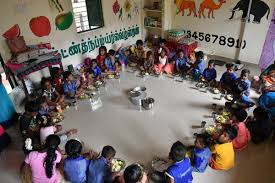
India’s Anganwadi system—the world’s largest early childhood care network—is no longer just a collection of rural outposts. Under the “Mission Saksham Anganwadi” and “Poshan 2.0” frameworks, the network has undergone a high-tech makeover.
Around 13 lakh “Anganwadi Didis” (workers and helpers) now utilize the Poshan Tracker app, a real-time monitoring tool that has brought transparency to a once-opaque system. Of the 8.9 crore registered beneficiaries—including pregnant women, lactating mothers, and adolescent girls—the app is currently tracking the growth parameters of over 6.44 crore children.
“The evolution of these centres is central to the vision of a ‘Viksit Bharat’ (Developed India),” stated Minister of State Savitri Thakur. To date, over 1,03,940 centres have been upgraded to “Saksham” status, equipped with:
-
LED screens for interactive learning.
-
Water filtration systems to combat water-borne growth stunting.
-
Poshan Vatikas (Nutrition Gardens) to provide fresh, hyper-local produce.
The “First 1,000 Days”: Why the Brain Cannot Wait
The 8th Poshan Pakhwada focuses on a critical biological window: the first 1,000 days of life. Scientific consensus indicates that over 85% of brain development occurs before the age of six.
“During this window, the brain forms neural connections at an explosive rate,” explains Dr. Rajesh Kumar, a pediatric nutritionist at AIIMS Delhi, who monitors national nutritional trends. “Nutrition isn’t just about weight; it’s about ‘brain wiring.’ Deficiencies in iron, protein, and DHA (omega-3 fatty acids) during these years can lead to irreversible deficits in IQ and socio-emotional health.”
The current campaign emphasizes a “Jan Andolan” (people’s movement) approach, encouraging families to move beyond simple caloric intake toward a diet rich in:
-
Proteins: Essential for cell repair and growth.
-
DHA: A vital fatty acid for structural brain development.
-
Micronutrients: Iron and folic acid to prevent the cognitive fog associated with anemia.
Measurable Gains and Persistent Hurdles
Data from the National Family Health Survey-5 (NFHS-5) previously painted a somber picture, with stunting (low height-for-age) affecting 35.5% of children. However, internal government data from late 2025 suggests the needle is moving.
Current Nutritional Trends (2025-2026 Estimates)
| Indicator | NFHS-5 (2019-21) | Poshan Tracker (Late 2025) |
| Stunting | 35.5% | 33.54% |
| Underweight | 32.1% | 14.41% |
| Wasting (Acute) | 19.3% | 5.03% |
While these figures show significant improvement in acute wasting, experts remain cautious. Dr. Priya Sharma, a public health specialist at the Indian Council of Medical Research (ICMR), notes that while the scale is impressive, the quality of intervention must remain consistent.
“The Anganwadi workers have boosted immunization coverage to nearly 90% in many blocks,” Dr. Sharma says. “But we must now integrate responsive parenting. Nutrition feeds the brain, but stimulation—talking, playing, and reading to a child—builds it.”
Bridging the Inequality Gap
Despite the national success, “nutrition inflation” and regional disparities remain a challenge. Tribal areas and Particularly Vulnerable Tribal Groups (PVTGs) still face stunting rates above 40%. Furthermore, with nearly 60-70% of children still suffering from some form of anemia, the mission is far from over.
Critics and policy analysts point to the immense strain on the 13 lakh frontline workers who handle vast caseloads. “Progress is real but uneven,” says Dr. Anjali Kumar, a child health expert at PGIMER Chandigarh. “To hit our Sustainable Development Goals (SDG) by 2030, we need a deeper focus on sanitation and protein-focused supplementation, particularly in high-burden states like Bihar and Madhya Pradesh.”
What This Means for Families
For the average citizen, the expansion of the Anganwadi network offers a vital safety net. The government has disbursed over ₹20,060 crore through Direct Benefit Transfers (DBT) under the PMMVY scheme to 4.26 crore beneficiaries, ensuring that financial constraints do not dictate a child’s developmental future.
Practical Steps for Parents and Caregivers:
-
Growth Monitoring: Visit your local Anganwadi monthly to chart your child’s weight-for-age and height-for-age.
-
Diverse Diets: Incorporate traditional “superfoods” like millets, eggs, and leafy greens into home-cooked meals.
-
The 1,000-Day Rule: Prioritize maternal nutrition during pregnancy, as the child’s brain development begins in the womb.
As India continues its massive nutrition push, the goal is clear: to ensure that a child’s zip code or socioeconomic status does not determine their cognitive ceiling. The “Saksham” (capable) Anganwadi is not just a building; it is the foundation of India’s future human capital.
References
https://www.indiatribune.com/anganwadi-centres-serving-nearly-89-crore-beneficiaries-minister
Medical Disclaimer: This article is for informational purposes only and should not be considered medical advice. Always consult with qualified healthcare professionals before making any health-related decisions or changes to your treatment plan. The information presented here is based on current research and expert opinions, which may evolve as new evidence emerges.