 0
0
 0
0
NEW DELHI — Following the World Health Organization’s (WHO) declaration on Sunday designating the escalating Ebola outbreak in the Democratic Republic of Congo (DRC) and Uganda as a Public Health Emergency of International Concern (PHEIC), the Indian Ministry of Health and Family Welfare moved swiftly to reassure citizens, confirming that no fresh case of Ebola virus disease has been reported in India since 2014. Health ministry officials emphasized that the country’s robust surveillance architecture is fully active and there is absolutely “no reason for panic” among the public.
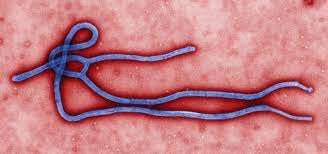
The WHO’s emergency declaration comes in response to a surge of more than 300 suspected infections and 88 fatalities in Central Africa. This specific outbreak is driven by the rare Bundibugyo strain of the virus—a variant that poses unique public health challenges because, unlike the more common Zaire strain, it currently has no approved vaccine or specific antiviral treatment.
While health authorities globally are on high alert, medical experts in India stress that the risk to the general domestic population remains low due to the nature of how the virus transmits and the extensive screening protocols already established at the country’s borders.
The Global Context: Why the WHO Declared an Emergency
The WHO’s decision to activate its highest alert level was prompted by a rapid rise in cases across Central Africa, primarily concentrated in the DRC’s Ituri Province. As of May 16, health authorities recorded 8 laboratory-confirmed cases, 246 suspected cases, and 80 suspected deaths within the DRC alone, alongside two confirmed cases in neighboring Uganda.
What makes this outbreak particularly concerning to global health body officials is the pathogen itself. The Bundibugyo strain has only caused two notable outbreaks in recorded history.
“While we have highly effective countermeasures like the Ervebo vaccine for the Zaire strain of Ebola, our therapeutic arsenal for the Bundibugyo variant is severely limited,” noted a spokesperson from the Africa Centres for Disease Control and Prevention. “Contingency efforts must rely strictly on rapid isolation, rigorous contact tracing, and supportive clinical care.”
Despite the emergency declaration, WHO Director-General Dr. Tedros Adhanom Ghebreyesus clarified that the outbreak does not fulfill the criteria for a fluid, fast-moving pandemic threat. The UN agency recommended that nations activate their national disaster management frameworks and implement cross-border health screenings, but explicitly advised against enforcing international travel or trade restrictions.
India’s Ebola-Free Status and Historical Precedent
India’s historical data reveals exceptional resilience against the virus. The country has never recorded a case of local, community-driven Ebola transmission. Its sole encounters with the virus date back to 2014 during the West Africa epidemic, which claimed over 11,000 lives globally.
During that period, an Indian national traveling back from Liberia was placed in isolation upon arrival. While the individual had successfully undergone treatment abroad and was certified clinically cured, routine regulatory testing discovered the virus persisting in his semen. He was kept in isolation until clearance protocol criteria were met, ensuring zero transmission into the community.
Ministry officials noted that the stringent protocols developed during that 2014 response remain the foundational blueprint for India’s current defense strategy.
Transmission Realities: Why Ebola Differs from COVID-19
To prevent unnecessary anxiety, public health experts are highlighting the sharp epidemiological differences between Ebola and respiratory pathogens like COVID-19 or influenza.
“Ebola is fundamentally different from respiratory infections that spread easily through routine droplet transmission or aerosolization,” explained Dr. Randeep Guleria, prominent pulmonologist and former Director of the All India Institute of Medical Sciences (AIIMS), New Delhi. “Ebola requires direct physical contact with infected bodily fluids—such as blood, vomit, or secretions—or contact with heavily contaminated materials like needles and bedding. Because it cannot transmit through the air, it is highly unlikely to trigger an uncontrolled pandemic.”
According to guidelines from the Centers for Disease Control and Prevention (CDC), individuals infected with Ebola are also not contagious during the incubation period. They can only transmit the virus after they begin showing overt symptoms, making symptom-based screening at borders an incredibly effective barrier.
Key Facts: Understanding Ebola (Bundibugyo Variant)
| Characteristic | Clinical Detail |
| Average Case Fatality Rate | Around 50% (historically ranging from 25% to 90% depending on care access) |
| Incubation Period | 2 to 21 days from initial exposure to symptom onset |
| Transmission Windows | Cannot transmit before symptoms appear; remains infectious as long as fluids carry the virus |
| Medical Countermeasures | No approved vaccines or specific targeted therapies exist for the Bundibugyo strain |
| Primary Diagnostics | Specialized RT-PCR assays, ELISA, and antigen-capture detection tests |
India’s Defensive Shield: Screening and Diagnostics
The National Centre for Disease Control (NCDC) in New Delhi is currently coordinating national monitoring efforts. India’s multi-layered preparedness framework incorporates border control, advanced diagnostics, and rapid-response infrastructure:
-
Point-of-Entry Screening: Thermal screening protocols are active at major international airports and seaports, specifically focusing on passengers arriving from or transiting through Central African nations.
-
Specialized Laboratory Network: India has designated two premier institutions equipped with the biosafety infrastructure required to handle high-consequence pathogens: the ICMR-National Institute of Virology (NIV) in Pune and the NCDC in Delhi. Both labs possess valid RT-PCR assays capable of identifying the Bundibugyo strain rapidly.
-
Integrated Surveillance: The Integrated Disease Surveillance Programme (IDSP) is tasked with tracking health data across states to catch any unusual clusters of hemorrhagic fever early.
-
Clinical Readiness: State governments have been directed to re-verify their designated isolation facilities, ensure adequate stockpiles of Personal Protective Equipment (PPE), and re-engage localized Rapid Response Teams.
Public Health Implications: What This Means for You
For the vast majority of people living in India, the current outbreak demands awareness rather than a change in daily routine. Public health bodies advise keeping the following practical points in mind:
-
Zero Everyday Risk: There is no risk of contracting Ebola through casual daily interactions, public transport, food, or water within India.
-
Travel Vigilance: Individuals traveling to affected regions in the DRC or Uganda should exercise strict hygiene precautions. Avoid contact with wildlife—particularly fruit bats and non-human primates—and steer clear of raw or undercooked bushmeat.
-
Healthcare Worker Readiness: Clinicians across India are urged to maintain standard infection-control precautions and take detailed travel histories for any patient presenting with acute fever, severe headache, or muscle pain.
-
Trust Verified Sources: In an era of rapid digital misinformation, citizens are advised to rely exclusively on official bulletins from the Ministry of Health and the WHO rather than unverified social media claims.
Limitations and Uncertainties in the Global Response
While India’s domestic readiness is robust, international health organizations acknowledge significant hurdles on the ground in Central Africa. The WHO has noted “substantial uncertainties” regarding the true geographic footprint of the current outbreak, citing logistical difficulties, remote terrain, and local security challenges in the DRC’s Ituri Province. These factors mean the outbreak could be larger than currently documented, which justifies the heightened global surveillance stance.
Nevertheless, health experts agree that India’s combination of diagnostic capability, historical experience, and transparent institutional communication places the country in a strong position to prevent the virus from establishing a foothold.
Medical Disclaimer
Medical Disclaimer: This article is for informational purposes only and should not be considered medical advice. Always consult with qualified healthcare professionals before making any health-related decisions or changes to your treatment plan. The information presented here is based on current research and expert opinions, which may evolve as new evidence emerges.
References
News & Institutional Reports
-
Times of India. (2026, May 17). “No fresh Ebola case in India since 2014: Govt.”