 0
0
 0
0
DHAKA, Bangladesh — Bangladesh is confronting one of its deadliest public health crises in recent history as a severe measles outbreak sweeps the nation, claiming the lives of 459 children since mid-March 2026. According to the latest data from the Directorate General of Health Services (DGHS), more than 57,000 children nationwide have developed measles-like symptoms. The crisis shows alarming signs of acceleration, with 1,517 new symptomatic cases and six child deaths recorded in a single 24-hour reporting period, forcing health authorities and international partners into an emergency response.
Inside the Numbers: A Rapidly Escalating Crisis
The current wave has put immense pressure on Bangladesh’s healthcare infrastructure. Of the 57,846 children exhibiting measles-like symptoms since the outbreak began, 7,767 have been laboratory-confirmed as measles cases.
A closer look at the data reveals the speed at which the virus is spreading:
-
Daily Surge: In the most recent 24-hour cycle, 1,274 children developed symptoms, and 243 cases were officially confirmed via laboratory testing.
-
Mortality Breakdown: The 459 deaths include 75 children with laboratory-confirmed measles and 384 who died while presenting clinical, measles-like symptoms. The six most recent deaths span multiple regions, including one confirmed case in Barishal and five symptomatic deaths across Dhaka, Sylhet, and Mymensingh.
-
Hospital Burden: Hospitalization logs show that 42,092 children have required inpatient care. While 37,744 have recovered and been discharged (a 73% recovery rate among hospitalized patients), approximately 4,350 children remain under medical supervision or face unfavorable clinical outcomes.
The Perfect Storm: Immunity Gaps and Vaccine Shortages
Public health experts point to a severe decline in routine immunization coverage as the primary catalyst for the epidemic. To achieve “herd immunity” and halt the transmission of a highly contagious respiratory virus like measles, international standards dictate that a population must maintain a vaccination coverage rate of 90% to 95%.
“Preventing highly contagious diseases like measles requires 90-95% vaccination coverage, but in many areas it has fallen below 70%,” explains Prof. Dr. Benazir Ahmed, a public health expert and former director of the DGHS. “As a result, hundreds of thousands of children remain unvaccinated and are at risk, fueling transmission among young children.”
Data from Bangladesh’s Expanded Program on Immunization (EPI) indicates that measles vaccine coverage dropped to between 56.2% and 57.1% in 2025—marking the lowest immunization metrics the country has seen in nearly a decade. Currently, national coverage sits at 85% for the first dose and drops to 82% for the second dose, leaving nearly a fifth of the pediatric population entirely unprotected.
| Factor behind the Surge | Direct Impact on Public Health |
| Vaccination Coverage Drop | 44% of children completely missed routine measles immunization in 2025. |
| Absence of Catch-up Campaigns | No proactive, special vaccination rounds allowed vulnerable cohorts to accumulate over 4–5 years. |
| Vaccine Procurement Issues | Delays in acquiring allocated funds stalled timely vaccine procurement. |
| Nutritional Vulnerability | Widespread childhood malnutrition severely compromised immune resilience. |
| Interrupted Supplementation | Only one national Vitamin A distribution round was successfully completed prior to the surge. |
Adding to the complexity, approximately one-third of the children affected in this wave are infants under nine months old. This demographic falls below the standard age threshold for routine first-dose measles immunization, leaving them entirely reliant on community herd immunity for protection.
Why This Outbreak is Proving So Deadly
Measles is inherently one of the most infectious pathogens known to medicine. It carries a basic reproduction number ($R_0$) of 12 to 18, meaning a single infected individual can transmit the virus to up to 18 susceptible people. The virus travels via respiratory droplets and can linger suspended in the air for up to two hours after an infected person has left the room.
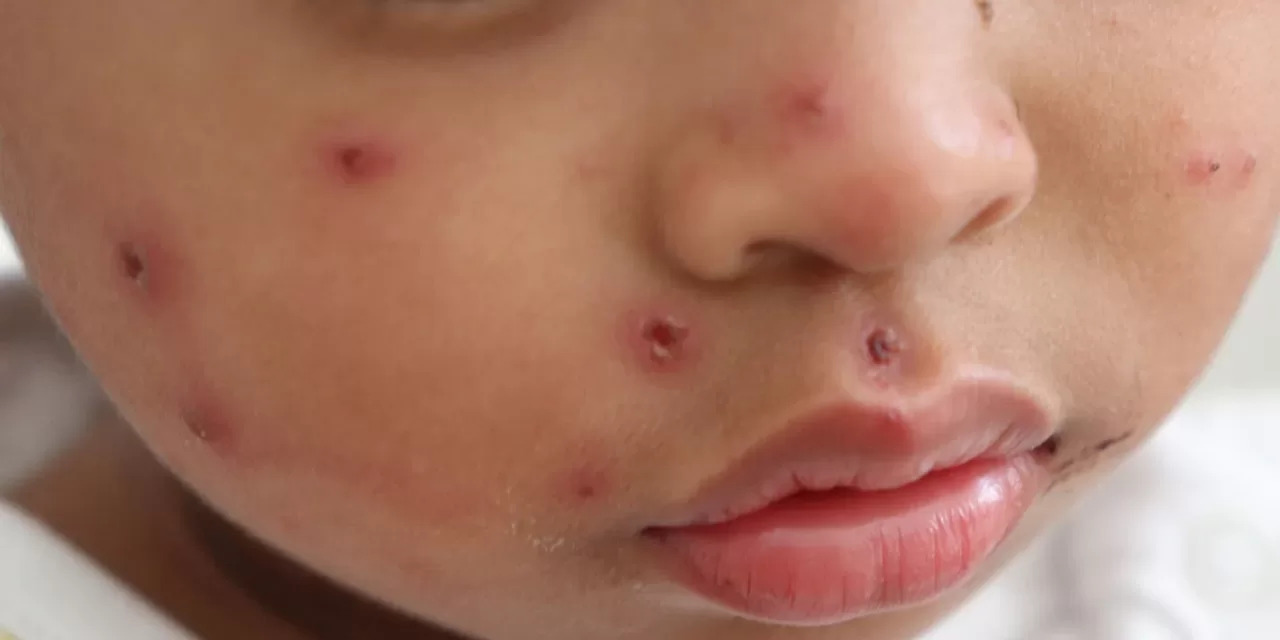
While measles is often misconceptionally viewed as a simple childhood rash, its clinical complications can be severe:
-
Pneumonia: Affects 1 in 20 children with measles and stands as the leading cause of measles-related mortality in young children.
-
Ear Infections: Diagnosed in roughly 10% of cases, occasionally resulting in permanent hearing loss.
-
Encephalitis: Severe brain inflammation occurring in 1 out of every 1,000 cases, which can lead to convulsions, deafness, or long-term intellectual disabilities.
In the current Bangladeshi outbreak, clinicians report a case fatality rate that outpaces typical global baselines. Experts state this severity is driven by a dangerous synergy between the virus and widespread childhood malnutrition, compounded by a lack of critical micronutrients.
Vitamin A is essential for maintaining epithelial integrity and robust immune function. Clinical trials have long demonstrated that administering high-dose Vitamin A (200,000 international units for children; 100,000 IU for infants) for two consecutive days during a measles infection significantly reduces the risk of severe complications. Landmark data published in the Cochrane Database of Systematic Reviews indicates that two megadoses of Vitamin A reduce the risk of mortality in hospitalized children under the age of two, yielding a relative risk reduction to 0.18 (95% CI, 0.03 to 0.61). Conversely, the absence of recent Vitamin A campaigns in Bangladesh has left infected children highly vulnerable to respiratory and neurological failure.
Emergency Mobilization and Public Health Responses
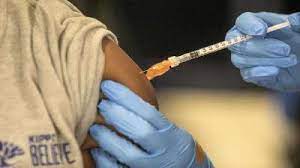
In response to the escalating crisis, the government of Bangladesh, in coordination with the World Health Organization (WHO) and UNICEF, has initiated an emergency mass immunization campaign. The intervention targets roughly 20 million children aged six months to 15 years.
Initial deployment focused heavily on high-risk zones, including the Dhaka North and South City Corporations, as well as the Mymensingh and Barisal districts. To ensure broader coverage, authorities extended the campaign’s timeline through May 20, 2026. This extension was deemed vital as early administrative tracking showed a coverage rate of only 60.57%, falling short of the 99.25% operational target. Critical gaps remain in specific sub-districts (upazilas) and districts; for example, areas like Than (37.13%), Ganj (38%), and Noakhali (39.99%) have recorded lagging immunization rates.
Concurrently, a localized emergency push targeting 30 vulnerable upazilas aims to deliver measles and rubella vaccines to more than 1.2 million children between the ages of six months and five years.
Caveats and Data Limitations
When analyzing the scope of the outbreak, epidemiologists note certain limitations within the data pool. The cumulative death toll of 459 aggregates both laboratory-verified measles cases and clinical presentations of “measles-like symptoms.” Because secondary bacterial pneumonia or other respiratory syncytial viruses can mimic early measles complications, some non-measles cases may be included in the tally.
Furthermore, field data indicates that the true percentage of unvaccinated children may be higher than initial administrative estimates. Among the laboratory-confirmed measles cases, 83% of the patients were found to be completely unvaccinated or only partially vaccinated, while a mere 17% had received the full two-dose regimen. This discrepancy highlights a critical gap between official immunization logs and actual community-level protection.
The Path Forward: Lessons for Global Health
Bangladesh had previously established a public health target to eliminate measles entirely by 2020, a goal later deferred to 2026. The current crisis underscores how rapidly vaccine-preventable diseases can re-emerge when routine immunization systems suffer structural disruptions.
To break the chain of transmission, Dr. Benazir Ahmed has urged hospital administrations to isolate symptomatic children immediately and establish dedicated measles wards, while advising tighter infection control protocols within schools and daycare facilities.
For parents and health-conscious consumers worldwide, the situation in Bangladesh provides clear, evidence-based takeaways:
-
The Dual-Dose Necessity: A single dose of a measles-containing vaccine does not guarantee complete immunity; a two-dose schedule is required for maximum protection.
-
The Power of Herd Immunity: Individual vaccination protects the child, but maintaining a community immunization rate above 95% is the only way to shield infants who are too young to receive the vaccine.
-
Nutritional Defense: Ensuring adequate intake of micronutrients, particularly Vitamin A, serves as a critical defense mechanism against the most severe outcomes of viral infections.
According to WHO historical data, measles immunizations have saved an estimated 59 million lives globally since the turn of the century. As health workers fan out across Bangladesh to close the remaining immunity gaps, the international medical community views the crisis as a stark reminder that public health vigilance cannot be compromised.
Medical Disclaimer: This article is for informational purposes only and should not be considered medical advice. Always consult with qualified healthcare professionals before making any health-related decisions or changes to your treatment plan. The information presented here is based on current research and expert opinions, which may evolve as new evidence emerges.
References
Media and Field Journalism
-
Prothom Alo English — “6 children die as measles and suspected cases surge past 1,500 in 24 hrs,” May 16, 2026; “Measles death rises due to malnutrition, children missed vitamin-A,” May 8, 2026.