 0
0
 0
0
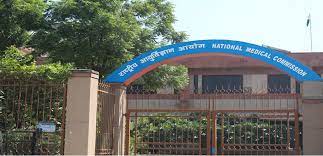
In a major regulatory move aimed at tightening oversight across India’s medical education landscape, the National Medical Commission (NMC) has issued an urgent public advisory naming 70 medical colleges nationwide as non-compliant with its closed-circuit television (CCTV) and live-monitoring standards. Released in early July 2026, the directive orders these institutions—comprising both prominent government hospitals and private entities—to immediately install or repair their surveillance apparatus and link their Network Video Recorders (NVRs) directly to the Commission’s central monitoring network. Citing patient safety, institutional accountability, and regular administrative verification as primary objectives, the regulatory body has set strict deadlines for technical compliance, forcing institutions across multiple states to swiftly align with digital surveillance mandates.
Technical Deficiencies Highlight Widespread Compliance Gaps
The NMC’s public disclosure reveals that as of June 23, 2026, dozens of institutions failed to fulfill the statutory requirements for active, real-time digital oversight. According to regulatory tracking, the operational deficit varies. While some flagged colleges lacked physical cameras in critical zones, a significant portion maintained operational hardware but failed to establish a digital handshake between their onsite NVRs and the NMC’s central command center in New Delhi. This technical disconnect has effectively blinded regulators trying to verify daily institutional operations.
The broad geographic spread of the non-compliant list underscores that surveillance lapses are a systemic challenge rather than an isolated administrative issue. Flagged institutions are located across major states, including Delhi, Maharashtra, Karnataka, and West Bengal. Notably, the list includes highly populated tertiary care facilities, such as Ram Manohar Lohia (RML) Hospital in Delhi and the Government Medical College (GMC) in Jammu, proving that resource or compliance shortfalls extend to premier public healthcare spaces as well as private institutions.
Balancing Public Safety with Transparency
The driving force behind the NMC’s digital mandate is the enforcement of minimum standard requirements across medical institutions. Real-time video access allows regulators to remotely monitor hospital infrastructure, verify actual faculty attendance, ensure proper biometric registry compliance, and observe clinical training environments without the logistical friction or potential bias of scheduled, on-site inspections.
For patients and their families, a well-regulated surveillance framework provides peace of mind. Visible, operational security monitoring acts as a deterrent against medical malpractice, negligence, and unauthorized access to sensitive clinical zones. It also ensures that the high student-to-patient ratios mandated by educational guidelines are actively maintained in teaching hospitals, directly impacting the quality of care delivered on the ground.
Expert Perspectives: Infrastructure vs. Governance
While the directive aims to streamline regulation, independent healthcare analysts argue that digital tracking is only a partial solution to structural deficiencies.
“Remote video access can serve as a powerful compliance tool, provided it is coupled with strict data protection and objective audit trails,” says Dr. R. Suman, an independent health systems expert. “However, we must remember that hardware cannot replace human resources. Technology alone will not resolve deeper systemic vulnerabilities, such as acute staffing shortages or deficient clinical governance.”
Bioethics experts also urge caution regarding the rapid expansion of centralized live feeds without transparent privacy protocols. An academic in medical ethics, speaking independently on the directive, emphasized that constant recording in healthcare facilities risks compromising patient confidentiality.
While cameras are typically restricted to corridors, lecture halls, and administrative entryways, the fluid nature of hospital spaces requires explicit safeguards. Experts stress that the NMC must clearly outline its data retention policies, define who has access to the feeds, and clarify consent mechanisms so that patient dignity is not compromised in the pursuit of regulatory compliance.
Context: A Growing History of Stricter Surveillance
The July 2026 ultimatum is the latest development in a multi-year effort by the central government and the NMC to clean up medical education in India. Previous parliamentary disclosures and audits have routinely exposed “ghost faculties”—where private colleges temporarily hire doctors to pass physical inspections—alongside inflated patient numbers and inadequate laboratory infrastructure.
By migrating to an “always-on” central monitoring framework via NVR links, the NMC aims to make such systemic manipulation impossible. This transition marks a shift from periodic, predictable checks to continuous, data-driven validation of an institution’s functional integrity.
Public Health and Educational Implications
In the short term, the affected 70 medical colleges face immediate operational and administrative challenges. Upgrading network infrastructure, procuring enterprise-grade NVRs, ensuring dedicated high-speed broadband connectivity, and drafting formal explanations to the NMC will consume significant administrative bandwidth. Students and patients may notice temporary disruptions or localized audits as tech teams configure systems within hospital buildings.
In the long term, successful integration could significantly improve public health administration. It lowers the cost of regulatory oversight, creates an empirical evidentiary trail for investigating patient complaints or institutional misconduct, and ensures that the next generation of physicians is trained in fully equipped, compliant environments.
Limitations and Systemic Hurdles
Despite its merits, critics point out several structural barriers to the policy’s success:
-
Data Security and Cyber Vulnerability: Transmitting live medical-environment feeds to a centralized network introduces cybersecurity risks. Without end-to-end encryption and rigid access controls, these digital pipelines could become targets for data breaches.
-
Financial Strain on Resource-Constrained Colleges: While premier institutions can absorb the infrastructure cost easily, smaller colleges or those in remote, resource-constrained regions may face substantial financial and logistical hurdles in maintaining uninterrupted broadband and server connections.
-
The Risk of “Checkbox Compliance”: Functional cameras do not automatically guarantee high-quality teaching or empathetic patient care. Over-reliance on video feeds could inadvertently lead to a regulatory approach that prioritizes technical metrics over actual clinical outcomes.
Guidance for Patients, Students, and Healthcare Staff
-
For Patients and Families: The heightened surveillance measures are designed to safeguard patient care and institutional transparency. If you have concerns regarding privacy or security within a flagged facility, you retain the right to query the hospital’s administration regarding camera placements or voice your grievances through the NMC’s official public channels.
-
For Medical Students and Trainees: Expect increased administrative scrutiny regarding attendance and clinical postings. Ensure that your daily training routines align strictly with institutional logbooks, as remote validation will increasingly rely on correlating video feeds with digital records.
-
For Hospital Administrators and Clinicians: Local data protection policies must be updated immediately. Staff should be trained on how to handle patient queries regarding active recording zones, and technical teams must verify that local network linkages do not compromise the security of broader hospital information systems (HIS).
Reference Section
-
“NMC issues list of 70 non‑compliant medical colleges, orders immediate CCTV system installation, live…”, Medical Dialogues, July 8, 2026.
Medical Disclaimer: This article is for informational purposes only and should not be considered medical advice. Always consult with qualified healthcare professionals before making any health‑related decisions or changes to your treatment plan. The information presented here is based on current research and expert opinions, which may evolve as new evidence emerges.