 0
0
 0
0
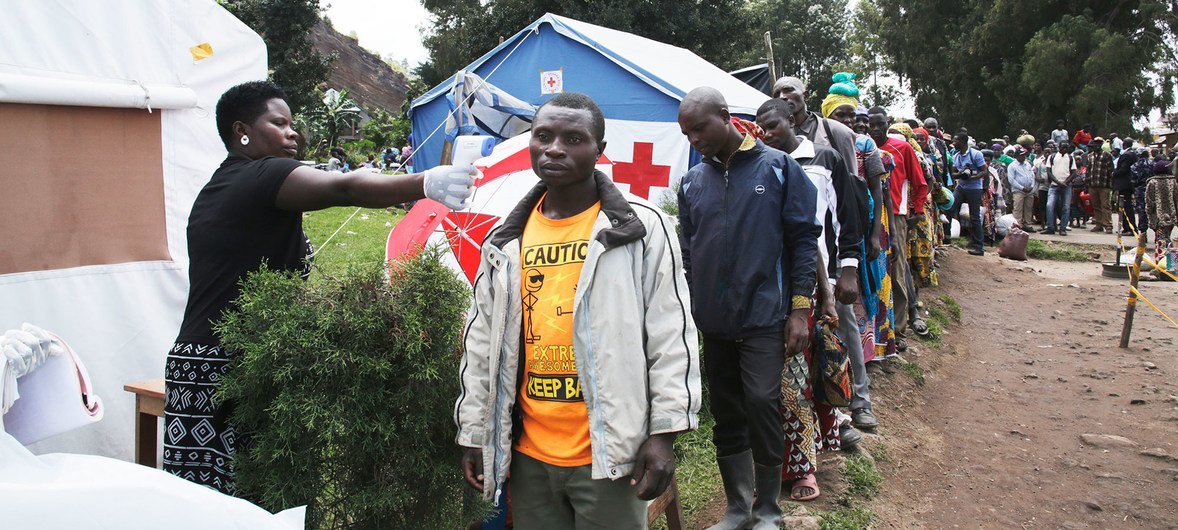
BUNIA, DEMOCRATIC REPUBLIC OF THE CONGO — A severe labor strike has paralyzed frontline medical operations in the eastern Democratic Republic of the Congo (DRC), where an expanding outbreak of Ebola virus disease has claimed nearly 600 lives. On July 8, 2026, healthcare workers in Ituri province walked off the job over months of unpaid salaries and critical shortages of protective equipment. The World Health Organization (WHO) warned this week that the epidemic remains in a highly dangerous “expansion phase,” leaving overextended isolation units and containment teams near their breaking points.
Frontline Workers Walk Out Amid Surging Cases
According to reporting from The Associated Press, local doctors, nurses, and contact tracers in the city of Bunia and surrounding territories initiated the work stoppage after failing to receive standard salaries and hazard bonuses promised since the outbreak was officially declared on May 15, 2026.
Strikers report that they have faced months of high-risk work without adequate personal protective equipment (PPE)—such as specialized gowns, gloves, and masks—leaving them highly vulnerable to an unforgiving pathogen. Local administrative officials confirmed they are locked in emergency negotiations with labor representatives, though no immediate resolution has been announced.
The timing of the labor dispute could scarcely be worse. On July 7, 2026, the WHO issued a stark assessment, stating that the outbreak has failed to stabilize. The international body noted that high population mobility across eastern Congo, combined with deep-rooted regional insecurity, continues to drive transmission into new clusters.
Outbreak Trajectory (May 15 - July 8, 2026)
--------------------------------------------------
May 15: Outbreak Declared
July 1:  1,460 Confirmed Cases | 452 Deaths
July 7:  1,561 Confirmed Cases | 506 Deaths
July 8:  1,708 Confirmed Cases | 580 Deaths
--------------------------------------------------
Note: Rapidly climbing numbers reflect real-time updates from WHO and ground journalists as tracking expands.
A Rare and Challenging Pathogen
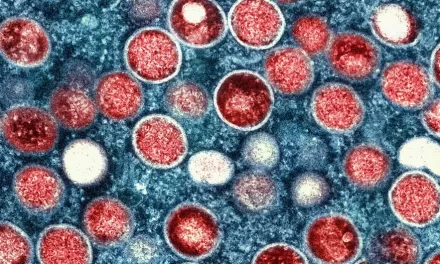
Compounding the crisis is the specific nature of the virus itself. Laboratory sequencing has confirmed that this epidemic is caused by the Bundibugyo virus, a less common species of the Ebola genus.
Unlike the more famous Zaire ebolavirus strain—which was successfully combated in recent years using the highly effective Ervebo vaccine—the Bundibugyo species currently has no licensed vaccine or targeted antiviral therapies.
What is a Case Fatality Ratio? The crude case fatality ratio currently hovers around 34%. This means that roughly one out of every three individuals who contracts the virus dies from it.
Because medical teams lack a preventative vaccine, the primary clinical defense relies entirely on aggressive supportive care. This involves keeping patients hydrated via intravenous fluids, maintaining blood pressure, and treating secondary infections—interventions that are highly effective at saving lives if administered early.
Why a Strike Threatens Containment
In public health epidemiology, controlling an Ebola outbreak requires an airtight system of five core pillars:
-
Rapid Case Identification: Finding sick individuals quickly.
-
Strict Isolation: Placing patients in specialized care units to prevent transmission.
-
Contact Tracing: Identifying and monitoring anyone exposed to an infected person for 21 days.
-
Safe and Dignified Burials: Ensuring highly infectious deceased bodies are handled safely.
-
Community Engagement: Building trust to counter misinformation.
When healthcare workers strike, this entire mechanism fractures. “A strike during a highly lethal epidemic is not just a standard labor disagreement; it is a profound containment failure,” says Dr. Jonathan McCormick, an independent infectious disease specialist and global health consultant who is not involved in the DRC response.
“Frontline workers are the human barrier between the virus and the community,” Dr. McCormick explains. “If contact tracers stop tracking exposures and burial teams stop managing infected remains, the virus can spread exponentially unnoticed. Paying these teams reliably is a fundamental requirement for global health security.”
The WHO reported that several Ebola treatment centers in Ituri are already hovering at 90% occupancy, leaving virtually no margin for operational disruptions or staffing shortages.
Public Health Implications and Global Lessons
For families living within the DRC and adjacent borders, the immediate takeaway is one of heightened vigilance. Border screenings, community health checks, and restrictions on movement are likely to intensify as health authorities attempt to compensate for diminished workforce capacity.
For the global community, the situation serves as a stark reminder that managing a deadly epidemic depends just as heavily on operational logistics and human labor rights as it does on advanced medical science. When international relief funds fail to reach the ground or administrative delays halt payroll, a bureaucratic bottleneck quickly mutates into a localized medical catastrophe.
Complexities and Ground Realities
Public health agencies emphasize that mapping the exact scope of this outbreak remains difficult. As seen in the fluctuating statistics reported by the WHO and major news agencies between July 1 and July 8, case numbers are shifting dynamically. This does not indicate unreliable science, but rather highlights the extreme difficulty of conducting medical surveillance in a conflict-prone geographic region where public mistrust of government authorities runs deep.
Because the Bundibugyo virus presents symptoms similar to malaria, typhoid, and other endemic tropical fevers (such as sudden high fever, profound weakness, muscle pain, and sore throat), response teams must rely on rapid molecular diagnostic tests. If workers remain on strike, blood sample collections and laboratory processing will inevitably experience backlogs, masking the true velocity of the disease.
References
-
Reuters Health News. Ebola outbreak in Congo still in expansion phase, WHO says. Geneva Bureau; Published July 7, 2026.
- Medical Disclaimer: This article is for informational purposes only and should not be considered medical advice. Always consult with qualified healthcare professionals before making any health-related decisions or changes to your treatment plan. The information presented here is based on current research and expert opinions, which may evolve as new evidence emerges.