 0
0
 0
0
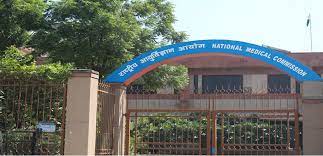
NEW DELHI — The National Medical Commission (NMC), India’s top medical education regulator, appears poised to backtrack on a highly debated proposal that would have mandated a three-year rotational cap for Heads of Departments (HoD) across the country’s medical colleges. Following an intense stakeholder consultation process marked by widespread pushback from faculty, administrative bodies, and medical institutions, the NMC’s Postgraduate Medical Education Board (PGMEB) has recommended retaining the traditional merit-cum-seniority system, favoring institutional stability over a forced leadership turnover.
The Push for Rotation: Widening Opportunities vs. Institutional Memory
The controversy began when the NMC introduced a draft amendment to Regulation 7.1 of the Postgraduate Medical Education Regulations (PGMER). The proposal aimed to rotate the prestigious HoD position every three years among eligible professors and associate professors based on departmental seniority and postgraduate qualifications.
Proponents of the amendment argued that a rotational policy was long overdue. They asserted that limiting a single individual’s tenure would democratize institutional leadership, bring fresh administrative perspectives to stagnant departments, and effectively minimize the heavy concentration of power often held by lifelong department heads. Advocacy groups and some junior faculty members noted that the traditional status quo could perpetuate professional gatekeeping and limit leadership diversity.
However, the medical academic community quickly sounded the alarm. Opponents cautioned that an automatic, time-bound rotation could trigger severe administrative instability. Critics argued that short, fixed tenures would fragment long-term academic planning, disrupt ongoing multi-year research projects, and derail post-graduate training continuity. Furthermore, complex institutional tasks—such as navigating periodic medical college accreditation renewals—often require sustained, experienced leadership to succeed.
Public Consultation Reveals a Divided Medical Community
The scale of resistance became clear during the public comment period. Data from the consultation process revealed a deeply engaged, yet highly polarized, medical community.
Consultation Responses on Rotatory HoD Proposal (421 Total Suggestions)
=======================================================================
[███████████████████████████████████████] 249 Opposed (59.1%)
[███████████████████████████] 172 Supported (40.9%)
According to summary reports of the feedback, the NMC received 421 official suggestions regarding the draft. A decisive 59% majority (249 responses) formally opposed the strict three-year rotation, while 41% (172 responses) voted in favor of the change. High-profile medical institutions and major government teachers’ associations spearheaded the opposition, prompting the PGMEB to formally suggest a pivot back to a flexible, merit-cum-seniority model.
What Lies at Stake: Public Health and Academic Implications
Medical education experts not involved in drafting the amendment emphasize that the debate extends far beyond internal campus politics. Departmental leadership stability directly influences the quality of clinical training and, downstream, the safety of patient care.
“A Head of Department isn’t just an administrator; they are the custodian of clinical standards,” explains Dr. Arati Sharma, a retired professor of medicine and independent medical education consultant. “When you rotate leadership every three years, you risk breaking the chain of mentorship. Long-term clinical trials, large-scale public health research grants, and curriculum reforms require years of consistent supervision. Frequent handovers can introduce administrative paralysis, which ultimately impacts how teaching hospitals deliver healthcare services.”
Conversely, counterarguments persist. Some younger faculty members note that small online opinion polls and formal association letters may underrepresent their perspectives, as junior doctors often lack the institutional leverage to openly challenge senior leadership. They argue that without some form of structured rotation, innovative pedagogical methods and equitable faculty development can be stifled by entrenched decision-making.
                       ┌─────────────────────────┐
                       │ Traditional System      │
                       │ (Merit-cum-Seniority)   │
                       └────────────┬────────────┘
                                    │
                         [NMC Proposes Amendment]
                                    │
                                    ▼
                       ┌─────────────────────────┐
                       │ Draft PGMER-2023        │
                       │ 3-Year Fixed Rotation   │
                       └────────────┬────────────┘
                                    │
                         [Public Protest / 59% Opposed]
                                    │
                                    ▼
                       ┌─────────────────────────┐
                       │ PGMEB Recommendation    │
                       │ Revert to Merit-Seniority│
                       └─────────────────────────┘
Legal Complications and the Road Ahead
The regulatory tug-of-war also carries significant legal baggage. The issue of department headships has previously reached the judiciary, with various high courts and the Supreme Court of India seeking the NMC’s input on related disputes.
The crux of the legal debate centers on whether the role of an HoD is fundamentally academic or administrative. If deemed primarily academic, institutional bye-laws and university autonomy may hold greater legal weight. If classified strictly as an administrative post, national regulatory mandates issued by the NMC could legally override local state or institutional rules.
While the PGMEB’s recommendation strongly signals that the NMC will drop the rigid three-year mandatory rotation, a final official notification has yet to be published. Medical analysts suggest that the commission may opt for a compromise—allowing individual medical colleges and state universities the flexibility to implement rotational policies if they choose, rather than enforcing a blanket national mandate.
For now, institutional administrators and medical faculty are advised to closely monitor the official NMC portal for the finalized PGMER text. Academic departments currently undergoing accreditation or executing multi-year research grants are also being urged to carefully document leadership responsibilities and maintain robust transition blueprints, ensuring operational continuity regardless of future regulatory shifts.
References
-
India Today Report. “NMC HoD rotation proposal may be dropped after 59 per cent opposition from medical community.” Published June 23, 2026.
Medical Disclaimer: This article is for informational purposes only and should not be considered medical advice. Always consult with qualified healthcare professionals before making any health-related decisions or changes to your treatment plan. The information presented here is based on current research and expert opinions, which may evolve as new evidence emerges.