 0
0
 0
0
April 29, 2026
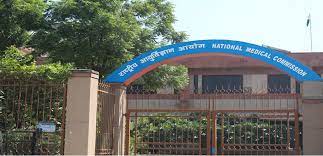
NEW DELHI — In a landmark move set to reshape the landscape of medical education in India, the National Medical Commission (NMC) has officially eliminated long-standing restrictions on MBBS student intakes. By removing the 150-seat cap per college and scrapping the population-based seat ratio, the regulatory body has cleared the path for a massive expansion of the country’s healthcare workforce. The amendment to the Undergraduate Medical Education Minimum Standard Requirements (UG-MSR) 2023, published in the Gazette of India on April 28, 2026, signals a transition from rigid administrative quotas to an infrastructure-led growth model for medical training.
Breaking the Ceiling: Key Regulatory Shifts
The latest notification from the NMC marks a significant departure from the original UG-MSR 2023 guidelines. Most notably, the commission has deleted the clause that restricted medical colleges from exceeding a total of 150 MBBS students per year. This cap was initially introduced to prevent the overextension of faculty and hospital resources, but it frequently faced criticism for stifling the growth of well-equipped institutions capable of handling larger cohorts.
Furthermore, the NMC has discarded the “100 seats per 10 lakh population” proviso. Previously, this rule prevented states—particularly in Southern India—from opening new colleges if they already met a specific doctor-to-population ratio. By removing this barrier, the NMC is allowing states with robust infrastructure to continue expanding, regardless of their current population metrics.
In a bid to ensure practical clinical training remains accessible, the commission also tightened geographical requirements. The vague “30-minute travel time” rule between a medical college and its attached hospital has been replaced with a precise 10 km distance limit. Recognizing the logistical hurdles of mountainous regions, this limit is extended to 15 km for North-Eastern and Himalayan states.
Context: The Push for 75,000 New Seats
India’s medical education system has been under immense pressure. As of early 2026, the country operates approximately 824 medical colleges offering between 1.29 lakh and 1.37 lakh MBBS seats. While these numbers seem high, the competition remains staggering; last year, over 22.76 lakh students appeared for the NEET-UG exam to compete for these limited spots.
While India has technically surpassed the World Health Organization (WHO) recommended doctor-population ratio of 1:1,000 (reaching 1:811 when including AYUSH practitioners), the ratio for allopathic doctors remains approximately 1:1,262. More critically, the distribution of these doctors is heavily skewed toward urban centers, leaving rural populations underserved.
This policy shift aligns with the Union Government’s 2024 pledge to add 75,000 medical seats over five years. By removing the 150-seat ceiling, the NMC is effectively inviting established government and private hospitals to scale up their educational capacity.
Expert Perspectives: Opportunity vs. Quality
The medical community remains divided on whether “more” necessarily means “better.”
Dr. David Abraham, former president of the Indian Medical Association (IMA), views the move as a necessary evolution. “Removing the cap addresses India’s chronic doctor deficit,” Dr. Abraham noted. “If an institution has the beds, the faculty, and the patient load to train 250 students, there is no logical reason to restrict them to 150. This is about utilizing our existing infrastructure to its fullest potential.”
Conversely, some experts worry about the dilution of educational standards. Dr. Sujata Sharma, a public health specialist at AIIMS Delhi, emphasizes that clinical exposure is the backbone of medical training. “Expansion is vital, but without a corresponding increase in the ‘bed-to-student’ ratio and faculty strength, we risk producing graduates who have the degree but lack the hands-on experience,” Dr. Sharma cautioned. She noted that while the 10 km rule provides clarity, rigorous enforcement by the Medical Assessment and Rating Board (MARB) is the only way to prevent “paper-only” compliance.
Public Health Implications
The removal of these caps could have a ripple effect across the Indian healthcare system:
-
Improved Patient-to-Doctor Access: An influx of thousands of new doctors annually could eventually lower the burden on public hospitals and reduce wait times for specialized care.
-
Regional Development: The relaxed 15 km distance norm for Himalayan states like Himachal Pradesh and Uttarakhand may encourage the establishment of colleges in difficult terrains, potentially retaining local talent in those regions.
-
Postgraduate Bottlenecks: A major concern for public health analysts is the growing gap between MBBS graduates and postgraduate (PG) seats. With only about 70,000 PG seats currently available, a surge in MBBS graduates could lead to a “logjam” where thousands of junior doctors remain in a professional limbo while attempting to specialize.
Potential Limitations and Challenges
Critics of the deregulation point to the historical “ghost faculty” issues and inadequate patient loads in some newer private institutions. Without the population-based ratio, there is also a risk of “medical education clusters,” where certain states become oversaturated with colleges while others remain “medical deserts.”
Additionally, the new 10 km distance rule does not account for urban congestion. In cities like Mumbai or Delhi, a 10 km journey can take significantly longer than the previous 30-minute benchmark, potentially impacting the time students spend on clinical rounds versus commuting.
What This Means for Aspiring Doctors and Families
For students preparing for the NEET-UG 2027 and beyond, the outlook is cautiously optimistic. The probability of securing a seat in a government or high-quality private college is expected to rise as existing institutions apply for seat increases.
Key Takeaways for Readers:
-
Monitor the Seat Matrix: Students should keep a close watch on the NMC portal for updated seat counts in their preferred states during counseling.
-
Focus on Quality: When choosing newer or expanded colleges, families should investigate the attached hospital’s “daily average patient intake” to ensure adequate learning opportunities.
-
Long-term Planning: Aspiring medics must prepare for a highly competitive environment for postgraduate specializations, as the number of MBBS holders will likely outpace PG seat growth in the short term.
As the NMC transitions toward this more flexible regulatory framework, the success of the initiative will ultimately depend on one factor: the uncompromising maintenance of quality through strict, transparent auditing of medical institutions.
References
-
National Medical Commission (NMC). (2026). Gazette Notification: Amendments to Undergraduate Medical Education Minimum Standard Requirements (UG-MSR) 2023. [Ref: NMC/UG/2026/04-28].
Medical Disclaimer: This article is for informational purposes only and should not be considered medical advice. Always consult with qualified healthcare professionals before making any health-related decisions or changes to your treatment plan. The information presented here is based on current research and expert opinions, which may evolve as new evidence emerges.