 0
0
 0
0
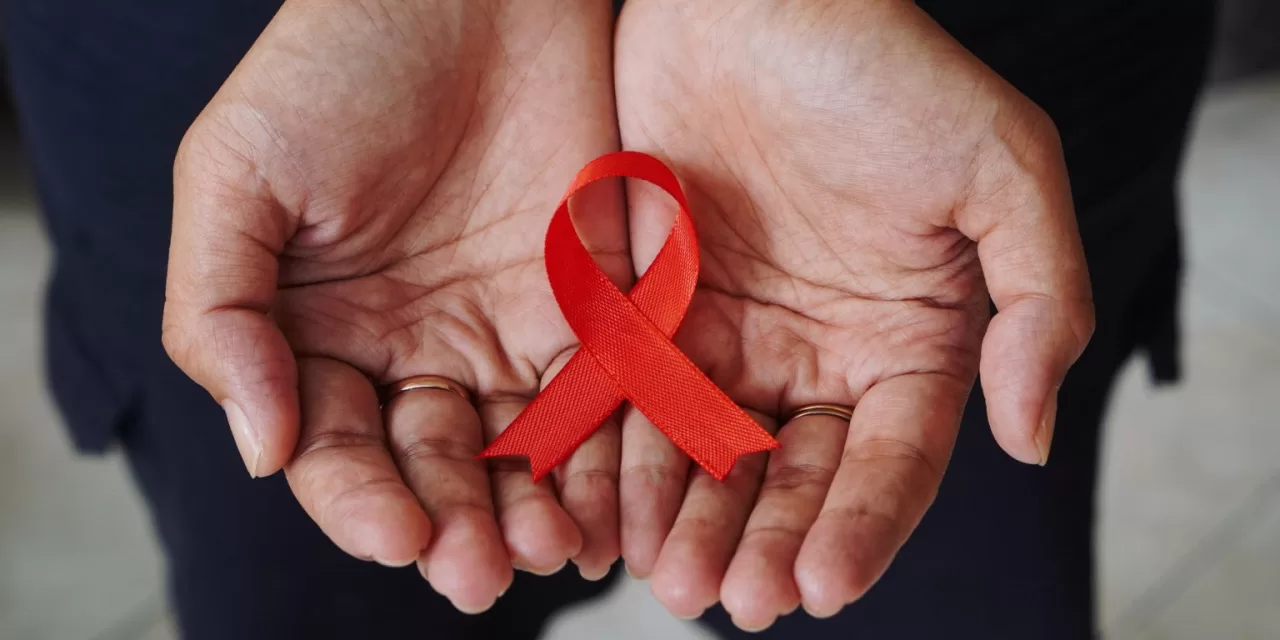
ISLAMABAD — A high-level delegation from the Global Fund to Fight AIDS, Tuberculosis and Malaria is scheduled to arrive in Pakistan in early May 2026 to conduct an emergency assessment of the country’s escalating HIV epidemic. The mission follows a scathing 2025 audit that exposed systemic governance failures, and comes on the heels of alarming new outbreaks—including more than 300 children testing positive for HIV in a single district due to the reuse of medical syringes.
The visit marks a critical juncture for Pakistan’s public health infrastructure. With new infections rising by 64% over the last five years and HIV-related deaths surging by 400%, the delegation will scrutinize how more than $1.1 billion in donor funding has been managed since 2003. The mission’s findings could dictate the future of international health aid to the region and force a radical restructuring of how Pakistan manages infectious diseases.
A Crisis in Numbers: From Taunsa to Islamabad
The human cost of the current crisis is most visible in the Punjab province and the capital territory. In the Taunsa district of Punjab, a cluster of over 300 pediatric HIV cases has been linked directly to healthcare lapses, specifically the illegal reuse of syringes and inadequate blood screening protocols.
Meanwhile, data from the federal capital paints a similarly grim picture. Between January 2025 and March 2026, 618 new cases were reported in Islamabad alone. These figures represent only a fraction of the national burden, as experts warn that a significant portion of the population remains undiagnosed due to limited testing and pervasive social stigma.
Audit Reveals “Systemic Failures”
In June 2025, the Global Fund’s Office of the Inspector General (OIG) released a report detailing why, despite significant investment, Pakistan is losing ground against the virus. The audit highlighted several “critical shortcomings”:
-
Governance Gaps: Frequent leadership changes at the Ministry of National Health Services, Regulations and Coordination (MoNHSRC) have led to inconsistent policy implementation.
-
Capacity Issues: The Common Management Unit (CMU), responsible for overseeing grants, was found to have significant gaps in technical expertise.
-
Funding Shortfalls: Domestic investment in HIV programs remains “insufficient,” leaving the national response almost entirely dependent on international donors.
-
Declining Allocations: The latest funding cycle (2023–2025) saw total allocations drop to $223.6 million, with a specific $4 million cut to HIV programming.
While the number of HIV service sites quadrupled from 16 to 53 between 2021 and 2023, the OIG noted that these physical expansions have not yet translated into effective prevention or treatment “cascades”—the process of identifying, treating, and suppressing the virus in patients.
The “Bureaucratic Takeover” of Public Health
Medical professionals and advocates argue that the crisis is as much about administration as it is about medicine.
“A decade ago, these programs were led by technical specialists who understood the epidemiology of the disease,” noted a senior official within the health ministry, speaking on condition of anonymity. “After consolidation under the CMU, bureaucrats took over. This shift prioritized administrative perks over disease management, and we are seeing the consequences of that today.”
Dr. Zafar Mirza, former Special Assistant to the Prime Minister on Health, emphasized that the transmission is being fueled by a lack of basic medical safety. “Unsafe medical practices—particularly the reuse of syringes and inadequate blood screening—are key drivers of transmission,” Dr. Mirza stated. He advocates for the Global Fund to push for the reinstatement of technical experts to oversee procurement and clinical protocols.
Asghar Satti, National Coordinator of the Association of People Living with HIV (APLHIV), warned of the fragility of the current system. “The HIV response in Pakistan is totally dependent on Global Fund funding. There is no meaningful domestic funding,” Satti said, highlighting the risk of a total system collapse if donor fatigue sets in.
Public Health Implications: What This Means for You
For the general public, the surge in HIV cases serves as a sobering reminder of the importance of healthcare safety. The crisis in Taunsa specifically highlights the dangers of “quackery” and unregulated medical practices.
Practical Safety Measures for Patients:
-
Demand New Syringes: Always ensure that a healthcare provider opens a fresh, blister-packed syringe in your presence. Look for Auto-Disable (AD) syringes, which are designed to lock after a single use.
-
Verified Sterilization: If undergoing any procedure involving needles or surgical instruments (including dental work), ensure the facility uses a validated autoclave for sterilization.
-
Blood Safety: Only accept blood transfusions from licensed blood banks that provide certificates of screening for HIV, Hepatitis B, Hepatitis C, and Syphilis.
-
Testing: Free and confidential HIV testing and counseling are available at National AIDS Control Programme (NACP) sites across the country. Early diagnosis is essential, as modern Antiretroviral Therapy (ART) allows individuals with HIV to live long, healthy lives.
Political and Regulatory Response
The looming Global Fund visit has spurred a flurry of activity within the Pakistani government. The National Assembly’s Standing Committee on Health, chaired by Dr. Mahesh Kumar Malani, has demanded a comprehensive briefing on the surge.
Simultaneously, the Drug Regulatory Authority of Pakistan (DRAP) has been directed to devise strategies to eliminate the use of 10cc syringes, which remain in circulation despite bans on smaller, non-safety-designed sizes. Ministry spokesperson Sajid Shah has stated that the government is accelerating these bans, though he also suggested that some media reports have inflated the infection figures.
Limitations and the Road Ahead
While the Global Fund audit provides a roadmap for reform, there are significant hurdles. The 2022 floods, which caused a five-fold spike in malaria cases, demonstrated how environmental shocks can derail even well-funded programs. Furthermore, the ongoing stigma surrounding HIV in Pakistan continues to prevent high-risk populations from seeking care.
The upcoming visit remains subject to the volatile security situation in the region; some officials suggest that Middle East tensions could potentially delay the delegation’s arrival. However, the consensus among health experts is clear: without a shift from bureaucratic management to technical leadership, and a significant increase in domestic funding, Pakistan’s HIV epidemic may move from a concentrated crisis to a generalized public health catastrophe.
Medical Disclaimer: This article is for informational purposes only and should not be considered medical advice. Always consult with qualified healthcare professionals before making any health-related decisions or changes to your treatment plan. The information presented here is based on current research and expert opinions, which may evolve as new evidence emerges.
References
-
Dawn News. (2026, April 26). Global Fund team may come to inspect ‘HIV mishandling’.