 0
0
 0
0
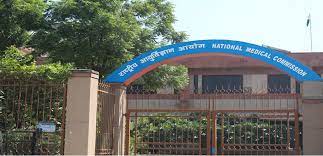
NEW DELHI – The National Medical Commission (NMC) has issued a high-priority advisory and “Alert Note” to Indian students and parents regarding medical education in Uzbekistan. Citing reports of unauthorized offshore campuses and serious violations of international training standards, the commission warns that students enrolling in non-compliant institutions risk being disqualified from practicing medicine in India.
The advisory, released on April 1, 2026, by the Under-Graduate Medical Education Board (UGMEB), underscores a growing concern over “offshore campus models” and predatory recruitment practices by private contractors.
The Uzbekistan Red Flags: Quality and Compliance Concerns
Following a formal communication from the Embassy of India in Tashkent, the NMC has flagged specific institutions and practices that fail to meet the Foreign Medical Graduate Licentiate (FMGL) Regulations, 2021.
According to the Embassy’s report, several critical issues have compromised the quality of education for Indian nationals in Uzbekistan:
-
Over-Enrollment: Institutes are reportedly admitting students far beyond their actual intake capacity, diluting the quality of instruction and resources.
-
Language Barriers: Despite promises of English-medium instruction, many students are unable to receive hands-on clinical training because the actual medium of instruction is not English.
-
Unauthorized Offshore Programs: The NMC specifically named the TIT Institute of Medical Sciences in Bangalore—an offshore campus of the TSMU Termez Branch—as being in serious violation of regulatory norms.
Other institutions mentioned in the alert for which students must exercise “extreme caution” include Bukhara State Medical Institute (BSMI), Samarkand State Medical University (SSMU), and Tashkent State Medical University (TSMU).
The FMGL Regulations: What Students Must Know
The NMC reiterated that eligibility to practice medicine in India is not guaranteed simply by earning a degree abroad. Under the FMGL Regulations of 2021, a foreign medical qualification is only valid if it meets strict criteria.
The Mandatory “Six Pillars” of Compliance:
-
Duration: A minimum of 54 months of medical education must be completed at a single institution.
-
Internship: A 12-month internship must be completed at the same foreign university where the degree was obtained.
-
Clinical Training: Training must be continuous and cannot be done in parts or across different countries.
-
Medium of Instruction: The entire course must be conducted in English.
-
Curriculum: Students must study all mandatory subjects specified in Schedule-I of the regulations.
-
Licensing: The student must be registered with the professional regulatory body of the country where the degree was awarded and be eligible for a license to practice medicine in that country on par with its citizens.
“Failure to meet these requirements may result in ineligibility for registration to practice medicine in India after completion of the course,” the commission stated in the advisory.
Agent Malpractices and Fraudulent Offers
The NMC also highlighted the role of private contractors and “unverified agents” in misleading students. Specifically, the Embassy of India shared testimonies from students at Bukhara State University regarding a private contractor known as RARE Company.
The commission warns that no agent or institution can guarantee admission outside the prescribed process, which includes mandatory qualification in the NEET examination. Parents and students are urged to verify the recognition status of any university and the legitimacy of intermediaries before making any financial commitments.
Expert Perspective: Protecting the Future of Indian Healthcare
While the NMC serves as the regulatory watchdog, medical education experts suggest that the lure of lower tuition fees often blinds families to the long-term risks.
“The challenge is that many students see a foreign degree as a shortcut, but without clinical hours in a language they understand, they are effectively paying for a degree they cannot use,” says a senior medical educator (not affiliated with the NMC). “The 2021 FMGL regulations were designed specifically to ensure that an Indian doctor trained abroad is just as competent as one trained at an AIIMS or a government college in India.”
Action Plan for Aspiring Medical Students
To avoid the “degree trap,” the NMC and the Ministry of Health and Family Welfare recommend the following steps for all students considering Uzbekistan or other foreign destinations:
-
Consult Official Channels: Seek guidance directly from the National Medical Commission or Indian diplomatic missions abroad.
-
Verify Credentials: Check the NMC’s dedicated website for updates on the recognition or blacklisting of specific foreign institutions.
-
Report Suspicious Activity: Any individual or agency offering “illegal or misleading” admissions should be reported to the NMC immediately.
-
Stay Informed: Regularly check updates on the NMC’s official X (formerly Twitter) handle and website.
The message from the UGMEB is clear: the responsibility of “due diligence” lies with the student. In an era of globalized education, the cost of an unverified degree is not just financial—it is the end of a medical career before it even begins.
References
https://www.nmc.org.in/MCIRest/open/getDocument?path=/Documents/Public/Portal/LatestNews/Adveisry_merged_admninforeignUniv.pdf
Medical Disclaimer: This article is for informational purposes only and should not be considered medical advice. Always consult with qualified healthcare professionals before making any health-related decisions or changes to your treatment plan. The information presented here is based on current research and expert opinions, which may evolve as new evidence emerges.