 1
1
 0
0
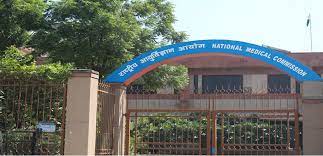
THIRUVANANTHAPURAM, KERALA — In a major regulatory intervention aimed at easing the financial burden on future healthcare professionals, the National Medical Commission (NMC) has issued a binding directive ordering all medical colleges in Kerala to refund excess tuition fees. The apex medical regulatory body discovered that institutions were systematically overcharging students beyond the mandated 4.5-year academic duration of the Bachelor of Medicine, Bachelor of Surgery (MBBS) undergraduate program.
The directive follows widespread complaints from student unions and parents regarding exploitative pricing practices. It applies across the board to both government-run and private self-financing medical colleges throughout the state, explicitly covering students admitted under the modernized medical curriculum since 2020. Local education officials have taken immediate enforcement steps, with the Director of Medical Education (DME) Kerala summoning private college management bodies to an implementation summit to organize the refund framework.
The Core Dispute: Tuition vs. Training
The regulatory clash centers on the distinction between formal academic instruction and practical clinical training. The standard MBBS program in India is structurally divided into two clear phases:
-
Academic Phase: 4.5 years (54 months) of rigorous classroom lectures, laboratory work, and proctored clinical rotations.
-
Practical Phase: A 1-year Compulsory Rotating Medical Internship (CRMI) designed to give graduates hands-on hospital training before they practice medicine independently.
The NMC’s investigation revealed that numerous institutions were charging full annual tuition fees for five, or sometimes five-and-a-half, academic years. College administrators routinely justified the extra billing by pointing out that students remained technically enrolled at the institution during their 12-month clinical internships.
However, the NMC Act of 2019 explicitly stipulates that tuition fees may only be collected for the active 54 months of academic study. The regulatory body clarified that because the internship phase involves no classroom teaching, lecturing, or formal institutional examinations, charging academic tuition during this period constitutes a direct violation of statutory federal provisions.
Expert Perspectives on Student Exploitation
Independent medical education authorities have strongly defended the federal intervention, noting that the practice of overcharging during internships fundamentally subverts the purpose of clinical training.
“This directive addresses a long-standing, unjust financial extraction from medical trainees,” explains Dr. Rajesh Kumar, a veteran medical education consultant who was not involved in the NMC regulatory proceedings. “The internship year is meant to be a period of intense, hands-on hospital service where these young professionals function as junior frontline clinicians. In fact, hospitals are legally mandated to pay these interns a stipend for their labor. Forcing them to pay tuition fees while they are actively working and providing care is conceptually backwards, causing severe emotional and financial distress.”
This is not the first time Kerala’s medical institutions have faced scrutiny for financial irregularities. As far back as 2019, the Fee Regulatory Committee for Medical Education in Kerala ordered four prominent self-financing institutions—including the Amala Institute of Medical Sciences and the Jubilee Mission Medical College—to return millions of rupees in inflated fees collected from Non-Resident Indian (NRI) students. Regulatory bodies warned at the time that inflating costs during the tail-end of a degree closely mirrors illegal capitation fees—unauthorized premium payments used to secure educational seats.
Financial Analysis: The Scale of Overcharging
The financial relief awaiting affected students and their families is substantial, though the scale varies dramatically depending on whether the student is enrolled in a subsidized public seat or a private institution. According to data maintained by the Commission for Entrance Examinations (CEE) Kerala, the estimated financial impact per student for the unapproved six-month billing period is structured as follows:
| College Category | Average Annual MBBS Tuition Fee | Estimated Six-Month Excess Refund Due |
| Government Medical Colleges | ₹25,000 – ₹32,000 | ₹12,500 – ₹16,000 |
| Private Self-Financing Colleges | ₹6,10,000 – ₹8,97,000 | ₹3,05,000 – ₹4,48,500 |
| NRI Quota Seats (Private) | ₹21,65,000 | ₹10,82,500 |
For families with children in private and NRI seats, the refund represents a significant sum of money that can help offset the heavy debt burdens frequently associated with modern medical training.
Public Health Implications and Student Well-Being
Beyond immediate financial accounting, public health advocates argue that checking the rising costs of medical education directly affects the long-term health infrastructure of the country.
1. Safeguarding Future Doctors’ Mental Health
Medical school is notoriously demanding, but when combined with severe financial strain, the mental health toll can be devastating. Studies frequently track high rates of burnout, anxiety, and depression among medical students. Relieving families of an unexpected half-year of private tuition directly reduces the psychological pressures carried by future physicians, protecting their well-being before they enter public service.
2. Diversifying the Healthcare Workforce
When private medical education costs escalate into tens of millions of rupees, it creates an economic barrier that restricts the profession to affluent demographics. Ensuring transparent, strictly regulated pricing guarantees that highly qualified candidates from middle- and lower-income backgrounds can afford to finish their training, protecting socioeconomic diversity among incoming doctors.
3. Preventing Defensive, Profit-Driven Medicine
Experts point out a subtle link between educational debt and public patient care. Doctors who graduate with massive institutional loans face intense pressure to enter lucrative urban specialties or practice defensive, high-cost medicine to repay their debts. Lowering the overall financial burden of an MBBS degree makes it easier for young doctors to choose lower-paying, critical public health paths, such as rural family medicine or infectious disease research.
Institutional Pushback and Limitations
Despite the consumer protection benefits, private medical college administrations have voiced strong reservations regarding the financial impact of the refunds. Management representatives argue that sudden, large-scale financial outlays could severely disrupt institutional liquidity, potentially compromising ongoing infrastructure upgrades, medical research laboratory funding, and faculty salary structures.
Furthermore, college associations claim that because the academic calendar occasionally stretches past 54 months due to pandemic-related disruptions or bureaucratic exam delays, they technically host and support students for a longer duration than initially planned.
However, judicial precedents lean heavily against institutional overcharging. In a landmark 2022 ruling, the Kerala High Court explicitly held that collecting academic fees in advance for an upcoming year before the previous term’s requirements are fully delivered constitutes commercial “profiteering.” The court strictly restrained private managements from utilizing advanced billing structures to secure capital. The NMC’s latest directive reinforces this judicial stance, warning that any institution failing to comply with the refund order will face severe regulatory penalties, including the potential reduction of authorized student intake seats.
Actionable Steps for Affected Families
For medical students and parents currently or recently enrolled in Kerala’s MBBS programs, the following steps are recommended to ensure compliance:
-
Review Fee Receipts: Cross-reference all institutional bank transfers and receipts against the official 4.5-year (54-month) academic timeline to isolate any fees charged specifically for the internship period.
-
Verify Admission Year: Confirm that the student’s matrix year falls within the post-2020 window covered by the modern NMC curriculum updates.
-
File Formal Documentation: Request an official statement of accounts from your college administration regarding refund processing timelines. If an institution delays or refuses cooperation, formal complaints can be escalated directly to the Directorate of Medical Education (DME) office in Thiruvananthapuram.
As federal and state authorities align to enforce these fee limits, this regional intervention is expected to set a national precedent, prompting similar fee audits across other states to protect medical students nationwide from predatory institutional billing.
Medical Disclaimer
This article is for informational purposes only and should not be considered medical or legal advice. Always consult with qualified healthcare professionals, academic advisors, or legal experts before making any health-related decisions, career adjustments, or changes to your educational financial plans. The information presented here is based on current institutional directives and expert opinions, which may evolve as new regulatory evidence emerges.
Reference Section
- https://medicaldialogues.in/state-news/kerala/nmc-orders-refund-of-excess-fees-allegedly-collected-from-mbbs-students-in-kerala-172549