 0
0
 0
0
NAGPUR – Following the confirmed outbreak of highly pathogenic H5N1 avian influenza at the government-run Central Hatchery in Seminary Hills, wildlife authorities in Nagpur have launched an aggressive biosecurity campaign. With the deaths of nearly 1,000 poultry birds verified as H5N1 by the CSIR-National Institute of High Security Animal Diseases (NIHSAD) on March 24, 2026, the city’s premier zoos and rescue centers have moved to “war footing” to prevent a repeat of the interspecies “spillover” events that devastated local captive wildlife just one year ago.
Rapid Containment: Culling and Control Zones
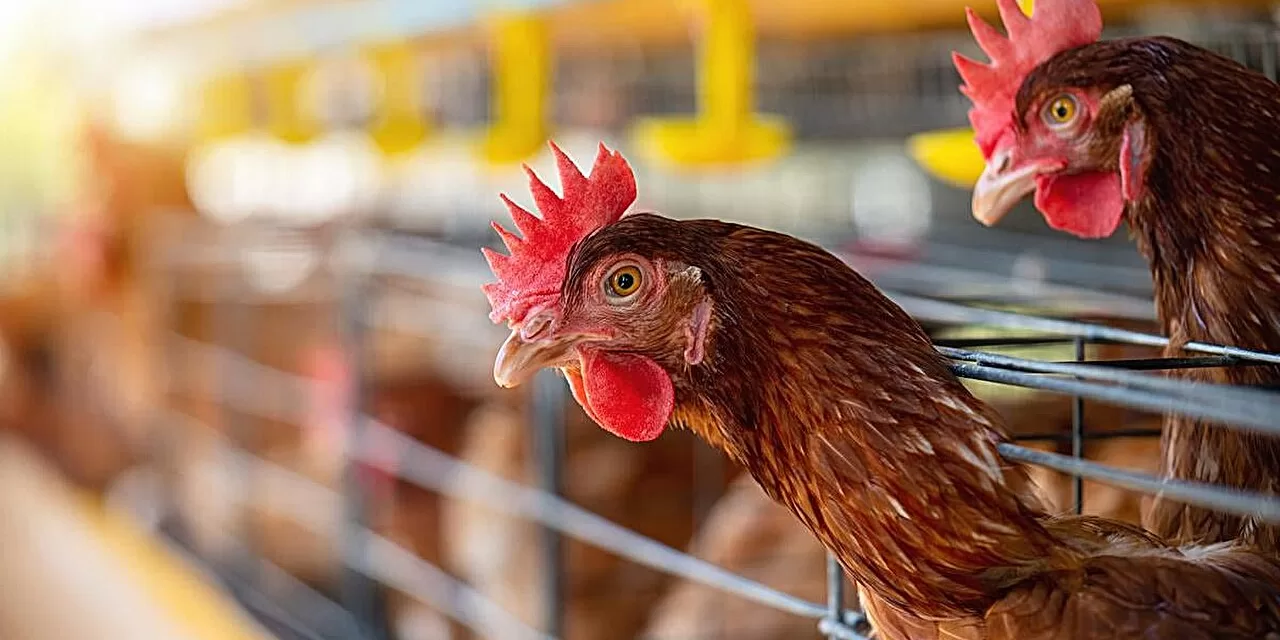
The outbreak surfaced at the Seminary Hills facility when mortality rates spiked unexpectedly. In a swift response coordinated by district administration and livestock officials, approximately 1,000 birds were culled and 14,000 eggs destroyed through specialized scientific disposal methods to halt the viral spread.
Under the National Action Plan for Avian Influenza, authorities have established a 1-km infected zone around the hatchery. For a 21-day period, the sale, transport, and exhibition of poultry are strictly prohibited within this perimeter. Investigators currently suspect that migratory birds frequenting the nearby Futala Lake may have introduced the pathogen—a recurring seasonal challenge for the region.
Protecting the “Big Cats”: Lessons from 2025
The stakes are particularly high for the Balasaheb Thackeray Gorewada International Zoo and the Gorewada Rescue Centre. In early 2025, the facility suffered the tragic loss of three tigers and one leopard to H5N1, highlighting the virus’s ability to jump from avian hosts to mammalian carnivores.
Pandurang Pakhale, Director of Gorewada Zoo, confirmed that entry for the public and non-essential staff has been barred near sensitive enclosures.
“We have stopped feeding chicken and eggs to animals in the centre. Our veterinarians are continuously taking follow-up of all animals residing at the centre on a daily basis,” Pakhale stated.
The diet for these apex predators has been switched to verified red meat sources to eliminate the risk of foodborne transmission. Similarly, the Maharajbag Zoo has initiated intensive sanitization drives, using chemical disinfectants to curb potential airborne or fomite (surface-based) spread.
The Science of H5N1: Why It Matters
H5N1 is a subtype of the Influenza A virus that is highly contagious among birds. While it primarily circulates in wild waterfowl and poultry, it poses a significant threat to mammals through:
-
Direct Contact: Exposure to infected saliva, mucus, or feces.
-
Consumption: Ingesting raw meat from infected birds.
-
Environmental Contamination: Contact with virus-laden surfaces or water.
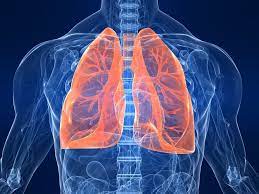
In poultry, the mortality rate often exceeds 90%. In mammals, the virus can lead to severe respiratory distress, neurological symptoms, and fatal pneumonia. While no zoo animals have tested positive in the current April 2026 outbreak, the Transit Treatment Centre (TTC) has proactively relocated all avian residents to isolation wards.
Expert Perspectives on Viral Adaptation
Veterinary experts are closely watching for signs of mammalian adaptation. Globally, H5N1 has recently been detected in dairy cattle and various wild mammals, raising concerns about the virus evolving to spread more easily among non-avian species.
“While zoos follow strict protocols like quarantine and feed substitution, vigilance remains key to prevent interspecies jumps,” noted a recent advisory from the Central Zoo Authority (CZA). The focus remains on “genomic monitoring” to identify mutations such as those in the PB2 gene, which are known to enhance the virus’s ability to replicate in mammalian temperatures.
Public Health: Risks and Safety Measures
For the residents of Nagpur, health officials stress that the current risk to the general public remains low. Human infection with H5N1 is rare and typically requires direct, unprotected contact with sick or dead birds. There have been zero confirmed human cases in India during this 2026 wave.
However, the World Health Organization (WHO) maintains a watchful eye on H5N1 due to its high case-fatality rate in humans—exceeding 50% in documented sporadic cases—despite its current inability to spread efficiently between people.
Guidelines for Residents:
-
Food Safety: Poultry and eggs are safe to consume if cooked thoroughly. The H5N1 virus is inactivated by heat.
-
Pet Safety: Keep domestic cats and dogs away from wild bird carcasses.
-
Reporting: Notify local livestock or forest department officials immediately if you spot multiple dead birds (crows, pigeons, or waterfowl) in your area.
-
Hygiene: Maintain frequent handwashing, especially after visiting markets or outdoor parks.
A National Challenge
Nagpur is not alone in its struggle. In 2026, significant bird flu activity has been reported in Tamil Nadu (affecting over 1,000 crows) and Bihar. These recurring episodes underscore the impact of India’s position along major migratory bird flyways.
While the economic fallout for the poultry sector is significant, the primary focus in Nagpur remains the preservation of endangered wildlife and the prevention of a public health crisis. The robust response—characterized by netting enclosures, footwear disinfection, and rigorous surveillance—reflects a “One Health” approach that recognizes the interconnectedness of animal and human well-being.
Reference Section
- https://www.daijiworld.com/news/newsDisplay?newsID=1311055
Medical Disclaimer: This article is for informational purposes only and should not be considered medical advice. Always consult with qualified healthcare professionals before making any health-related decisions or changes to your treatment plan. The information presented here is based on current research and expert opinions, which may evolve as new evidence emerges.