 0
0
 0
0
Read Time:5 Minute, 39 Second
CHHATRAPATI SAMBHAJINAGAR, INDIA — In a major expansion of public health infrastructure targeting overlooked aspects of female healthcare, Maharashtra has operationalized dedicated Menopause and Polycystic Ovarian Disease (PCOD) clinics across 580 government health facilities. Announced at a state-level medical workshop in Chhatrapati Sambhajinagar, the initiative provides standardized screening, clinical consultation, psychological counseling, and specialist referral networks for adolescent girls, women of reproductive age, and those navigating the menopausal transition.
According to state public health officials, the integrated care framework has reached over 127,000 women across rural and urban communities. The initiative addresses two critical public health challenges: the underdiagnosis of complex endocrine disorders among younger females and the widespread absence of structured healthcare support for aging women.
Bridging the Gap in Midlife and Hormonal Health
For decades, reproductive healthcare in India’s public sector focused primarily on maternal, child health, and family planning. Midlife health transitions, alongside chronic endocrine conditions like Polycystic Ovary Syndrome (PCOS)—frequently referred to regionally as PCOD—often fell through the cracks.
The newly expanded network links primary health centers and municipal hospitals with district facilities and tertiary medical colleges. Officially inaugurated by Maharashtra Minister of State for Public Health Meghana Bordikar, the state-wide initiative emphasizes specialized clinical training for frontline medical staff.
+-----------------------------------------------------------------------------------+
|                         INTEGRATED CARE DELIVERY NETWORK                          |
+-----------------------------------------------------------------------------------+
|                                                                                   |
|  [Adolescents & Reproductive Age]           [Midlife & Menopause Transition]      |
|  - PCOS / Hormonal Screenings               - Bone Density & Cardiac Risk Scans   |
|  - Metabolic & Insulin Assessment           - Hormone Therapy Evaluations         |
|  - Lifestyle & Diet Counseling              - Mood & Mental Health Support        |
|                                                                                   |
+------------------------------------------+----------------------------------------+
                                           |
                                           v
                       +---------------------------------------+
                       |   580 Government Health Facilities    |
                       | (Primary Centers -> Medical Colleges) |
                       +---------------------------------------+
Earlier operational phases, initiated in early 2026, demonstrated strong demand. Initial reports indicated that the primary rollout examined over 31,000 women, treated more than 30,000 patients, and directed 82 complex cases to tertiary specialist care. The cumulative figure of 127,000 beneficiaries underscores a rapid uptake across district health institutions.
Rethinking PCOS: Beyond the Ultrasound Soundbite
Polycystic Ovary Syndrome affects an estimated 10% to 13% of reproductive-aged women globally, according to data from the World Health Organization (WHO). Up to 70% of affected women remain undiagnosed worldwide.
In South Asia, the term “PCOD” remains widely used in clinical settings, but international medical consensus favors PCOS to reflect the condition’s systemic metabolic nature. Beyond irregular menstrual cycles and hyperandrogenism (excess facial or body hair, persistent acne, and hair thinning), PCOS is tightly bound to insulin resistance, metabolic syndrome, type 2 diabetes, cardiovascular complications, and mood disorders.
                    +---------------------------------------+
                    |    SYSTEMIC MANIFESTATIONS OF PCOS    |
                    +---------------------------------------+
                                        |
     +------------------+---------------+------------------+
     |                  |               |                  |
     v                  v               v                  v
[Reproductive]     [Metabolic]     [Dermatological]   [Psychological]
 - Ovulatory        - Insulin       - Excess facial    - Anxiety
   dysfunction        resistance      / body hair      - Depression
 - Infertility      - Type 2        - Severe acne      - Sleep apnea
   risks              diabetes      - Male-pattern
                    - Dyslipidemia    balding
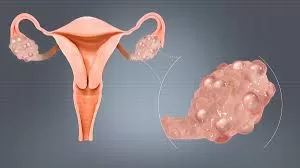
A common misconception in clinical practice is relying solely on pelvic ultrasounds for diagnosis. International guidelines emphasize that ovarian cysts are not strictly required for a PCOS diagnosis.
“A common pitfall in PCOS management is over-relying on ultrasound imagery,” notes Dr. Sunita Kulkarni, an independent senior endocrinologist based in Mumbai. “Under the 2023 International Evidence-Based Guidelines, if an adult presents with clear clinical signs of androgen excess and irregular menstrual cycles, an ultrasound isn’t strictly necessary for diagnosis. PCOS is primarily a metabolic and hormonal disorder, not a structural disease of the ovaries.”
The updated guidelines recommend lifestyle adjustments—balanced nutrition, physical activity, and sleep hygiene—as baseline therapy for all patients, independent of body weight. Pharmacological management is tailored specifically to an individual’s symptoms and reproductive goals.
| Diagnostic Criteria | Clinical Focus | Primary Management Strategy |
| Ovulatory Dysfunction | Irregular, infrequent, or absent periods | Hormonal regulation, ovulation induction |
| Androgen Excess | Hirsutism, severe acne, androgenic alopecia | Anti-androgen therapy, lifestyle adjustments |
| Metabolic Disturbance | Insulin resistance, impaired glucose tolerance | Dietary modification, exercise, insulin sensitizers |
Menopause: Managing a Physiological Transition
Menopause—defined medically as 12 consecutive months without a menstrual period—typically occurs between ages 45 and 55. The years leading up to this transition (perimenopause) involve fluctuating estrogen levels that can trigger vasomotor symptoms (hot flashes and night sweats), sleep disruption, joint pains, genitourinary symptoms, and mood disturbances.
       +-----------------------------------------------------------------+
       |                  THE MENOPAUSAL TRANSITION                      |
       +-----------------------------------------------------------------+
       |                                                                 |
       |  PERIMENOPAL STAGE                    POSTMENOPAUSAL STAGE      |
       |  - Menstrual irregularity             - Absence of menses (>12m) |
       |  - Vasomotor symptoms (hot flashes)   - Accelerated bone loss   |
       |  - Mood fluctuations & sleep changes  - Altered lipid profiles  |
       |                                       - Cardiovascular changes  |
       +-----------------------------------------------------------------+
Beyond immediate physical discomfort, declining estrogen accelerates bone density loss (osteopenia and osteoporosis) and alters lipid profiles, increasing long-term cardiovascular risk.
The public healthcare infrastructure expansion offers a structured setting to evaluate these long-term health risks. Services include routine screening for blood pressure, blood glucose, bone health indicators, and mental health challenges.
The Indian Menopause Society (IMS) emphasizes that treatment strategies, including Menopause Hormone Therapy (MHT), must be strictly individualized based on cardiovascular risk profiles, age, time since menopause, and personal medical history.
Public Health Impact and Implementation Challenges
By offering free or subsidized consultations, diagnostics, and counseling within public facilities, the program removes financial and social barriers for women who might otherwise delay care due to stigma or lack of resources.
+-------------------------------------------------------------------+
|               PUBLIC HEALTH BARRIERS AND SOLUTIONS                |
+-------------------------------------------------------------------+
|  [Traditional Barriers]              [Clinic Network Solutions]   |
|  - Financial constraints          -> - Free / subsidized care     |
|  - Social stigma / silence        -> - Normalized clinical space  |
|  - Diagnostic delays              -> - Standardized evaluation    |
|  - Fragmented care                -> - Integrated referrals       |
+-------------------------------------------------------------------+
However, independent public health analysts emphasize that long-term success will depend on sustained resource allocation and rigorous data tracking.
Operational Metrics to Monitor
-
Diagnostic Consistency: Ensuring rural healthcare providers apply updated international diagnostic criteria for PCOS rather than over-diagnosing based on incidental ultrasound findings.
-
Supply Chain Stability: Maintaining consistent inventories of essential diagnostic kits, basic metabolic medications, and hormone therapies.
-
Interdisciplinary Care: Establishing robust internal referral mechanisms connecting gynaecology, endocrinology, nutrition, and mental health services.
-
Data Transparency: Publishing standardized epidemiological data broken down by demographic parameters, treatment adherence, and clinical outcomes.
Navigating Care: Practical Guidance for Patients
For residents across Maharashtra, the operationalization of these 580 clinics provides a direct avenue for medical evaluation. Healthcare professionals advise women to seek professional evaluation rather than relying on unverified online advice or restrictive “hormone-balancing” diets.
When to Seek Evaluation
-
Adolescents and Young Adults: Unusually persistent cycle irregularity (beyond two years post-menarche), progressive facial hair growth, severe treatment-resistant acne, or unexplained weight shifts.
-
Midlife Women: Sudden menstrual pattern alterations, persistent sleep disturbances, hot flashes, uncharacteristic anxiety, mood changes, or joint pains.
Patients can visit their nearest designated municipal hospital, district center, or sub-district health facility to inquire about scheduled outpatient clinic days for midlife and hormonal health services.
References
Medical Disclaimer: This article is for informational purposes only and should not be considered medical advice. Always consult with qualified healthcare professionals before making any health-related decisions or changes to your treatment plan. The information presented here is based on current research and expert opinions, which may evolve as new evidence emerges.


Happy
0 %

Sad
0 %

Excited
0 %

Sleepy
0 %

Angry
0 %

Surprise
0 %