 0
0
 0
0
MUMBAI — In a major public health intervention aimed at protecting children from the risks of excessive caffeine consumption, the Maharashtra government on Friday announced an immediate ban on the sale of high-caffeine energy drinks within 500 meters of all schools across the state. Food and Drug Administration (FDA) Minister Narhari Zirwal announced the directive in the state assembly following growing alarm among lawmakers and pediatric experts regarding the aggressive marketing and widespread availability of these beverages to minors. Under the new rule, the FDA will launch a statewide enforcement push to inspect vendors, test product samples, and crack down on misleading advertisements that target school-aged consumers.
The legislative crackdown was triggered by sharpening scrutiny over popular, low-cost, high-caffeine drinks like Sting, which have become increasingly staples of daily consumption among adolescents. By restricting access within a 500-meter radius of educational campuses, provincial authorities aim to curtail impulse buying and disrupt a growing youth habit that medical professionals warn could have serious long-term physiological and psychological consequences.
Why Energy Drinks Worry Doctors
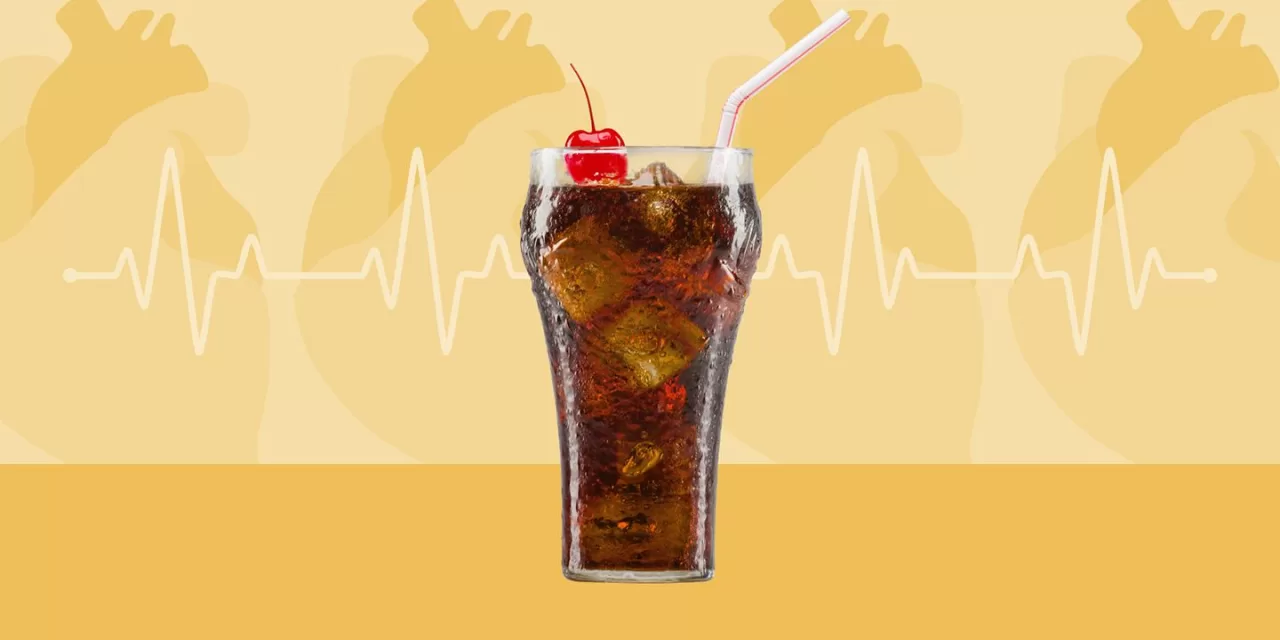
While many consumers treat energy drinks interchangeably with standard soft drinks, pediatricians emphasize that their chemical profiles are vastly different. Energy drinks typically pack concentrated doses of caffeine alongside high loads of added sugar and secondary stimulants such as guarana and taurine. This combination can create a potent synergistic effect, making the actual impact of the beverage much stronger than the labeling might suggest to an untrained eye.
According to guidelines from the American Academy of Pediatrics (AAP), energy drinks are entirely inappropriate for children and adolescents and should be avoided altogether. For teenagers between the ages of 12 and 18, clinical guidance generally caps daily caffeine intake at 100 milligrams (mg) — roughly the amount found in a single standard cup of coffee. However, medical experts emphasize that this threshold is not an endorsement of energy drinks, which lack nutritional value and introduce unnecessary stimulants into developing bodies.
“Children and developing adolescents should strictly avoid beverages combining high sugar and high caffeine loads,” says Dr. Anjali Malhotra, a Mumbai-based pediatric endocrinologist who was not involved in the legislative drafting. “In young populations, these stimulants can trigger poor sleep architecture, acute anxiety, hyperactivity, and attention deficits. When sleep is chronically disrupted during periods of rapid neurodevelopment, it directly undermines mood regulation, cognitive performance in school, and healthy metabolic function.”
What the Medical Evidence Says
The state’s preventive policy aligns closely with a growing body of global clinical data. A comprehensive 2024 systematic review published in the journal Public Health analyzed 57 distinct studies tracking energy drink consumption among youth. The findings revealed a consistent, troubling network of negative outcomes, including:
-
Sleep Deprivation: Shorter sleep duration and severely compromised sleep quality.
-
Academic Impairment: Lower overall school performance and diminished concentration metrics.
-
Behavioral Risks: Strong statistical correlations with smoking, alcohol consumption, and other risky behaviors.
-
Metabolic and Dental Tolls: Higher rates of insulin resistance, dental caries (cavities), and severe erosive tooth wear caused by high acidity and sugar content.
While the review authors carefully noted that more long-term, longitudinal research is required to definitively prove direct causality, the foundational data has long raised red flags. Historical pediatric literature highlights that between 30% and 50% of adolescents regularly consume energy drinks. Furthermore, public health metrics show that youth are uniquely vulnerable to toxic caffeine exposures; for instance, historical data from the Centers for Disease Control and Prevention (CDC) and poison control systems show that nearly half of all reported caffeine overdoses occur in individuals under the age of 19.
India’s Regulatory Backdrop
The emergency action in Maharashtra arrives amid an ongoing, national-level tussle over beverage branding. The Food Safety and Standards Authority of India (FSSAI) has recently issued multiple notices to major beverage manufacturers over alleged misbranding and misleading advertising claims. Notably, the national regulator has clarified that it does not recognize “Energy Drink” as an official, formalized category under existing food safety standards.
This regulatory ambiguity has allowed a dangerous consumer awareness gap to widen. Because these products are heavily marketed under the banner of “energy boosters,” parents and students frequently mistake them for routine carbonated sodas or electrolyte-replenishing sports drinks. Maharashtra’s school-zone restriction directly targets this point of confusion, forcing a structural barrier between young consumers and products with a heavy, stimulant-driven caffeine load.
Public Health Implications and Policy Limits
If enforced consistently across Maharashtra’s dense urban and rural landscapes, the policy could systematically alter the food environment surrounding schools. Beyond reducing impulse purchases during recess or after-school hours, public health specialists hope the ban acts as a catalyst for educational conversations among families, educators, and local vendors.
However, the policy faces clear structural hurdles. Enforcing a strict 500-meter exclusion zone can be notoriously difficult in crowded municipal areas like Mumbai or Pune, where micro-vendors, small kiosks (tapris), and corner grocery stores line almost every street. The long-term success of the mandate will depend entirely on the FDA’s capacity for sustained, routine inspections and the severity of penalties levied against non-compliant vendors.
Furthermore, some critics point out that observational studies cannot entirely untangle whether energy drinks cause behavioral issues, or if teens experiencing high stress and poor sleep simply reach for energy drinks more frequently. Nevertheless, public health authorities defend the measure as a vital “precautionary principle” intervention — limiting youth exposure to highly engineered, potentially risky stimulants before clinical symptoms manifest on a population scale.
Practical Takeaways for Families and Clinicians
For health-conscious consumers, the state’s intervention underscores a vital distinction: energy drinks are a distinct class of stimulants, not a standard refreshment.
-
For Parents: Medical experts advise reading nutrition labels carefully for hidden stimulants like guarana, taurine, or excessive B-vitamins. Families should treat these beverages as off-limits for children and ensure that hydration needs are met through water, milk, or natural, un-caffeinated alternatives.
-
For Schools: Educational institutions can support the ban by removing high-caffeine beverages from school cafeterias and integrating fundamental nutritional literacy into health curricula.
-
For Healthcare Professionals: Pediatricians and general practitioners are urged to routinely screen young patients for energy drink consumption. When evaluating common complaints like chronic headaches, unexplained palpitations, anxiety, or sudden declines in school performance, a quick screening question about beverage habits can uncover an easily modifiable lifestyle factor.
References
-
NDTV. Maharashtra Bans Sale Of Energy Drinks Within 500 Metres Of Schools. July 3, 2026.
Medical Disclaimer: This article is for informational purposes only and should not be considered medical advice. Always consult with qualified healthcare professionals before making any health-related decisions or changes to your treatment plan. The information presented here is based on current research and expert opinions, which may evolve as new evidence emerges.