 0
0
 0
0
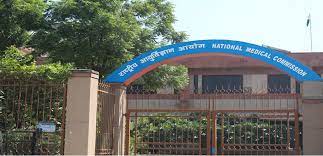
MADURAI — In a landmark decision that highlights the growing tension between regulatory oversight and professional autonomy, the Madurai Bench of the Madras High Court issued an interim stay on May 2, 2026, regarding the National Medical Commission’s (NMC) 75% attendance mandate for postgraduate (PG) medical faculty. Justice Hemant Chandangoudar paused the enforcement of the controversial rule, which was intended to eliminate “ghost faculty” but has instead sparked a nationwide debate over faculty workload, burnout, and the practicalities of modern medical education.
The Genesis of the Mandate
The attendance requirement, codified in the February 2026 amendment to the Postgraduate Medical Education Regulations (PGMER), required all faculty members to be physically present for at least 75% of total working days. This mandate was backed by the Attendance and e-Biometric Attendance System (AEBAS), a digital tracking tool designed to ensure faculty are full-time employees and are not engaging in private practice during official college hours.
The NMC’s push for stricter monitoring follows a series of “ghost faculty” scandals. In 2023, data revealed that over 350 medical colleges were issued show-cause notices for attendance deficiencies. These “phantom” professors exist on paper to help institutions meet minimum regulatory requirements for accreditation but are rarely present to teach or mentor students.
A Conflict of Triple Roles
While the NMC views the 75% threshold as a necessary baseline for quality assurance, medical educators argue the rule is too rigid for the multifaceted nature of their profession. Faculty members in PG institutions are expected to balance three distinct roles:
-
Clinical Duties: Direct patient care in hospital wards and operating theaters.
-
Teaching: Mentoring residents and conducting classroom lectures.
-
Research: Conducting studies and attending academic conferences for professional growth.
Petitioners in the Madras High Court case argued that the 75% requirement—calculated over approximately 250 working days—fails to account for off-site research, emergency clinical duties, and essential medical conferences. Unlike students, who can often attend “compensatory classes” to make up for lost time, faculty members face immediate financial penalties or termination for failing to hit the biometric target.
Expert Perspectives: A Divided Medical Community
The ruling has split the medical community into two distinct camps. Those in favor of the stay emphasize the human cost of the mandate, while those against it fear a decline in educational rigor.
“The intent to curb ghost faculty is noble; studies have shown faculty vacancies as high as 30% in some states,” says Dr. Rishi Kumar, a former medical college dean. “However, the current AEBAS system is a blunt instrument. It doesn’t recognize when a professor is at a national conference representing their institution or performing a life-saving surgery in a different wing of the hospital.”
Conversely, Dr. Priya Sharma, President of the Indian Association of Medical Teachers, believes the stay could be a step backward. “Postgraduate training is essentially an apprenticeship. If the mentors aren’t there, the quality of our future specialists suffers. A 2024 survey showed that 40% of residents felt they lacked consistent supervision. We need the NMC to refine the system, not scrap the standard.”
Public Health Implications: The “Doctor Gap”
The outcome of this legal battle has significant stakes for the Indian public. India currently struggles with a physician-to-population ratio that remains below the World Health Organization’s recommended 1:1,000 ratio, particularly in specialized fields like cardiology and neurosurgery.
-
Quality of Care: A 2023 study published in The Lancet found that supervised residencies resulted in a 15% reduction in clinical error rates in Indian hospitals. If faculty attendance remains inconsistent, the next generation of specialists may enter the workforce underprepared.
-
Brain Drain: Critics of the 75% rule warn that high-pressure environments and rigid tracking might drive talented specialists toward the private sector or abroad, further thinning the ranks of public medical education.
Limitations of the Biometric Approach
Beyond the philosophical debate, practical limitations of the AEBAS technology have frustrated faculty. In many rural medical colleges, frequent power outages or poor internet connectivity lead to “false absences.” Furthermore, the current regulations do not provide clear pathways for maternity leave or emergency family leave for female faculty members, who represent a growing segment of the medical workforce.
The NMC has suggested that colleges hire “locum” (temporary) faculty to fill gaps, but hospital administrators argue that the administrative lag in hiring makes this an unrealistic solution for short-term absences.
The Road Ahead
The Madras High Court has scheduled further hearings to determine if the 75% rule is “proportionate” to its goal. The decision will likely serve as a precedent for other states where faculty unions are considering similar legal challenges.
For the average citizen, this debate underscores the importance of institutional transparency. Public health advocates suggest that patients and students should use the NMC’s official website to check the accreditation and faculty status of medical institutions.
As the court weighs the evidence, the medical community waits to see if the NMC will propose a “middle ground”—perhaps a tiered attendance system that grants biometric credit for research and clinical outreach—or if the judiciary will force a total overhaul of how medical education is monitored in India.
Reference Section
- https://medicaldialogues.in/health-news/nmc/madras-hc-stays-nmc-rule-mandating-75-percent-attendance-for-pg-medical-faculty-169840
Medical Disclaimer: This article is for informational purposes only and should not be considered medical advice. Always consult with qualified healthcare professionals before making any health-related decisions or changes to your treatment plan. The information presented here is based on current research and expert opinions, which may evolve as new evidence emerges.