 0
0
 0
0
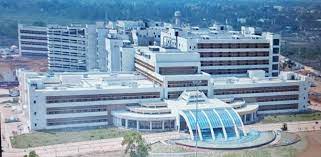
BENGALURU – In a transformative move for the integration of traditional medicine and modern science, the Central Ayurveda Research Institute (CARI), Bengaluru, has officially become the first institute under the Central Council for Research in Ayurvedic Sciences (CCRAS) to achieve the prestigious ISO 15189:2022 accreditation.
Announced on April 11, 2026, by the Ministry of Ayush, this global recognition for the institute’s clinical laboratory covers both Biochemistry and Haematology departments. The accreditation marks a departure from “entry-level” certifications toward a gold-standard excellence that ensures diagnostic results from CARI are internationally recognized for their precision, safety, and reliability.
Elevating Ayush to Global Standards
The ISO 15189:2022 is not merely a certificate; it is the international benchmark for quality and competence in medical laboratories. For a traditional medicine-focused institute like CARI, this transition signals a commitment to evidence-based practice.
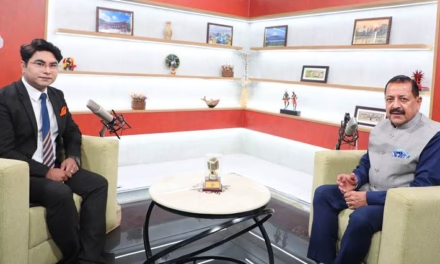
Shri Prataprao Jadhav, Hon’ble Minister of State (Independent Charge) for the Ministry of Ayush, emphasized the public health implications:
“Accreditation to international standards ensures that patients receive reliable and precise diagnostic services, which are essential for effective treatment and improved health outcomes. This achievement showcases how the Ministry is steadily transforming Ayush infrastructure into a benchmark of quality.”
The clinical lab now holds NABL (National Accreditation Board for Testing and Calibration Laboratories) accreditation for 50 specific parameters. These include:
-
Metabolic Markers: Blood glucose and HbA1c.
-
Organ Function: Liver and Kidney function tests (LFT/KFT).
-
Hormonal & Vital Profiles: Lipid and Thyroid profiles, along with electrolytes.
-
Blood Disorders: Complete blood counts (CBC).
From Semi-Automated Roots to Digital Excellence
The journey to this milestone reflects a rapid technological evolution. What began as a modest facility with a single semi-automated biochemistry analyzer has matured into a high-capacity center. Under the Centre of Excellence Scheme, the lab was upgraded with fully automated systems and digital reporting tools.
Today, the lab’s impact is quantifiable. In the 2025–26 period alone, it conducted over 1.52 lakh investigations for more than 9,300 patients. This efficiency is bolstered by a digital-first approach, providing patients with reports via SMS, email, and WhatsApp—significantly reducing turnaround times.
Vaidya Rajesh Kotecha, Secretary of the Ministry of Ayush, noted that this is a landmark step in “integrating high-quality diagnostics with traditional systems of medicine.” It addresses a long-standing critique of traditional medicine by providing the “language of modern biology”—reliable data—to support Ayurvedic treatments.
Surge in Public Trust: The Numbers
The accreditation comes at a time of unprecedented growth for CARI Bengaluru. According to recent data provided by the institute, public engagement has skyrocketed over the last five years:
| Metric | 2021 | 2026 | Growth |
| OPD Footfall | 18,918 | 51,300+ | ~170% |
| Lab Investigations | 2,770 | 1,55,000+ | ~5,500% |
| Procedures (Panchakarma) | Baseline | 20x Increase | 2,000% |
Since launching inpatient services in July 2024, the institute reports that bed occupancy has reached nearly full capacity, signaling a high demand for integrative care—where modern diagnostics meet traditional healing.
Expert Perspectives and Public Health Impact
While the accreditation is a victory for the institute, independent experts see broader implications for the healthcare landscape.
“The 2022 version of ISO 15189 places a much heavier emphasis on risk management and patient safety than previous iterations,” says Dr. Anjali Nayak, a clinical pathologist not affiliated with the study. “For an Ayurveda research center to meet these rigorous standards means their data can now be used in international clinical trials with the same weight as any modern multispeciality hospital.”
However, some medical historians and practitioners urge a balanced view. While high-tech diagnostics aid in safety and monitoring, they remind the public that Ayurveda’s holistic “Prakriti” (constitution) assessments remain a distinct, qualitative science that works alongside, rather than solely through, blood markers.
What This Means for You
For the average health-conscious consumer, this accreditation offers three primary benefits:
-
Accuracy: You can trust that your blood work is as accurate as that from any top-tier private lab.
-
Affordability: As a government-backed research institute, CARI provides these high-standard tests at accessible rates.
-
Holistic Monitoring: If you are undergoing Ayurvedic treatment for chronic conditions like diabetes or thyroid issues, you can monitor your progress using the same biochemical markers used in conventional medicine.
Dr. Sulochana Bhat, Head of CARI Bengaluru, credited the achievement to the “sincere efforts of Dr. Vidyashree Anchan and the entire team,” noting that the institute is already eyeing further expansion of its accredited test menu.
Medical Disclaimer
Medical Disclaimer: This article is for informational purposes only and should not be considered medical advice. Always consult with qualified healthcare professionals before making any health-related decisions or changes to your treatment plan. The information presented here is based on current research and expert opinions, which may evolve as new evidence emerges.
References
Official Sources & Reports:
-
PIB Delhi (2026). CARI Bengaluru Becomes First CCRAS Institute to Achieve ISO 15189:2022 Accreditation. Posted 11 April 2026.