 0
0
 0
0
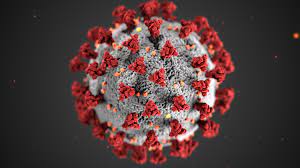
KOLKATA, India — Private hospitals across Kolkata have reported a new cluster of COVID-19 admissions this week, signaling that the SARS-CoV-2 virus remains an active clinical concern alongside a broader seasonal uptick in respiratory infections.
Local hospital reports indicate that at least three adult patients are currently admitted and receiving active medical care for COVID-19, while a 10-year-old boy from Kolkata’s Garia neighborhood was hospitalized earlier this week after developing severe respiratory symptoms. While the majority of seasonal viral patients are recovering smoothly with standard supportive care, medical staff emphasized that a subset of COVID-19 cases required intensive care monitoring due to dropping blood oxygen saturation levels.
Clinical Observations: From Mild Illness to ICU Monitoring
The clinical presentations observed in Kolkata highlight a wide spectrum of illness severity, mirroring long-term epidemiological patterns established since the acute phase of the pandemic ended.
According to Dr. Subhajit Sen, a consultant pulmonologist and critical care specialist at a local private facility, the hospital is treating three active COVID-19 patients, while another patient recently recovered and was cleared for discharge. Two of the hospitalized adults initially required Intensive Care Unit (ICU) admission after their oxygen levels dropped below normal thresholds. Both patients have since stabilized under medical supervision.
In a separate incident highlighting pediatric vulnerability to seasonal pathogens, a 10-year-old boy presented with high fever, persistent cough, and shortness of breath before testing positive for COVID-19.
“We are currently witnessing a rise in seasonal viral infections, particularly influenza and Covid-19,” said Dr. Sen. He emphasized that clinicians are evaluating patients presenting with fever, cough, and breathlessness carefully before finalizing a diagnosis, as symptoms frequently overlap.
Summary of Recent Hospital Cases
| Patient Category | Primary Symptoms | Clinical Outcome / Status |
| Adult Patients (3) | Oxygen desaturation, persistent fever, cough | 2 stabilized in ICU; 1 in general ward |
| Pediatric Case (10-year-old) | High fever, cough, shortness of breath | Admitted for supportive treatment |
| Recovered Patient (1) | Mild to moderate respiratory distress | Successfully discharged |
Epidemiological Context in West Bengal
The recent admissions in Kolkata are set against a backdrop of periodic, localized fluctuations in COVID-19 activity across West Bengal. Historical surveillance data demonstrates that the state experiences intermittent surges in infection counts:
-
May–June 2025: Local health authorities noted a rise in active cases, recording over 40 fresh infections in early June and prompting heightened hospital preparedness across Kolkata.
-
May 2025: State reports tracked roughly 30 active cases in West Bengal during a brief summer uptick.
-
January 2024: A similar modest surge brought active cases to 30 statewide during winter viral circulation.
To manage potential surges without disrupting general medical services, the Department of Health and Family Welfare, Government of West Bengal, maintains designated hospital infrastructure for handling COVID-19 admissions. These guidelines categorize care facilities to manage low-risk patients separately from severe cases requiring advanced oxygen support or mechanical ventilation.
Epidemiologists note that hospital admissions represent only the visible portion of community transmission. When multiple hospitalizations occur within a short window, it indicates that routine testing, contact precautions, and institutional infection control must remain vigilant.
Expert Perspectives and Public Health Guidance
Independent public health experts view these admissions not as a sign of an impending crisis, but as an essential reminder that SARS-CoV-2 has established itself alongside endemic pathogens like Influenza A/B and Respiratory Syncytial Virus (RSV).
The World Health Organization (WHO) and India’s Ministry of Health and Family Welfare continue to advise health centers to maintain integrated surveillance for severe acute respiratory infections (SARI) and influenza-like illnesses (ILI).
Medical professionals emphasize that early clinical evaluation is crucial when symptoms escalate, particularly for high-risk demographics, including:
-
Adults aged 65 and older
-
Individuals with underlying conditions (asthma, diabetes, cardiovascular disease)
-
Pregnant women and young children
-
Immunocompromised individuals
Testing helps clinicians differentiate COVID-19 from influenza or bacterial pneumonia, allowing for timely antiviral administration or targeted supportive care.
What Readers Should Know: Prevention and Action
For healthy individuals, mild COVID-19 or flu-like symptoms generally resolve with home rest, proper hydration, and over-the-counter symptom management. However, health authorities stress that symptoms should never be ignored if breathing becomes difficult.
When to Seek Immediate Medical Attention
-
Difficulty breathing or severe shortness of breath
-
Persistent pain or pressure in the chest
-
New confusion or difficulty waking up
-
Pale, gray, or blue-colored skin, lips, or nail beds
Routine Preventive Measures
To lower the risk of acquiring or spreading respiratory infections during local seasonal surges:
-
Maintain good ventilation in indoor environments by opening windows or using air filtration.
-
Wear a well-fitted mask in crowded indoor or healthcare settings, especially when visiting vulnerable individuals.
-
Practice hand hygiene by washing hands frequently with soap and water or using alcohol-based hand rub.
-
Stay home when unwell to prevent passing viral pathogens to coworkers, classmates, and family.
Study Limitations and Reporting Caution
It is important to evaluate these developments with proper perspective. This report relies on real-time hospital statements and regional news coverage rather than an exhaustive epidemiological registry or peer-reviewed clinical trial.
A small cluster of hospitalizations does not automatically indicate a widespread community outbreak. Patient admissions can be driven by pre-existing co-morbidities or precautionary measures taken by families and physicians when treating young children or elderly individuals. Continued monitoring by state health authorities will determine whether these cases reflect a temporary cluster or a broader trend.
References
-
NDTV Health. “Three Persons Infected With Covid-19 Admitted To Private Hospital In Kolkata.” Published July 20, 2026.
Medical Disclaimer: This article is for informational purposes only and should not be considered medical advice. Always consult with qualified healthcare professionals before making any health-related decisions or changes to your treatment plan. The information presented here is based on current research and expert opinions, which may evolve as new evidence emerges.