 0
0
 0
0
THIRUVANANTHAPURAM — In a landmark shift for regional biosecurity, the Kerala Health Department has formally designated April through September as a “high-risk window” for the Nipah virus (NiV), moving away from reactive crisis management toward a permanent seasonal surveillance model.
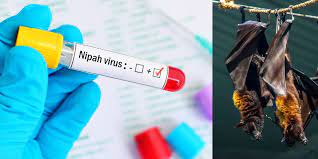
The alert, issued this week, transitions the state’s healthcare infrastructure into a high-readiness phase. Drawing on data from recurrent outbreaks since 2018, officials are now treating these six months as a predictable period for potential “spillover”—the moment the virus jumps from its natural reservoir, the fruit bat (Pteropus), into the human population.
While no active cases have been reported as of late March 2026, the directive mandates that hospitals, clinicians, and community health workers in high-risk districts remain on heightened alert for the duration of the pre-monsoon and early monsoon seasons.
The Science Behind the Calendar: Why April to September?
Public health officials and ecologists in Kerala have identified a clear temporal pattern in NiV activity. Most historical “spillover” events in the state cluster during the transition from the dry season to the monsoon.
This window aligns with two critical ecological factors:
-
Fruiting Cycles: The abundance of fruit-bearing trees during these months draws bats into closer proximity to human settlements and livestock.
-
Bat Physiology: Increased bat movement and breeding patterns during this period raise the likelihood of bat saliva, urine, or partially eaten fruits entering the human food chain.
By concentrating contact-tracing resources and laboratory readiness in this specific half-year window, the state aims to identify “Patient Zero” (the index case) days or weeks earlier than in previous years, effectively “snuffing out” the virus before it can reach the stage of a community outbreak.
Understanding the Nipah Threat
Nipah virus is a zoonotic paramyxovirus that ranks among the world’s most dangerous pathogens. According to the World Health Organization (WHO), the global case-fatality rate ranges from 40% to 75%, though recent data from Indian outbreaks suggests mortality can exceed 80% in some localized clusters.
Symptoms and Progression
Infection can be deceptive, beginning with non-specific symptoms such as:
-
High-grade fever and headache
-
Cough and respiratory distress
-
Vomiting and muscle pain
As the disease progresses, it often attacks the central nervous system, leading to acute encephalitis (brain inflammation). Patients may experience disorientation, seizures, and coma. Currently, there is no licensed vaccine or specific antiviral treatment for NiV, making early supportive care and strict isolation the only viable interventions.
From Reaction to Prevention: Kerala’s New Strategy
Since its first devastating encounter with the virus in 2018—which resulted in 21 deaths across Kozhikode and Malappuram—Kerala has become a global case study in outbreak containment. Despite the virus’s high lethality, the state has repeatedly managed to halt transmission within weeks through aggressive “ring-fencing” and contact tracing.
The 2026 seasonal alert formalizes this expertise into a repeatable protocol. Under this new mandate:
-
Clinical Vigilance: Emergency departments must consider Nipah as a differential diagnosis for any patient presenting with fever combined with confusion or severe respiratory issues.
-
Resource Pre-positioning: Hospitals are required to audit and pre-stock N95 respirators, gowns, and face shields to ensure “Day 1” protection for staff.
-
Enhanced Diagnostics: State laboratories have been put on “warm status” to ensure rapid turnaround for samples from suspected cases.
“Nipah is uncommon at the population level, but when it does occur, it can be catastrophic if not caught early,” says Dr. Aparna Mukherjee, an infectious disease specialist in southern India. “By aligning heightened surveillance with the known ecological window, Kerala reduces the risk of being blindsided by a cluster in a hospital or a village.”
A “One Health” Model for the Region
Kerala’s proactive approach is rooted in the “One Health” philosophy, which recognizes that human health is inextricably linked to the health of animals and the environment. By mapping bat roosts and monitoring changes in fruit-growing regions, the state is attempting to predict where the next spillover might occur.
Experts emphasize that this alert should not cause panic. “The alert should not be read as a sign that Nipah is suddenly spreading widely,” noted one public health researcher. “Incidence remains low, but the high fatality rate justifies this level of preparedness, particularly in districts with prior histories of the virus.”
Practical Advice for Residents and Travelers
For those living in or visiting Kerala and neighboring regions, health authorities recommend simple yet effective behavioral changes during this window:
-
Fruit Safety: Do not consume fruits that show signs of bird or bat bites (punctures or tears). Wash all fruits thoroughly and peel them whenever possible.
-
Beverage Precautions: Avoid raw date-palm sap or fresh juices that have been left in open containers where bats may have had access.
-
Livestock Awareness: Keep domestic animals away from areas where bats are known to roost.
-
Prompt Reporting: Seek immediate medical attention for sudden onset of fever accompanied by confusion or difficulty breathing.
The Global Context
While the WHO currently rates the national and global risk of Nipah as low due to its limited human-to-human transmission, it remains a “Priority Pathogen” for research and development. The seasonal alert system in Kerala may soon serve as a template for other NiV-prone regions, such as West Bengal and parts of Bangladesh, as they navigate the intersection of climate change, habitat loss, and infectious disease.
Medical Disclaimer: This article is for informational purposes only and should not be considered medical advice. Always consult with qualified healthcare professionals before making any health-related decisions or changes to your treatment plan. The information presented here is based on current research and expert opinions, which may evolve as new evidence emerges.
References
- https://www.ndtv.com/health/kerala-issues-nipah-virus-alert-from-april-to-september-2026-based-on-previous-outbreak-patterns-11257957