 0
0
 0
0
ERNAKULAM, KERALA — Health authorities in Kerala have launched an aggressive containment strategy following the detection of localized chikungunya clusters in Ernakulam district. As of April 14, 2026, officials have identified a total of nine confirmed and 19 suspected cases centered in the Kunnukara and Chengamanad panchayats. The rapid response, which includes door-to-door inspections and strict enforcement of public health bylaws, aims to prevent the viral outbreak from escalating into a district-wide crisis during a period of heightened regional vulnerability.
Targeted Response in Kunnukara and Chengamanad
The current surge is concentrated in two primary pockets. Kunnukara remains the most affected area, accounting for 24 total cases (six confirmed and 18 suspected). Meanwhile, Chengamanad has reported four cases, with three already laboratory-confirmed.
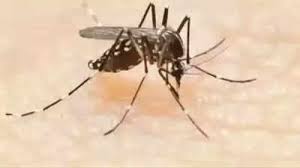
In response, the District Medical Office (DMO) has deployed rapid response teams to conduct “source-reduction” drives. These teams are focusing on identifying micro-breeding sites—small pools of stagnant water where the Aedes mosquito thrives.
Under the Kerala Public Health Act, 2023, authorities have issued a stern reminder to the public: maintaining premises that allow mosquito breeding is a punishable offense. Property owners, including those managing construction sites and rubber plantations, could face fines of up to ₹10,000 if they fail to clear standing water.
The Invisible Threat: Why Chikungunya Demands Vigilance
Chikungunya is a viral disease transmitted to humans by infected Aedes aegypti and Aedes albopictus mosquitoes. While rarely fatal, the disease is notorious for causing “bent-over” posture due to excruciating joint pain—a hallmark reflected in its name, derived from the Kimakonde language.
According to the World Health Organization (WHO), the primary symptoms include:
-
Sudden onset of high fever
-
Severe, often debilitating, joint pain (arthralgia)
-
Muscle pain and headaches
-
Nausea, fatigue, and skin rashes
“The challenge with chikungunya is its clinical similarity to dengue and Zika,” says Dr. Anjali Sood, an infectious diseases specialist who has monitored regional outbreaks. “Because these viruses are often co-circulating, a precise diagnosis is critical. Treating a suspected case with certain anti-inflammatory drugs before ruling out dengue can increase the risk of hemorrhaging.”
The Centers for Disease Control and Prevention (CDC) emphasizes that there is no specific antiviral medicine for chikungunya. Clinical management is purely supportive, focusing on rest, fluids, and medications to reduce fever and pain.
A Global and National Public Health Challenge
The localized alert in Ernakulam is set against a backdrop of increasing viral activity. In 2025, the WHO reported over 445,000 cases and 155 deaths globally, signaling that the virus continues to exploit urban density and climate-driven mosquito expansion.
In India, chikungunya remains endemic. Research published in Scientific Reports in July 2025 highlighted that the disease remains a persistent public health issue, often resurfacing in cycles as community immunity wanes or environmental conditions favor the vector.
“When local transmission begins, early case detection and aggressive mosquito-source removal matter more than waiting for hospitals to fill up,” Dr. Sood noted in a telephone interview. She emphasized that because Aedes mosquitoes are “container breeders” that live in and around human dwellings, community participation is the only effective barrier against a surge.
Practical Prevention: What Residents Need to Know
Health officials are urging a “Dry Day” observance once a week, where residents systematically empty water from flowerpot saucers, discarded tires, birdbaths, and coconut shells.
Personal Protection Measures
The CDC and local health departments recommend a multi-layered approach to prevention:
-
Use Repellents: Apply EPA-registered insect repellents containing DEET, Picaridin, or IR3535.
-
Wear Protective Clothing: When outdoors, opt for long-sleeved shirts and long trousers.
-
Secure the Home: Use window and door screens. If sleeping during the day (when Aedes mosquitoes are most active), use insecticide-treated bed nets.
-
Seek Early Care: If you develop a sudden fever accompanied by joint pain, consult a healthcare provider immediately. Avoid self-medicating with aspirin or other non-steroidal anti-inflammatory drugs (NSAIDs) until dengue has been ruled out by a professional.
Limitations and the Path Forward
While the current numbers in Ernakulam appear modest, experts warn against complacency. Chikungunya is historically underreported due to its similarity to other febrile illnesses and the limited availability of molecular testing in rural areas. The current data serves as a “sentinel signal”—a warning that the virus is actively circulating in the community.
The success of the containment effort in Ernakulam will depend on whether authorities can successfully bridge the gap between surveillance and citizen action. For now, the message from health officials is clear: vigilance, not panic, is the tool required to break the chain of transmission.
Medical Disclaimer
Medical Disclaimer: This article is for informational purposes only and should not be considered medical advice. Always consult with qualified healthcare professionals before making any health-related decisions or changes to your treatment plan. The information presented here is based on current research and expert opinions, which may evolve as new evidence emerges.
References
Government & News Sources:
-
Kerala Health Department / District Medical Office, Ernakulam. Surveillance Report, April 14, 2026.
-
The Economic Times Health. “Chikungunya cases reported in Ernakulam, Kerala steps up surveillance.” April 14, 2026.