 0
0
 0
0
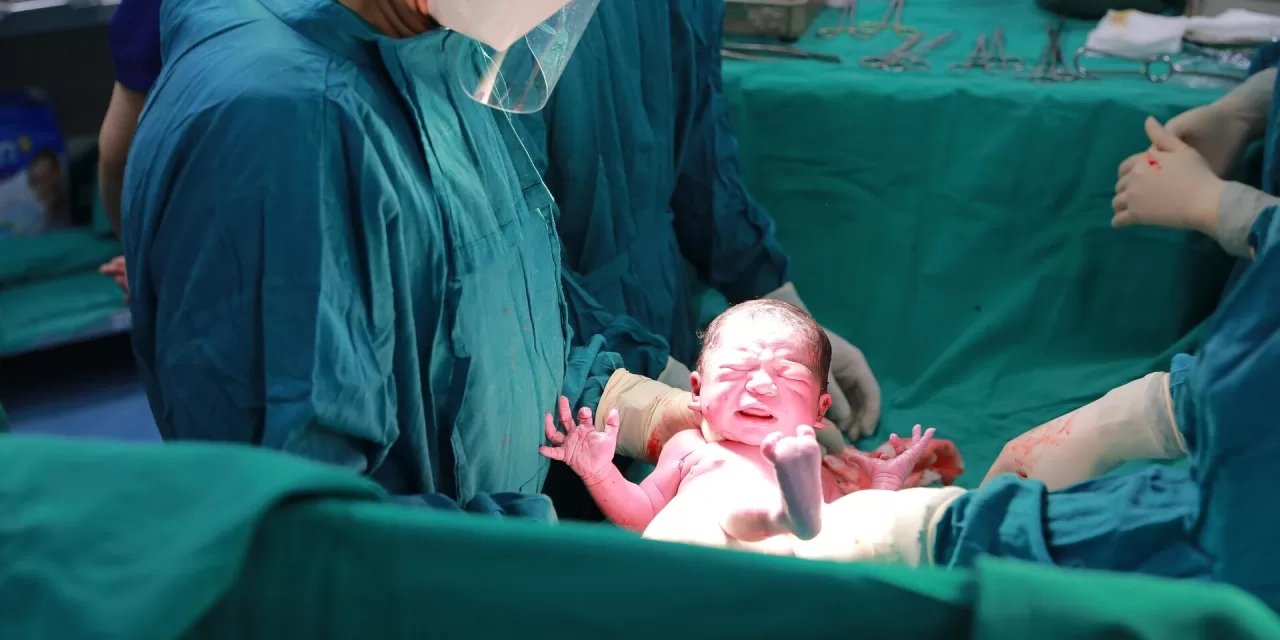
BENGALURU — Almost half of all births in Karnataka are now delivered via surgical intervention, according to new government health survey data, highlighting a sharp and widening divide between public and private healthcare facilities.
The latest National Family Health Survey (NFHS-6, 2023–24) reveals that Karnataka’s caesarean section (C-section) rate has escalated to 45.7%, up from 31.5% in NFHS-5. The surge is overwhelmingly concentrated in the private sector, where 63% of deliveries were performed surgically, compared to 34% in public hospitals. The findings raise urgent concerns among public health advocates, obstetricians, and policymakers regarding provider incentives, clinical necessity, and the over-medicalization of routine childbirth across the state.
The Data: A Widening Sectoral Rift
The sharp increase in surgical births in Karnataka reflects a broader national pattern. Across India, institutional deliveries—births occurring within medical facilities—have risen steadily, driven by policy initiatives designed to reduce maternal and neonatal mortality. However, health experts emphasize that higher rates of hospital births do not automatically translate to better care if surgical procedures are performed without clear clinical justification.
+-----------------------------------------------------------------------+
|                 KARNATAKA C-SECTION RATES (NFHS-6)                    |
|                                                                       |
|  Overall State Rate :  [####################.........]  45.7%         |
|  Private Facilities :  [#############################]  63.0%         |
|  Public Facilities  :  [###############..............]  34.0%         |
|                                                                       |
|  WHO Recommended    :  [#####........................]  10.0% - 15.0% |
+-----------------------------------------------------------------------+
While surgical access in public facilities has expanded to serve high-risk pregnancies, the disproportionate density of C-sections in private hospitals has drawn significant scrutiny.
Why Health Experts Are Concerned
The World Health Organization (WHO) maintains that population-level C-section rates above 10% to 15% offer no additional mortality benefits for mothers or newborns. Beyond this threshold, higher rates do not correspond to improved maternal or neonatal outcomes.
“When surgical rates approach 50% across a state, we are no longer looking at purely medical indications,” notes a senior public health researcher in Bengaluru. “The growth of private healthcare has introduced commercial dynamics into labor wards, where time management and financial incentives can subtly skew clinical decision-making.”
This observation aligns with empirical research on health provider behavior in India:
-
Preventable Surgeries: A study conducted by researchers at the Indian Institute of Management Ahmedabad (IIMA) estimated that approximately 900,000 unplanned C-sections performed in private hospitals across India in a single year were potentially preventable, attributing the trend in part to physician-induced demand and scheduling convenience.
-
Facility Type Correlation: A comprehensive analysis published in JAMA Network Open similarly demonstrated that delivery in a private facility was one of the strongest independent determinants of receiving a C-section in India, even after controlling for maternal age, socio-economic status, and urban-rural divisions.
While these studies do not suggest that every private surgical birth is medically unnecessary, they underscore how systemic and economic factors can influence clinical practice.
The Medical Reality: Risks and Indications
A C-section is a major abdominal surgery. When performed for valid medical reasons—such as fetal distress, obstructed labor, placental abruption, umbilical cord prolapse, or severe maternal hypertension—it is a vital, life-saving intervention.
However, when performed unnecessarily, the procedure introduces avoidable clinical risks:
                  +-----------------------------------+
                  |      Surgical Delivery Risks      |
                  +-----------------------------------+
                                    |
          +-------------------------+-------------------------+
          |                                                   |
          v                                                   v
  [ Maternal Risks ]                                  [ Future Pregnancies ]
  * Surgical site infection                           * Uterine rupture risk
  * Excessive blood loss                              * Placenta accreta spectrum
  * Prolonged physical recovery                       * Repeat surgical necessity
To understand the balance, consider an emergency braking system in an automobile: it is a critical safety feature designed to prevent catastrophic harm during a crisis, but using it routinely for everyday stopping introduces unnecessary wear, risk, and mechanical stress. Modern maternity care systems are designed to preserve that balance, keeping major surgery as an emergency backup rather than a standard pathway.
Public Health and Policy Implications
For Karnataka, the latest figures raise complex questions about informed consent, clinical auditing, and the structure of obstetric care. As healthcare choices increasingly shift toward private institutions, market forces can influence clinical routines in ways that do not always align with evidence-based practice.
Public health professionals emphasize several systemic measures to address the surge:
-
Midwife-Led Care: Establishing robust, accredited midwife-led care units for low-risk pregnancies to reduce unnecessary interventions.
-
Standardized Audits: Implementing the Robson Classification system—a global standard for auditing C-section indications—across both public and private hospitals.
-
Continuous Labor Support: Strengthening antenatal counseling and ensuring one-on-one labor support, which has been clinically proven to lower intervention rates.
Karnataka’s challenge reflects a national debate across India: ensuring that women who require emergency surgery receive it promptly, while protecting women from undergoing major surgery when low-risk vaginal delivery is clinically appropriate.
Counterpoints and Clinical Realities
While the population-level numbers point toward over-utilization, health authorities emphasize that raw statistics require nuanced interpretation.
-
Case-Mix Complexity: Private tertiary centers frequently manage a higher proportion of complex, high-risk pregnancies, older maternal demographics, and pregnancies resulting from assisted reproductive technology (ART). These clinical profiles naturally carry a higher baseline recommendation for surgical delivery.
-
Avoiding Delayed Care: Obstetricians caution against over-regulating or penalizing surgical decisions, as fear of administrative scrutiny can lead to delayed decision-making during real intrapartum emergencies, putting maternal and fetal health at risk.
The primary objective is not to stigmatize surgical delivery, but to ensure that clinical necessity remains the sole driver of obstetric interventions.
Practical Guidance for Expectant Families
For expectant parents preparing a birth plan, early communication and clear information are essential tools for navigating maternal care decisions.
                              +--------------------------+
                              |   Birth Planning Steps   |
                              +--------------------------+
                                           |
     +-------------------------------------+-------------------------------------+
     |                                     |                                     |
     v                                     v                                     v
[ Early Dialogue ]                   [ Ask Questions ]                    [ Seek Clarity ]
Discuss birth preferences            Inquire about indications             Request a second opinion
during antenatal visits.             if a C-section is advised.            for non-emergency decisions.
Key Questions to Ask Your Care Team
-
What are the specific medical reasons for recommending a C-section in my situation?
-
Are there safe, evidence-based alternatives or additional monitoring options available right now?
-
How does the hospital support low-risk, natural labor progression?
When a C-section is recommended for non-emergency reasons in a low-risk pregnancy, seeking a second opinion from an independent specialist can help parents make well-informed decisions. Informed consent should always represent an active dialogue regarding risks, benefits, and clinical alternatives.
Medical Disclaimer
This article is for informational purposes only and should not be considered medical advice. Always consult with qualified healthcare professionals before making any health-related decisions or changes to your treatment plan. The information presented here is based on current research and expert opinions, which may evolve as new evidence emerges.
References
- https://health.economictimes.indiatimes.com/news/industry/c-sections-in-karnataka-rise-private-sector-drives-spike-national-family-health-survey/132504311?utm_source=latest_news&utm_medium=homepage