 0
0
 0
0
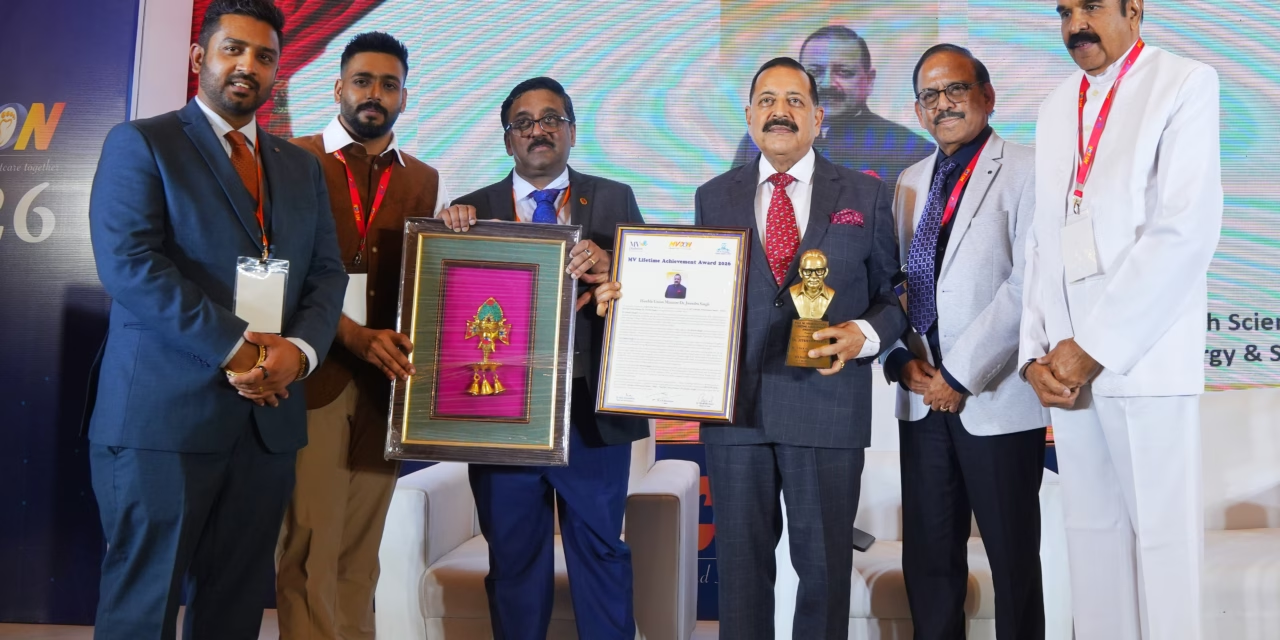
CHENNAI — In a move that highlights the intersection of clinical excellence and public health advocacy, Union Minister Dr. Jitendra Singh was conferred a Lifetime Achievement Award in Medicine and Diabetes at the Chennai National Medical Meet (MVCON 2026) on March 20, 2026. This prestigious honor, his second lifetime achievement award in less than two years, recognizes a multi-decade career that has bridged the gap between traditional bedside clinical diagnosis and the burgeoning era of Artificial Intelligence in healthcare. The award citation lauded Dr. Singh for his “outstanding contribution as a distinguished medical professional, author, and advocate for advancing diabetes care,” highlighting his role in shaping India’s response to the growing metabolic disease epidemic.
From Clinical Rigor to Technological Frontiers
The ceremony took place at the inaugural MVCON 2026, organized by the M.V. Hospital for Diabetes and the Prof. M. Viswanathan Diabetes Research Centre (MVDRC). The venue itself is steeped in medical history; founded in 1954 by the late Prof. M. Viswanathan, often cited as the “Father of Diabetology” in India, the institution has been at the forefront of the nation’s fight against the “silent killer.”
Upon receiving the award, Dr. Singh, a Professor of Medicine and Endocrinology by training, reflected on the seismic shifts he has witnessed in the medical landscape.
“I have been a witness to an amazing transition,” Dr. Singh remarked, recalling an era where diagnosis relied almost exclusively on meticulous clinical examination and patient history. Today, he noted, the field is increasingly driven by technology and AI. However, he cautioned that while technology is a powerful tool, the “human element” remains the bedrock of medicine.
The Pillars of a Medical Career
Dr. Singh attributed his success to three core pillars:
-
Early Grooming: Formative education at Stanley Medical College, Chennai.
-
Mentorship: Guidance from post-independence medical stalwarts.
-
Medical Ethics: The necessity of being a “good human being” to earn public trust.
A Career Built on Evidence-Based Advocacy
Dr. Jitendra Singh’s clinical background is extensive. With over 5,000 published articles and several books to his credit, his work on “Stress Diabetes in Kashmiri Migrants” remains a landmark study in understanding how environmental and psychological stressors trigger metabolic dysregulation.
According to the International Diabetes Federation (IDF), India currently accounts for one of the largest diabetes populations globally, with over 100 million people living with the condition as of 2024. Dr. Singh’s advocacy has frequently focused on the “Indian Phenotype”—the observation that Indians tend to develop diabetes at a lower Body Mass Index (BMI) and at a younger age compared to Western populations.
“The recognition of Dr. Singh is a nod to the importance of the physician-statesman,” says Dr. Aradhana Gupta, a public health consultant not involved in the conference. “In a country like India, having a policymaker who understands the molecular biology of insulin resistance is a significant asset for public health infrastructure.”
The Chennai Legacy: Combatting the “Diabetes Foot”
The conference, led by renowned diabetologist Dr. Vijay Viswanathan, focused heavily on one of the most debilitating complications of the disease: Diabetic Foot Disease.
Statistics from the World Health Organization (WHO) indicate that every 20 seconds, a limb is lost to diabetes somewhere in the world. However, the M.V. Hospital for Diabetes showcased a different narrative, reporting that they have successfully prevented more than 100,000 lower limb amputations through early detection and multidisciplinary care.
The Shift to AI and Precision Medicine
A major theme of MVCON 2026 was the integration of AI in predicting patient outcomes. While Dr. Singh celebrated these advancements, experts at the meet discussed the “dual-edged sword” of technology.
-
The Benefit: AI can analyze vast datasets to identify patients at high risk for kidney failure or neuropathy long before symptoms appear.
-
The Limitation: Algorithms must be trained on diverse genetic data to avoid bias, particularly for South Asian populations whose metabolic markers differ from European cohorts.
Public Health Implications: What This Means for Patients
The accolades for Dr. Singh underscore a broader shift in how diabetes is managed at a national level. For the average consumer, this means:
-
Integrated Care: A move toward “one-stop-shop” clinics that handle everything from eye exams (retinopathy) to podiatry (foot care).
-
Ethics and Trust: A refocusing on the patient-physician relationship. Dr. Singh’s emphasis on being a “good human being” reflects a growing movement to combat “medical burnout” and depersonalized care.
-
Early Intervention: The shift from treating complications to predicting them via technology.
Limitations and Challenges
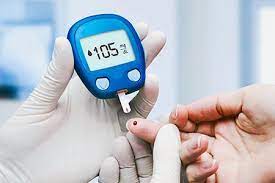
Despite the celebratory tone of the awards, the medical community remains wary of the “implementation gap.” While institutions like MVDRC achieve world-class results, rural access to such specialized care remains a challenge. Critics point out that while AI is promising, the primary healthcare level in many parts of India still lacks basic point-of-care testing for HbA1c (average blood sugar).
Looking Ahead
As Dr. Jitendra Singh accepts his second Lifetime Achievement Award (following his previous international recognition in July 2024), his journey serves as a roadmap for the next generation of medical professionals. His career suggests that the future of medicine is not just in the laboratory or the clinic, but in the ability to translate scientific findings into actionable public policy.
For the 700 delegates at MVCON 2026, the message was clear: The next decade of diabetes care will be defined by how well we marry the “clinical rigors” of the past with the “technological innovations” of the future.
References
Official Sources & Studies:
-
Press Information Bureau (PIB) Delhi: “Union Minister Dr Jitendra Singh Conferred Lifetime Achievement Award in Medicine & Diabetes,” March 20, 2026.
Medical Disclaimer: This article is for informational purposes only and should not be considered medical advice. Always consult with qualified healthcare professionals before making any health-related decisions or changes to your treatment plan. The information presented here is based on current research and expert opinions, which may evolve as new evidence emerges.