 0
0
 0
0
TOKYO — Japan is grappling with a significant public health challenge as measles cases surge across the archipelago, threatening a decade of progress. Since the start of 2026, health authorities have confirmed more than 400 cases of the highly contagious respiratory virus—a startling figure for a nation that the World Health Organization (WHO) declared measles-free in 2015.
As of late April, the Japan Institute for Health Security (JIHS) confirmed 436 infections nationwide. To put this in perspective, the current tally has already far eclipsed the 96 cases reported during the same period in 2025 and has surpassed the total of 265 cases recorded for the entirety of last year. The outbreak, centered in the densely populated Tokyo metropolitan area, has raised urgent questions about vaccination gaps in young adults and the impact of increased global travel in a post-pandemic world.
The Epicenter: Urban Clusters and Demographic Shifts
The surge has moved with remarkable speed. In the final week of April alone, 68 new cases were reported, bringing the national total to 436. Tokyo remains the epicenter of the crisis, accounting for 211 cases—nearly half of the national burden. The “Greater Tokyo” area, which includes the neighboring prefectures of Kanagawa, Chiba, and Saitama, has recorded over 300 cases combined.
While the virus has taken root in urban hubs, it is not contained there. Hotspots have emerged as far south as Kagoshima (34 cases) and in the industrial heartland of Aichi.
Data from the JIHS reveals a specific demographic vulnerability:
-
Age Range: The majority of patients are teenagers and young adults in their 20s.
-
Vaccination Status: Approximately 50% of those infected were either completely unvaccinated, had received only a single dose, or had no verifiable vaccination records.
-
Gender: Early reporting indicates a male majority, with 158 out of 236 cases identified mid-April being men.
-
Transmission: While roughly 70% of infections are now spreading domestically, many chains of transmission were initially sparked by “imported” cases from travelers or returning residents.
From Elimination to Vulnerability
Japan’s path to this moment is complex. After years of rigorous campaigning, the WHO granted Japan “elimination status” in 2015, meaning the virus was no longer considered endemic. However, “eliminated” does not mean “eradicated.” As long as the virus circulates globally, it can be reintroduced to any population with immunity “pockets.”
Standard Japanese protocol mandates two doses of the Measles-Rubella (MR) vaccine: the first at one year of age and the second shortly before entering elementary school. When completed, this regimen provides 97% to 99% lifelong immunity.
However, historical policy shifts created a “generational gap.” Individuals born before 2006 often received only one dose—or none at all—under previous guidelines. Furthermore, the COVID-19 pandemic caused significant disruptions to routine healthcare. By fiscal 2024, second-dose coverage in Japan dropped to 91%, falling below the 95% threshold required for “herd immunity,” the level at which a population is sufficiently protected to stop a virus from spreading.
The Biology of the “Shadow” Virus
Measles is often underestimated as a simple childhood rash, but it is one of the most infectious diseases known to science. It spreads through airborne droplets that can remain suspended in the air for up to two hours after an infected person has left a room.
“It is highly contagious, and one in 1,000 people is said to die even in developed countries,” warned Health Minister Kenichiro Ueno during an April press briefing, urging the public to verify their immunization status.
Symptoms typically emerge 10 days after exposure and include:
-
High fever and cough
-
Runny nose and red, watery eyes (conjunctivitis)
-
Tiny white spots (Koplik spots) inside the mouth
-
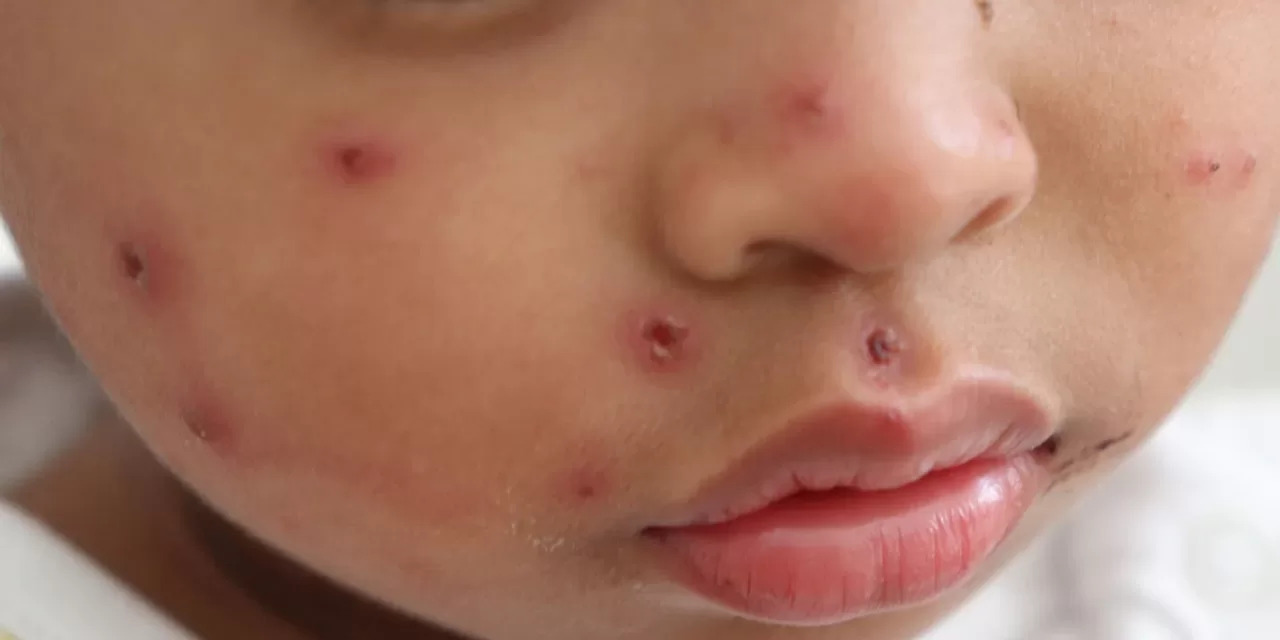
A characteristic red-brown rash that begins on the face and spreads downward
In severe cases, complications can be devastating, including permanent hearing loss, pneumonia, and encephalitis (swelling of the brain). The JIHS distinguishes between “typical” measles and “modified” measles—the latter occurring in people with partial immunity who may show milder symptoms but can still transmit the virus to others.
Expert Perspectives: A Call for Boosters
Outside experts emphasize that the current outbreak is a “canary in the coal mine” for waning adult immunity.
Dr. Hiroshi Nishiura, a prominent epidemiologist at Kyoto University who tracks viral surveillance, noted in a recent analysis that the combination of international travel and internal “pockets of vulnerability” created a perfect storm. “Even if national vaccination averages look high, they can mask localized gaps,” Nishiura noted. He stressed that for the 10-to-29 age group, ensuring two-dose completion is the only way to blunt the current curve.
The Japan Pediatric Society has joined the call, specifically targeting young adults who may be unaware of their single-dose status. Because measles is contagious several days before the rash appears, facility-wide outbreaks in offices and schools become difficult to contain without high baseline immunity.
Public Health Implications and Practical Advice
For the general public, the primary message from health authorities is one of proactive verification rather than panic.
-
Check Records: Residents are encouraged to locate their “Mother and Child Health Handbook” (Boshi Techo) to confirm they have received two doses of a measles-containing vaccine.
-
Seek Boosters: Those born before 2006 or those with only one recorded dose should consult a physician about a booster shot.
-
Travel Precautions: Travelers heading to areas with active outbreaks—both within Japan and internationally—should ensure they are fully immunized at least two weeks before departure.
-
Symptom Awareness: If a fever and rash develop, authorities advise calling a medical facility before visiting to ensure the clinic can take isolation precautions to protect other patients.
Looking Ahead: Can Japan Reclaim Control?
While the 2026 surge is significant, Japan possesses a robust public health infrastructure. Unlike many regions where vaccine shortages are a barrier, Japan’s primary challenge is “vaccine fatigue” and a lack of awareness among adults.
There are currently no reported shortages of the MR vaccine. If uptake among young adults increases and the 95% childhood vaccination target is restored, experts believe the outbreak can be contained before reaching the 2019 peak of 744 cases.
The path forward hinges on a simple realization: measles is a preventable tragedy. By closing the immunity gaps left by the pandemic and historical policy, Japan can once again secure its status as a nation free from the threat of this ancient virus.
Medical Disclaimer: This article is for informational purposes only and should not be considered medical advice. Always consult with qualified healthcare professionals before making any health-related decisions or changes to your treatment plan. The information presented here is based on current research and expert opinions, which may evolve as new evidence emerges.
References
-
Xinhua/China.org. “Japan reports more than 400 measles cases since January.” (May 9, 2026).