 0
0
 0
0
CHICAGO — A new clinical trial has found that time-restricted intermittent fasting can significantly improve key hormone levels and diabetes-risk markers in women living with Polycystic Ovary Syndrome (PCOS). The findings, published this month, challenge a long-standing narrative in some wellness circles that fasting is inherently disruptive to female reproductive hormones. In the study, pre-menopausal women with PCOS who limited their eating to a six-hour daily window achieved weight loss comparable to those who followed traditional calorie-counting diets, but they experienced additional unique benefits in testosterone reduction and long-term blood-sugar control. While researchers suggest this offers a promising non-drug therapy for a condition that is notoriously difficult to manage, medical experts caution that the approach requires careful clinical supervision.
The Core Findings: Beyond Weight Loss
The research, led by renowned nutrition scientist Dr. Krista Varady and her team at the University of Illinois Chicago, enrolled 76 pre-menopausal women diagnosed with PCOS. Participants were randomized into two groups for a six-month period: one following a time-restricted eating schedule (typically a window from 1:00 p.m. to 7:00 p.m.) and another following a standard calorie-restricted diet.
While both groups reduced their daily energy intake by approximately 200 calories and lost an average of 10 pounds, the intermittent fasting group showed distinct physiological advantages:
-
Androgen Reduction: While total testosterone dropped in both groups, only the fasting group saw a clinically significant decrease in the Free Androgen Index (FAI). The FAI measures the amount of “active” testosterone circulating in the blood—the primary driver of PCOS symptoms like unwanted hair growth and acne.
-
Blood Sugar Stability: The fasting group showed marked improvements in glycated hemoglobin (A1C). This indicates better long-term blood-sugar management and a potentially lower risk of progressing to type 2 diabetes.
-
High Adherence: Perhaps most surprisingly for clinicians, 80% of the women in the fasting group reported they intended to continue the pattern after the study ended, suggesting the “window” method may be more sustainable for some than constant calorie tracking.
Why PCOS is a Critical Target for Timing
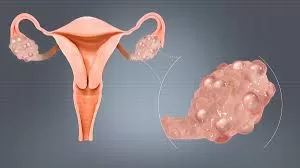
PCOS is one of the most common endocrine disorders, affecting between 6% and 15% of women of reproductive age worldwide. It is characterized by a “vicious cycle” where insulin resistance leads to weight gain, which in turn triggers the ovaries to produce excess androgens (male-type hormones). This cycle can lead to irregular periods, infertility, and a significantly higher risk for cardiovascular disease.
“Because insulin resistance and excess androgens drive nearly every symptom of PCOS, any intervention that can hit both markers simultaneously is a major win,” says Dr. Sarah McKellar, an endocrinologist not involved in the study. “We have seen earlier literature reviews suggest that fasting might help, but having randomized, controlled evidence in this specific population provides a much firmer foundation for clinical recommendations.”
The Science of the “Window”
Time-restricted eating (TRE) is a form of intermittent fasting where all caloric intake is compressed into a fixed daily window—usually 6 to 10 hours—followed by a fast consisting only of water or calorie-free beverages.
In this trial, the researchers utilized a 6-hour window. Dr. Varady’s previous work has shown that this naturally reduces daily intake by 300 to 500 calories because participants tend to skip late-night snacking, which is often comprised of highly processed foods.
Furthermore, the timing of the window (1:00 p.m. to 7:00 p.m.) aligns with the body’s circadian rhythm. Emerging metabolic research suggests that the body processes glucose more efficiently during daylight hours. By avoiding food late at night and early in the morning, the participants likely improved their insulin sensitivity, allowing their bodies to clear sugar from the blood more effectively.
Challenging the “Hormone Myth”
For years, many health influencers and some clinicians have warned that intermittent fasting could “crash” female hormones by over-stressing the hypothalamic-pituitary-adrenal (HPA) axis.
Dr. Varady addressed this head-on: “There’s a particular sentiment that intermittent fasting is really bad for women. This study, and several others published by our lab and others, show that intermittent fasting can actually improve female hormone levels, particularly in women with PCOS.”
However, experts remain nuanced. While the study shows benefit for women with excess androgens, the same may not apply to women with low body fat or regular cycles. “It is not a one-size-fits-all approach,” notes Dr. McKellar. “Women with a history of eating disorders, those who are pregnant, or those with specific luteal-phase imbalances may find that strict fasting windows exacerbate stress hormones like cortisol.”
Public Health Implications and Limitations
If these findings are replicated in larger, more diverse trials, time-restricted eating could become a low-cost, “low-tech” tool for primary care physicians. Given that many PCOS medications, such as Metformin or hormonal birth control, can have significant side effects, a dietary strategy that patients find easy to follow is highly valuable.
Important Caveats
Despite the promising data, the study has limitations that readers should consider:
-
Small Sample Size: With only 76 participants, larger trials are needed to confirm these effects across different ethnicities and age groups.
-
Symptom Resolution: The study focused on blood markers. It did not definitively prove that fasting reduced physical symptoms like acne or hirsutism (excess hair growth), which often take longer than six months to show visible change.
-
The “Weight Loss” Factor: Some critics argue that the benefits are simply due to weight loss, not the timing of the meals. A 2026 Cochrane Review noted that while fasting is effective, it is generally “roughly as effective” as traditional dieting for weight loss in the general population.
Practical Advice for Readers
For women with PCOS who are struggling with insulin resistance, a moderate fasting window may be a viable alternative to calorie counting. Experts suggest starting with a “12:12” approach (12 hours of eating, 12 hours of fasting) and gradually narrowing the window to 10 or 8 hours if it feels sustainable.
“The best diet is the one you can actually stick to,” says Dr. Varady. For 80% of her study participants, that was intermittent fasting.
References
- https://medicalxpress.com/news/2026-03-intermittent-fasting-positively-affects-female.html
Medical Disclaimer: This article is for informational purposes only and should not be considered medical advice. Always consult with qualified healthcare professionals before making any health-related decisions or changes to your treatment plan. The information presented here is based on current research and expert opinions, which may evolve as new evidence emerges.