 0
0
 0
0
BHUBANESWAR, INDIA — A groundbreaking study has exposed critical vulnerabilities in Odisha’s public health network, revealing a stark disconnect between laboratory infrastructure and actual diagnostic capability. Despite the presence of dedicated mycology sections in 90.5% of the state’s medical colleges, the research found that Odisha does not have a single full-time, dedicated microbiology staff member assigned to fungal diagnostics.
The peer-reviewed study, published in the Indian Journal of Medical Microbiology, evaluated 19 medical colleges and two corporate hospitals across the state. Conducted by a collaborative team from the All India Institute of Medical Sciences (AIIMS) Bhubaneswar, the Indian Council of Medical Research (ICMR), and SLN Medical College and Hospital in Koraput, the findings point to a silent public health crisis. In a state where warm, highly humid coastal conditions naturally foster fungal growth, patients face invisible yet formidable barriers to timely detection and life-saving treatment.
The Illusion of Capacity: Key Findings
The data paints a troubling picture of a healthcare system technically equipped on paper, but severely limited by resource allocation and specialized personnel.
While basic microscopy—the manual examination of samples under a microscope—was available at nearly every facility surveyed, actual testing volume and sophisticated methodologies lagged far behind.
| Diagnostic Capacity Indicator | Finding |
| Medical colleges with designated mycology sections | 90.5% |
| Colleges with full-time, dedicated mycology staff | 0% |
| Facilities relying entirely on part-time personnel | 57.1% |
| Centers processing fewer than 50 samples per week | 90.5% |
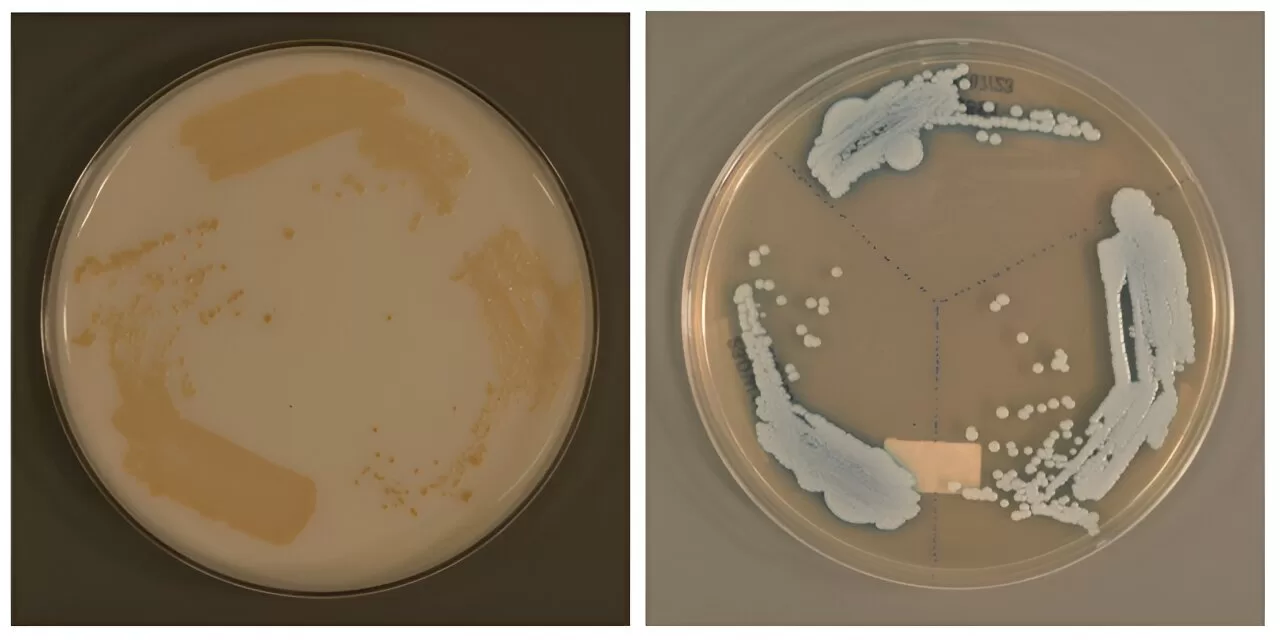
| Facilities capable of conducting fungal cultures | 66.7% |
| Laboratories offering advanced Beta-D-glucan testing | 0% |
| Active participation in external quality assurance programs | 4.8% |
| Facilities offering yeast-only antifungal susceptibility testing | 42.9% |
| Facilities offering mould-specific susceptibility testing | 0% |
The researchers noted that while basic tools remain within reach, advanced diagnostic technologies—the very tools needed to catch aggressive or drug-resistant strains early—were completely absent across the state’s academic medical centers.
A Massive, Hidden Health Burden
Fungal infections are often overshadowed by bacterial and viral outbreaks, yet they present a catastrophic global and national threat. Data from the World Health Organization (WHO) indicates that more than 6.5 million invasive fungal infections occur worldwide every year, resulting in roughly 3.8 million deaths. For high-risk fungi classified under the WHO’s critical priority category, mortality rates can soar as high as 88%.
In India, the scale of the issue is particularly staggering. An estimated 57 million people—about 4.1% of the entire population—suffer from serious fungal diseases. This collective burden is more than 10 times the annual incidence of tuberculosis across the country. India sees exceptionally high rates of severe conditions, including:
-
Invasive aspergillosis: 250,900 annual cases (a severe lung infection caused by inhaling common mold spores)
-
Mucormycosis (“Black Fungus”): 195,000 annual cases
-
Fungal keratitis: Over 1 million annual cases (a painful, sight-threatening cornea infection)
The vulnerability of the population was starkly demonstrated during the 2021 COVID-19 pandemic, where a secondary epidemic of black fungus led to more than 45,000 reported cases and over 4,300 deaths nationwide, primarily striking individuals with compromised immune systems.
Why Missing Experts Costs Patient Lives
Fungal pathogens are opportunistic. They disproportionately target individuals whose immune systems are already fighting uphill battles—including cancer patients undergoing chemotherapy, individuals living with advanced HIV, organ transplant recipients, and severe diabetics.
When a laboratory lacks the specialized personnel to quickly culture and identify a fungus, doctors are forced to treat blindly. This often leads to the misuse of broad-spectrum antibiotics (which kill beneficial bacteria and ironically clear the path for fungi to grow) or the delayed use of proper antifungals.
“Without targeted intervention, emerging drug-resistant fungal infections could go unnoticed,” the AIIMS-Bhubaneswar research team cautioned in their report.
The fact that nine out of ten laboratories process fewer than 50 samples a week is a primary red flag for public health experts. It indicates massive underdiagnosis and a profound lack of clinical referrals, meaning thousands of patients likely suffer from undetected fungal issues.
Expert Insights: From Analysis to Action
Medical professionals emphasize that resolving the crisis requires structural support rather than merely buying more equipment.
“The findings point clearly to where structured support—particularly in staff training and participation in quality assurance programmes—can make a difference,” noted Diptanu Paul, an assistant professor in the department of microbiology at AIIMS-Bhubaneswar and a lead author of the study.
Dr. Vinaykumar Hallur, an additional professor of microbiology at AIIMS-Bhubaneswar, pointed to achievable, systemic solutions. “Strengthening laboratory infrastructure and fostering regular communication between microbiology teams and clinical departments are practical steps that can support more timely and accurate diagnosis of fungal infections,” he explained.
The administrative response in Odisha remains cautious. When presented with the study’s findings, Dr. Durga Madhab Satapathy, the director of medical education and training in Odisha, stated that his office would formally review the research paper to thoroughly analyze what is lacking in the mycology sections of the state’s medical institutions.
Root Causes of the Diagnostic Blind Spot
The research paper identifies three deeply intertwined barriers preventing effective fungal management:
-
Resource Constraints: Chronic underfunding leaves laboratories without the specialized chemical reagents and advanced equipment necessary to execute complex tests.
-
A Shortage of Specialized Expertise: There is a critical, nationwide deficit of trained mycologists (biologists who study fungi) and laboratory technicians capable of identifying complex fungal structures.
-
Low Public Health Prioritization: Historically, fungal diseases receive significantly less attention, funding, and public policy focus compared to high-profile bacterial and viral threats like tuberculosis or malaria.
Because a massive portion of Odisha’s population lives in rural areas, these deficits manifest as severe geographic disparities. A rural patient must often travel hundreds of kilometers to urban centers just to access a laboratory capable of performing a basic fungal culture.
The Cost of the Invisible Toolkit
The absolute absence of advanced testing creates dangerous gaps in clinical care. For instance, Beta-D-glucan testing—a rapid, highly reliable blood test used to screen for deep, invasive fungal infections without waiting days for a culture to grow—was completely unavailable in every laboratory surveyed. Similarly, tests to detect Histoplasma antigens (critical for diagnosing a severe fungal infection that mimics tuberculosis) were entirely non-existent.
Furthermore, no facility in the study could perform antifungal susceptibility testing for moulds. This means that even if a mold infection is successfully identified, doctors have no laboratory data to show which specific antifungal medication will kill it. This is an alarming reality given the rise of global drug resistance.
A recent global report from the WHO highlighted this systemic barrier, pointing out that while commercial diagnostic tests exist for priority fungal pathogens, they rely heavily on well-equipped labs and expertly trained staff. Consequently, populations in low- and middle-income regions rarely benefit from modern medical innovations.
Charting a Recovery Plan
To pull the region out of this diagnostic blind spot, the study authors call for swift, targeted investments in three distinct pillars:
-
Comprehensive Capacity Building: Supplying laboratories with modern molecular testing equipment, such as Polymerase Chain Reaction (PCR) machines tailored for fungal DNA detection.
-
Dedicated Educational Pipelines: Establishing specialized, continuous training in mycology for existing microbiologists and lab techs.
-
Mandatory Quality Controls: Enrolling laboratories in external quality assurance programs to verify test accuracy and prevent misdiagnosis.
Some national progress is underway. To combat the severe lack of epidemiologic data, the Indian Council of Medical Research (ICMR) has launched a Pan-Indian Clinical Registry of Invasive Fungal Infections, connecting eight advanced mycology diagnostic centers across the country to track and analyze infection patterns.
Limitations of the Data
While the study offers an unprecedented look at institutional capacity, it does possess limitations. The data focused entirely on large medical colleges and corporate hospitals. It did not survey smaller district hospitals or rural primary health centers, where the diagnostic capacity is presumably even lower, meaning the actual crisis facing rural patients may be underestimated. Additionally, as a cross-sectional study, it represents a static snapshot in time and may not capture highly recent infrastructure updates or localized government interventions implemented since the data collection phase.
What This Means for the Public
For everyday individuals and families living in high-humidity regions, this research underscores the need for proactive self-advocacy in healthcare settings.
-
Recognize High-Risk Status: Individuals managing uncontrolled diabetes, undergoing cancer treatments, or taking long-term steroid medications should be highly vigilant regarding persistent coughs, unexplained skin lesions, or unhealing wounds.
-
Ask Targeted Questions: If an infection fails to respond to multiple rounds of standard antibiotics, patients and family members should actively ask their healthcare providers if a fungal diagnostic culture or specialized test has been performed.
-
Seek Proper Facilities: When a serious fungal infection is suspected, patients should prioritize seeking care at tertiary medical centers with established, functioning microbiology departments rather than relying on local, unequipped clinics.
The diagnostic divide remains a global hurdle. As Dr. Yukiko Nakatani, WHO Assistant Director-General for Antimicrobial Resistance, summarized: “The diagnostic gap means the cause of people’s suffering remains unknown, making it difficult to get them the right treatments.” Bridging this gap in Odisha will require an intentional pivot from health authorities to treat fungi not as an afterthought, but as a primary public health priority.
Medical Disclaimer
Medical Disclaimer: This article is for informational purposes only and should not be considered medical advice. Always consult with qualified healthcare professionals before making any health-related decisions or changes to your treatment plan. The information presented here is based on current research and expert opinions, which may evolve as new evidence emerges.
References
-
Times of India: “Odisha lacks in fungal disease diagnosis: Study.” (Published May 25, 2026).