 0
0
 0
0
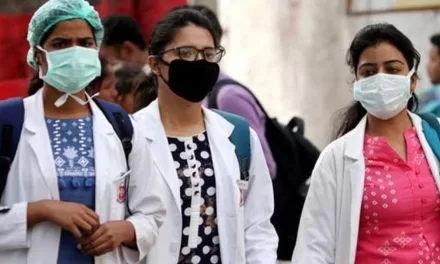
INDORE, INDIA — The tragic death of a third-year MBBS student at a medical college hostel in Indore has sent shockwaves through the medical education community, prompting urgent calls from healthcare professionals and advocacy groups to address the systemic pressures facing medical trainees.
The student allegedly consumed a poisonous substance on the hostel premises on Wednesday afternoon and later succumbed, triggering a police investigation into the exact sequence of events. While local media outlets, including reports from Patrika, noted that relatives believed the student had been experiencing severe depression for approximately a year, official investigators and college authorities emphasize that these claims remain unconfirmed pending final post-mortem findings and institutional inquiries.
Nevertheless, the incident has reignited a critical global and national conversation regarding the psychological toll of medical training—a demanding journey that research consistently shows places students at an elevated risk for severe mental health struggles.
A Vulnerable Population: What the Data Shows
The tragedy in Indore is not an isolated anomaly, but rather a reflection of a deeply entrenched issue within medical education worldwide. According to a landmark systematic review and meta-analysis published in The Journal of the American Medical Association (JAMA), which analyzed data from over 122,000 medical students across 43 countries, an estimated 27.2% of medical students screened positive for depression or depressive symptoms. Furthermore, 11.1% reported experiencing suicidal ideation during their training.
The World Health Organization (WHO) identifies suicide as a leading cause of death among young adults globally, accounting for more than 720,000 deaths annually. The WHO further notes that for every adult who dies by suicide, there are more than 20 others who attempt it. When these global figures are viewed alongside the specific pressures of medical campuses, the scale of the public health challenge becomes starkly apparent.
A separate multisite study published in Academic Medicine found probable major depression in 12% of medical trainees and suicidal ideation in nearly 6%. These findings reinforce a critical message from mental health advocates: severe psychological distress among medical students cannot be dismissed as merely “normal academic stress.”
The Pressure Cooker of Medical Training
The culture of medical education is widely recognized for its grueling demands. Trainees regularly navigate:
-
Chronic sleep deprivation and prolonged working hours
-
Hyper-competitive academic and clinical assessments
-
High, often perfectionist expectations from themselves, their families, and their institutions
-
Direct exposure to human suffering and mortality early in their professional development
A review published in The BMJ regarding medical students and suicide highlighted that roughly one in ten medical students experience suicidal thoughts. Crucially, the review noted that the institutional culture of a medical school acts as a double-edged sword: it can either severely exacerbate underlying stress or serve as a vital, protective support system depending on how mental health is managed.
Recognizing the Signs and Intervening Early
Independent mental health specialists emphasize that recognizing early warning signs is paramount to preventing tragedies. These signs often include visible withdrawal from social circles, sudden changes in sleep or appetite patterns, expressions of hopelessness, an abrupt decline in academic or clinical performance, or direct statements about death.
Public health strategies established by the WHO highlight early identification, immediate access to confidential care, and responsible public communication as the core pillars of suicide prevention.
In India, institutional frameworks have increasingly sought to scale up low-barrier mental health resources. The government’s National Tele Mental Health Programme, known as Tele-MANAS, has rapidly expanded to meet growing demand. According to a recent Press Information Bureau (PIB) update, Tele-MANAS had handled more than 3.28 million (32.84 lakh) calls, illustrating a significant, growing reliance on confidential, multi-lingual counseling services among young people facing acute academic and personal strain.
Institutional and Public Health Implications
For families, peers, and educators, the immediate takeaway from current psychiatric literature is that persistent distress must be taken seriously. When academic stress begins to impair daily biological functions—such as sleep, appetite, concentration, or social engagement—it requires professional evaluation.
For medical colleges and policymakers, the implications are structural. Experts argue that mental health care must be woven into the fabric of medical curriculum design, rather than treated as an optional, tertiary add-on. This includes establishing:
-
Confidential referral pathways that guarantee seeking psychological help will not negatively impact a student’s academic standing or future licensing.
-
Robust crisis-response protocols within student housing and campus medical centers.
-
Mandatory training for hostel wardens, faculty members, and student peers to identify individuals in distress.
Furthermore, the WHO’s suicide-prevention framework emphasizes the necessity of “responsible media reporting.” Careful, non-sensationalized language in the wake of a tragedy is critical to preventing stigma and reducing the risk of imitation.
Limitations and Caveats
Journalistic integrity requires noting that investigations into the Indore case are ongoing. Vital details—including specific toxicological findings, official intent, and verified medical histories—remain unconfirmed. Media reports citing unverified notes or family statements should be treated with caution until official police and institutional inquiries conclude.
Additionally, public health researchers caution against generalizing a single tragic event to represent all medical students or all campuses. Population-level data establishes that medical trainees experience elevated baseline statistical risks for depression, but these broad data points cannot explain the highly nuanced, multi-faceted circumstances surrounding any individual’s death.
Practical Steps: What You Can Do
If you are a student, healthcare professional, or family member, and you notice someone struggling to cope with institutional pressure, proactive intervention can save a life. Experts recommend asking directly about their safety, remaining with them if an immediate risk is identified, and immediately connecting them to professional emergency services.
Available Crisis Resources
For individuals seeking immediate, confidential mental health support:
-
Tele-MANAS Helpline (India): Available 24/7 at 14416 or 1800-89-14416 (Offers support in multiple regional languages).
-
KIRAN Helpline (Ministry of Social Justice and Empowerment): Available at 1800-599-0019.
-
Local Campus Resources: Contact your institution’s student wellness center or resident counselor immediately.
By normalizing mental health counseling, dismantling the stigma associated with vulnerability, and ensuring that timely support is prioritized alongside academic excellence, medical institutions can foster an environment where trainees thrive both professionally and personally.
References
-
Patrika. Local investigative report on the Indore MBBS student case. Published July 17, 2026.
Medical Disclaimer: This article is for informational purposes only and should not be considered medical advice. Always consult with qualified healthcare professionals before making any health-related decisions or changes to your treatment plan. The information presented here is based on current research and expert opinions, which may evolve as new evidence emerges.