 0
0
 0
0
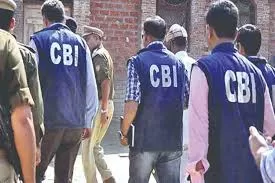
NEW DELHI — In a development that has sent shockwaves through both the medical fraternity and millions of aspiring doctors across India, the Central Bureau of Investigation (CBI) revealed in a Delhi court this week that a Latur-based paediatrician allegedly accepted a bribe of Rs 5 lakh to facilitate illicit access to leaked National Eligibility cum Entrance Test (NEET-UG) 2026 chemistry material. The disclosure adds a troubling layer to an ongoing systemic crisis that has already forced a massive re-examination for more than 20 lakh candidates and ignited a fierce national debate over the transparency of the country’s healthcare education pipeline.
The Anatomy of the Alleged Breach
According to court submissions presented by the investigative agency, the accused medical professional allegedly acted as a critical node in a sophisticated paper leak network. Investigators claim the paediatrician facilitated access to the compromised chemistry questions directly at a hospital facility in Latur ahead of the high-stakes May 3 examination.
The CBI told the court that financial recoveries made during the probe corroborate these transactions. Crucially, the agency alleges that the accused did not operate in isolation; instead, the doctor allegedly connected other medical professionals to the illicit network, pointing to a wider, structured operation designed to monetize access to one of the toughest entrance exams in the world.
[Leaked Master Set] ➔ [Coaching Center Owner & Panel Expert] ➔ [Local Intermediaries (Doctors)] ➔ [Pre-Exam Access for Candidates]
The scale of the technical compromise is stark. Forensic and digital analysis detailed by the CBI revealed that 111 out of 136 handwritten questions recovered from a suspect’s mobile phone were a direct match with the National Testing Agency’s (NTA) master question set. Furthermore, agency submissions suggest that the network managed to procure these highly confidential materials on April 23—nearly two weeks before the scheduled exam date—giving select candidates an alarming window for preparation.
A Disrupted Pipeline and the Public Health Ripple Effect
While paper leaks are frequently viewed through a law-and-order lens, public health experts emphasize that irregularities in medical admissions represent a severe threat to the long-term integrity of the healthcare system. NEET-UG serves as the sole gateway to securing an undergraduate medical seat (MBBS) in India, meaning this single exam dictates the quality and ethical framework of the nation’s future medical workforce.
The disruption caused by the 2026 irregularities is unprecedented in scale:
-
The Original Exam: Attracted an estimated 22.7 lakh to 24 lakh applicants on May 3.
-
The Cancellation: Following widespread reports of systemic leaks, the NTA officially canceled the initial test on May 12.
-
The Re-Examination: A massive logistical re-run was staged on June 21 for more than 20 lakh students.
-
The Outcome: The NTA ultimately declared results on July 16, with 11.21 lakh candidates successfully qualifying.
The CBI argued passionately in court that the breach caused “millions of working hours” to be lost by honest, hard-working students, severely damaging public faith in the national education system.
The Independent Expert View: Why Admission Merits Matter to Patients
Outside the courtroom, medical ethicists and senior healthcare educators warn that the psychological and systemic fallout of the scandal could affect patient care decades down the line.
“The foundation of a safe health system rests entirely on the public’s absolute trust in a doctor’s competence and integrity,” says Dr. Arati Srivastava, a medical education consultant and former institutional ethics board member, who was not involved in the case. “When the gatekeeping mechanism for entering medical school is perceived as something that can be bought or bypassed, it fundamentally erodes that trust. We must remember that selection integrity directly influences professional empathy, clinical excellence, and the ethical standard of future care. It is highly disheartening to see a practicing clinician implicated in undermining the very pipeline they themselves once crossed.”
Moreover, the prolonged legal battle and administrative re-testing have caused massive delays in the national medical counselling schedules. These delays create a domino effect: colleges face compressed academic calendars, which places additional stress on medical faculty and shortens the runway for rigorous clinical training before students enter hospital wards.
Analytical Balance: Allegations vs. Judgements
As a matter of journalistic objectivity, it is critical to balance the gravity of these investigative findings with the realities of the judicial process. The Latur-based paediatrician, the implicated coaching-centre owner, and the chemistry subject expert on the NTA panel remain accused individuals under an ongoing investigation.
The documents filed by the CBI represent investigative assertions rather than final judicial conclusions. A court of law will ultimately evaluate the forensic value of the recovered phone data, the financial audit trails, and the cross-examination of witnesses before delivering a verdict.
Furthermore, because this case develops rapidly across multiple legal jurisdictions and administrative bodies, public reporting has seen minor variances regarding peripheral figures—such as exact local candidate counts—which is typical for fast-moving legal and examination crises relying on staggered institutional updates.
Institutional Outlook and Public Actionables
For health-conscious consumers and the wider public, this story serves as a critical structural update on the medical workforce rather than a shift in clinical medicine. It does not alter current medical treatments, hospital protocols, or diagnostic guidelines. Instead, it highlights the urgent need for structural reforms within the institutions that govern medical training.
Key Takeaways for Stakeholders
-
For Students and Parents: Maintain focus amidst the media storm. The NTA advises relying exclusively on official advisories published on the verified NTA notice board for all seat allocations and counseling schedules, ignoring unverified social media narratives.
-
For Healthcare Professionals and Educators: The scandal underscores an urgent need to transition toward enhanced digital traceability, cryptographic security for question distribution, and stricter accountability protocols for panel experts.
-
For the General Public: A transparent admission process ensures that the individuals diagnosing illnesses and performing surgeries tomorrow are selected purely on the basis of merit, dedication, and capability today.
Reference Section
-
The Indian Express (July 15 & 16, 2026): Investigative updates detailing the CBI’s forensic analysis showing a match of 111 out of 136 handwritten chemistry questions, and the subsequent declaration of the re-exam results.
Medical Disclaimer: This article is for informational purposes only and should not be considered medical advice. Always consult with qualified healthcare professionals before making any health-related decisions or changes to your treatment plan. The information presented here is based on current research and expert opinions, which may evolve as new evidence emerges.