 0
0
 0
0
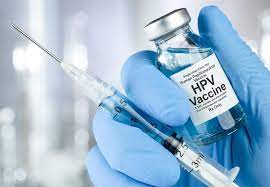
NEW DELHI — In a move hailed as a “landmark moment” for the nation’s public health, India has officially initiated the nationwide rollout of the Human Papillomavirus (HPV) vaccine within its Universal Immunization Programme (UIP). Dr. V.M. Katoch, former Director General of the Indian Council of Medical Research (ICMR), announced Thursday that the inclusion of the vaccine marks a visionary shift in the country’s strategy to eliminate cervical cancer, a disease that remains one of the leading causes of cancer-related mortality among Indian women.
While the vaccine was approved in India nearly two decades ago, its reach was previously restricted to private healthcare, leaving millions of adolescent girls in economically vulnerable sections unprotected. This national expansion aims to bridge that equity gap, providing free, life-saving immunization to those who need it most.
A Crisis of Preventable Loss
Cervical cancer is a significant burden on India’s healthcare system. According to the World Health Organization (WHO) and the HPV Information Centre, India accounts for approximately one-fifth of the global burden of cervical cancer. Every year, roughly 123,907 women are diagnosed with the disease in India, and 77,348 lose their lives to it.
The primary culprit is the Human Papillomavirus (HPV), a common virus transmitted through skin-to-skin contact, primarily during sexual activity. While most HPV infections clear on their own, persistent infection with “high-risk” strains—specifically types 16 and 18—can lead to cellular changes that progress to cancer over several years.
“Cervical cancer is preventable, and vaccination is one of the most effective tools available to us,” Dr. Katoch stated during a press briefing in Jaipur. He emphasized that the virus often strikes women in their “young and middle years,” devastating families and communities during their most productive stages of life.
The Science of Prevention: How the Vaccine Works
The HPV vaccine works by stimulating the body’s immune system to produce antibodies that, in future encounters with the virus, bind to it and prevent it from infecting cells.
Key Clinical Data:
-
Effectiveness: Long-term studies, including data published in The Lancet, show that countries with high vaccine coverage have seen an 87% to 90% reduction in cervical cancer rates among women vaccinated between the ages of 12 and 13.
-
Global Precedent: More than 160 countries have already integrated the HPV vaccine into their national health schedules.
-
The “Indian” Factor: The rollout is supported by the availability of Cervavac, India’s first indigenously developed quadrivalent HPV vaccine, which makes the national program more sustainable and cost-effective.
“The vaccine is most effective when administered before an individual is exposed to the virus,” explains Dr. Anita Sharma, an independent gynecologist and oncology consultant not involved in the government rollout. “By targeting girls in the 9-to-14 age group, we are building a ‘wall of immunity’ before any potential exposure. It’s not just about protecting the individual; widespread coverage reduces the overall transmission of the virus in the community—a concept known as herd protection.”
Overcoming the “Private-Public” Divide
For years, the HPV vaccine in India was a luxury. In private hospitals, the cost of a full regimen could range from ₹2,000 to ₹4,000 per dose, making it inaccessible for the vast majority of Indian households.
Dr. Katoch noted that this disparity created a “vulnerability gap.” While affluent families could protect their daughters, those in rural areas or economically weaker sections remained at the mercy of the disease. The national rollout effectively democratizes cancer prevention, ensuring that a girl’s socio-economic status does not determine her risk of developing a preventable malignancy.
Addressing Safety and Concerns
As with any national immunization drive, public trust is paramount. Some parents express concerns regarding side effects or the necessity of a vaccine for a virus associated with sexual transmission.
Medical experts are quick to provide context. Common side effects are mild and typical of any vaccine: soreness at the injection site, slight fever, or brief dizziness. Comprehensive safety reviews by the Global Advisory Committee on Vaccine Safety (GACVS) have consistently found no evidence of serious long-term adverse effects.
“We must approach this with transparency,” says Dr. Sharma. “The conversation shouldn’t be about sexual activity; it should be about cancer prevention. Just as we vaccinate children against Hepatitis B to prevent liver cancer, we are vaccinating against HPV to prevent cervical cancer.”
The Road Ahead: Screening and Education
While the vaccine is a “landmark step,” health authorities warn that it is not a standalone solution. For women who are already beyond the age of vaccination, regular screening remains vital.
-
Visual Inspection with Acetic Acid (VIA): A cost-effective screening method used in low-resource settings.
-
Pap Smears: Traditional cytology-based testing to detect precancerous cells.
-
HPV DNA Testing: A more sensitive test that identifies the presence of high-risk viral DNA.
The Ministry of Health plans to pair the vaccination drive with increased awareness campaigns to encourage older women to seek regular screenings. This dual approach—primary prevention (vaccine) and secondary prevention (screening)—is the blueprint for the WHO’s “90-70-90” target: 90% of girls vaccinated, 70% of women screened, and 90% of women with cervical disease receiving treatment.
Conclusion
The nationwide rollout of the HPV vaccine represents more than just a medical intervention; it is a commitment to the health and dignity of Indian women. By moving the vaccine from the private clinic to the government health center, India is taking a decisive stand against a silent killer.
As Dr. Katoch concluded, “Sustained implementation will eventually help eliminate cervical cancer as a public health threat in India, marking a major milestone in our fight against preventable diseases.”
Medical Disclaimer: This article is for informational purposes only and should not be considered medical advice. Always consult with qualified healthcare professionals before making any health-related decisions or changes to your treatment plan. The information presented here is based on current research and expert opinions, which may evolve as new evidence emerges.