 0
0
 0
0
NEW DELHI — In a decisive move toward closing the gender gap in public health, the Government of India has transitioned its “Swasth Nari, Sashakt Parivar Abhiyaan” (SNSPA) from a temporary campaign into a permanent, institutionalized framework. The shift, announced in the Rajya Sabha on March 24, 2026, by Union Minister of State for Health and Family Welfare, Smt. Anupriya Patel, is anchored by a massive nationwide Human Papillomavirus (HPV) vaccination drive targeting 12 million adolescent girls.
The initiative represents a multi-pronged strategy to strengthen the health of women and children through community participation (Jan Bhagidaari), preventive screenings, and expanded primary care services via the Ayushman Arogya Mandir (AAM) network.
A Shield Against Cervical Cancer: The 1.2 Crore Target
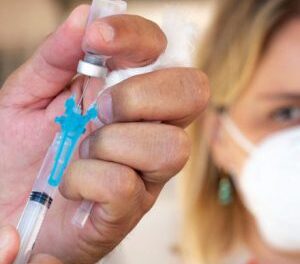
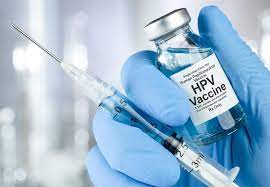
The most significant clinical component of the announcement is the nationwide free HPV vaccination campaign, which officially commenced on February 28, 2026. The program aims to reach approximately 1.2 crore (12 million) girls aged 14 across all 36 States and Union Territories.
Cervical cancer remains a leading cause of cancer mortality among women in India. By targeting 14-year-old girls—a demographic where the vaccine’s efficacy is highest—the government aims to drastically reduce the future burden of this preventable disease.
“Vaccination at this age is a gold-standard preventive measure,” says Dr. Anita Rao, an independent gynecological oncologist. “The HPV vaccine is most effective when administered before exposure to the virus. Scaling this to 12 million girls could change the trajectory of women’s health in India for generations.”
Safety Protocols and Exclusions
To ensure clinical safety, the Ministry has issued strict contraindication guidelines. The vaccine will not be administered to:
-
Illness: Girls experiencing moderate or severe acute illness (until recovery).
-
Allergies: Individuals with known allergies to yeast or previous vaccine reactions.
-
Pregnancy: Expecting individuals are excluded from this drive.
-
Age/Prior Status: Girls outside the 14-year-old target bracket or those already fully vaccinated (whose data must be updated on the U-WIN portal).
Beyond the Clinic: The “Ayushman Arogya Mandir” Model
While vaccination provides biological protection, the SNSPA framework focuses on “promotive” health—encouraging lifestyle changes before illness occurs. Central to this are the Ayushman Arogya Mandirs (AAMs).
These centers have moved beyond simple “sick care” to offer a broader package of services closer to the community. Under the new mandate, AAMs are required to host ten wellness sessions monthly and observe 42 “Health Calendar Days” annually. These activities include:
-
Physical Integration: Organized marathons, Yoga, and meditation sessions.
-
Behavioral Health: Counseling for tobacco and substance abuse cessation.
-
Nutritional Guidance: Focused diet counseling for mothers and adolescent girls.
“The goal is to bring healthcare to the doorstep,” Minister Patel stated. This decentralized approach ensures that the “vulnerable populations”—those in rural or underserved urban areas—are prioritized.
The Power of Community Participation
The “Swasth Nari, Sashakt Parivar” (Healthy Woman, Empowered Family) philosophy hinges on the idea that a woman’s health is the foundation of a stable household. By utilizing Jan Bhagidaari, the government seeks to turn health into a social movement.
This approach addresses a long-standing issue in Indian healthcare: the “silent sufferer” syndrome, where women often prioritize the health of their families over their own. By institutionalizing regular screenings at the community level, the SNSPA hopes to normalize routine check-ups for non-communicable diseases (NCDs) like hypertension and diabetes, alongside reproductive health.
Perspectives and Limitations
While the scale of the campaign is unprecedented, public health experts highlight potential hurdles.
“The scientific evidence for the HPV vaccine is robust, showing nearly 90% reduction in cervical cancer rates in countries with high uptake,” notes Dr. Samrat Jha, a public health researcher. “However, the challenge in India is always the last-mile delivery and overcoming vaccine hesitancy. Cold-chain maintenance for 12 million doses across diverse climates is also a massive logistical undertaking.”
Furthermore, while the 14-year-old age bracket is a strategic starting point, some advocates suggest expanding the age range in future phases to capture older adolescents who may have missed the window.
What This Means for Families
For the average citizen, this shift signals a move toward a “preventive” rather than “curative” mindset. Families with adolescent daughters are encouraged to visit their nearest Ayushman Arogya Mandir to verify eligibility and update records on the U-WIN portal.
As the SNSPA matures from a campaign into a permanent pillar of the National Health Mission, the success of the 12-million-girl vaccination target will serve as a vital litmus test for India’s public health infrastructure.
Medical Disclaimer: This article is for informational purposes only and should not be considered medical advice. Always consult with qualified healthcare professionals before making any health-related decisions or changes to your treatment plan. The information presented here is based on current research and expert opinions, which may evolve as new evidence emerges.
References
Official Sources:
-
Press Information Bureau (PIB) Delhi: “Steps Taken for Advancing the Vision of ‘Swasth Nari, Sashakt Parivar’,” Posted 24 March 2026.