 0
0
 0
0
March 24, 2026
NEW DELHI — In a significant milestone for universal health coverage, the Indian government announced this week that the number of hospitals empanelled under the Ayushman Bharat Pradhan Mantri Jan Arogya Yojana (AB-PMJAY) has surged more than fivefold since its inception. As of February 28, 2026, the network now spans 36,229 facilities nationwide, marking a critical shift in how millions of India’s most vulnerable citizens access both public and private tertiary care.
The data, released by the Ministry of Health and Family Welfare, reveals that the scheme has authorized 11.69 crore hospital admissions to date. Notably, more than half of these treatments—approximately 6.74 crore—were provided by private healthcare providers, underscoring the growing role of the private sector in India’s socialized insurance framework.
A Rapidly Widening Network
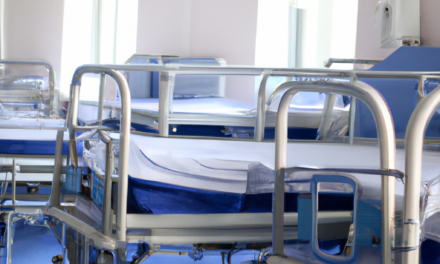
When AB-PMJAY launched in the 2018–19 fiscal year, the network consisted of just 6,917 hospitals. The current figure of 36,229 represents a massive scaling of infrastructure. The distribution remains balanced between sectors, with 19,483 public hospitals and 16,746 private hospitals now participating in the scheme.
“The expansion of the empanelled list is not just a statistical victory; it’s a geographical one,” says Dr. Ananya Sharma, a public health policy analyst not affiliated with the National Health Authority (NHA). “By bringing over 16,000 private hospitals into the fold, the government is effectively reducing the ‘distance to care’ for rural populations who previously had to travel to major metros for specialized surgeries.”
Under the current guidelines, empanelment remains a continuous and voluntary process. Private hospitals choose to join based on their ability to meet NHA criteria, while State Health Agencies (SHAs) manage the intake based on local healthcare needs.
Accountability and Beneficiary Rights
As the volume of patients increases, the government is doubling down on “Right to Treatment” protocols. Official guidelines state that no empanelled hospital can deny treatment to an eligible beneficiary.
To ensure compliance, a three-tier grievance redressal mechanism has been established:
-
District Level: Initial examination by local nodal officers.
-
State Level: Oversight by State Health Committees.
-
National Level: Final escalation to the National Health Authority.
Beneficiaries who encounter irregularities or are denied care can report issues through the Centralized Grievance Redressal Management System (CGRMS) or via the 24/7 toll-free helpline (14555).
The Private Sector Paradox
While the increase in private sector participation is a boon for capacity, it brings unique challenges. Of the 11.69 crore admissions, 57% occurred in private facilities. This high utilization rate highlights a preference among beneficiaries for private care, but it also places a heavy administrative load on the claim settlement process.
To maintain hospital interest and financial viability, the NHA has mandated strict “Turnaround Times” (TAT) for payments:
-
Intra-state claims: Must be settled within 15 days of submission.
-
Portability claims (Out-of-state): Must be settled within 30 days.
“For a private hospital, cash flow is the lifeline,” notes Rajesh Varma, a healthcare administrator. “The 15-day settlement window is ambitious. When it works, it encourages more high-quality specialty centers to join. When there are delays, we see friction.”
Scrutiny and Quality Control
The Ministry emphasized that claim settlement is not a “rubber-stamp” process. Every claim undergoes rigorous scrutiny based on clinical documents, investigation reports, and standard treatment guidelines (STGs). This evidence-based approach aims to prevent “provider-induced demand”—a medical term for performing unnecessary procedures simply because they are covered by insurance.
Public health experts suggest that while the quantity of hospitals is high, the next frontier must be the “quality of outcomes.”
“We have the numbers now,” says Dr. Sharma. “The focus must now shift to ensuring that a heart surgery performed under the scheme in a small town has the same clinical success rate as one performed in a Tier-1 city.”
What This Means for the Public
For the average eligible family, this update means significantly more choice. With the “portability” feature of Ayushman Bharat, a worker from Bihar can access treatment in an empanelled hospital in Delhi or Mumbai without paying out-of-pocket, provided the facility is part of the 36,229-strong network.
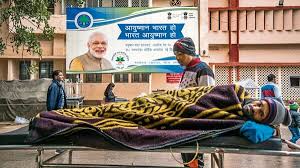
Health literacy remains a hurdle, however. Many eligible citizens are unaware that they can access high-end private hospitals for free. Health workers are encouraged to remind patients to look for the “Ayushman Bharat” signage at hospital entrances and to utilize the 14555 helpline to verify their eligibility before beginning treatment.
Looking Ahead
The Union Minister of State for Health and Family Welfare, Shri. Prataprao Jadhav, affirmed in the Lok Sabha that the empanelment process will remain dynamic. As India moves toward the goal of Universal Health Coverage, the integration of more specialized oncology, cardiology, and nephrology centers into the PMJAY network will be the primary metric of success.
Medical Disclaimer
Medical Disclaimer: This article is for informational purposes only and should not be considered medical advice. Always consult with qualified healthcare professionals before making any health-related decisions or changes to your treatment plan. The information presented here is based on current research and expert opinions, which may evolve as new evidence emerges.
References
Official Sources:
-
Press Information Bureau (PIB) Delhi: “Update on AB-PMJAY: Empanelled Hospitals Increase Over Fivefold,” Posted 23 MAR 2026.