 0
0
 0
0
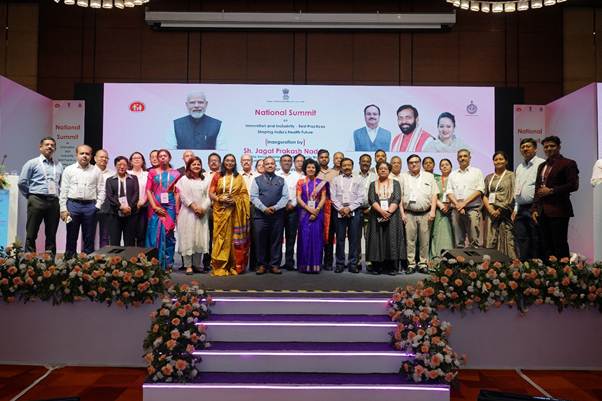
NEW DELHI – Building a “future-ready” healthcare system requires more than just modern technology; it demands a radical commitment to inclusivity and evidence-based reform. This was the central theme as the two-day National Summit on “Innovation and Inclusivity: Best Practices Shaping India’s Health Future” concluded on May 1, 2026.
Bringing together policymakers, public health experts, and state representatives, the summit served as a critical forum for evaluating the 17th Common Review Mission (CRM) findings. The CRM acts as the primary diagnostic tool for the National Health Mission (NHM), providing an independent, ground-level assessment of how health policies are translating into patient care across 17 States and Union Territories.
The summit’s conclusion highlighted a significant shift in India’s public health strategy: moving from rapid infrastructure expansion toward the “last-mile” delivery of quality care, driven by digital integration and localized innovation.
Key Findings: A Health System in Transition
The 17th CRM report revealed a landscape of steady progress, particularly in the transformation of primary healthcare. A primary highlight was the successful operationalization of Ayushman Arogya Mandirs (AAMs). These centers, formerly known as Health and Wellness Centers, have become the bedrock of India’s decentralized healthcare model.
Statistical Progress and Digital Shifts
According to the Ministry of Health and Family Welfare (MoHFW), the expansion of AAMs has led to:
-
Increased Screening: A notable rise in the early detection of non-communicable diseases (NCDs) like hypertension and diabetes.
-
Teleconsultation Growth: A surge in the use of “eSanjeevani” platforms, which connect rural patients with urban specialists.
-
Maternal Health Stability: Improvements in institutional delivery rates and post-natal care tracking.
However, the mission also identified critical “pain points” that remain. While infrastructure exists, the optimization of human resources—ensuring doctors and nurses are not just hired but strategically deployed to underserved areas—remains a persistent challenge.
Local Innovation: 12 Best Practices Scaling Nationally
The summit showcased how individual states are solving complex problems with local ingenuity. These “Best Practices” are now being eyed for national replication:
Top Twelve Best Practices from States
- Gujarat: Audit review mechanism with strengthened follow-up to reduce TB deaths.
- Tamil Nadu: Integrated response to rising student mental health issues and substance abuse through dedicated centres and helplines.
- Kerala: Antibiotic-smart hospitals and antibiotic-literate communities under a One Health approach to combat antimicrobial resistance.
- Jammu & Kashmir: Strengthened supply chain management ensuring uninterrupted availability of medicines and consumables.
- Assam: Uttran initiative on maternal and child health.
- Chhattisgarh: Malaria mukt Chhattisgarh and Follow up model for malaria control.
- Haryana: Comprehensive non-communicable disease care.
- Jharkhand: Bridging data and action – AMB T4.
- Madhya Pradesh: SUMAN ICCC and district Suman Help Desk initiative.
- Maharashtra: Matrusneh maternal health initiative.
- Odisha: Urban geriatric care services.
- Uttar Pradesh: Capacity building of NBSU/SNCU staff and family planning counsellors.
Expert Commentary: Balancing Tech with Touch
While the summit celebrated digital triumphs, officials issued a stern reminder regarding the “digital divide.” Smt. Aradhna Patnaik, Additional Secretary and Mission Director of the NHM, emphasized during her closing remarks that technology must not become a barrier to care.
“While digital health initiatives are transforming service delivery, it is essential to ensure that no beneficiary—particularly the most vulnerable—is inconvenienced due to digitalization,” Patnaik stated. She called for intensive capacity building for frontline workers (ASHAs and ANMs) to ensure they can navigate these tools alongside the community.
Independent experts agree that the human element is irreplaceable. “Digital health is a tool, not a destination,” says Dr. Vikram Patel, a public health researcher (not involved in the CRM). “The CRM findings correctly identify that unless we invest in the people—the human resources—the most advanced digital platform will fail to improve health outcomes in remote districts.”
Public Health Implications: What This Means for You
For the average citizen, the outcomes of this summit signal three major shifts in how they will interact with the healthcare system in the coming years:
-
Shift to Prevention: Ayushman Arogya Mandirs will increasingly focus on wellness, yoga, and early screening rather than just treating acute illness.
-
Medicinal Transparency: With states like Jammu & Kashmir and Kerala focusing on supply chains and antibiotic stewardship, patients can expect better availability of genuine medicines and more cautious prescribing of antibiotics.
-
Specialized Local Care: Initiatives like Odisha’s geriatric care and Tamil Nadu’s mental health hubs suggest that specialized services, once restricted to private urban hospitals, are migrating to the public sector.
Challenges and the Road to 2030
Despite the optimism, the summit did not shy away from “red-flag” areas. A significant portion of the deliberations focused on Biomedical Waste Management. As healthcare access expands, the volume of hazardous waste grows, posing a secondary public health risk if not managed with strict environmental compliance.
Furthermore, the transition from “short-term priorities” to Sustainable Development Goals (SDGs) 2030 requires a massive scale-up in funding and inter-state collaboration. The CRM highlighted that while some states are “antibiotic literate,” others still struggle with the basics of clean water and sanitation in clinics.
Conclusion: A Unified Front
The National Summit concluded with a reaffirmation of “Cooperative Federalism.” The central government’s role is shifting from a mere financier to a facilitator of knowledge. By documenting and scaling the “best practices” of one state to another, India aims to create a more equitable health landscape.
As the nation moves toward the vision of Viksit Bharat (Developed India), the message from the summit is clear: Innovation is vital, but inclusivity is non-negotiable.
Reference Section
-
Primary Source: Press Information Bureau (PIB) Delhi, “National Summit on Innovation and Inclusivity Concludes,” Posted 01 May 2026.
Medical Disclaimer: This article is for informational purposes only and should not be considered medical advice. Always consult with qualified healthcare professionals before making any health-related decisions or changes to your treatment plan. The information presented here is based on current research and expert opinions, which may evolve as new evidence emerges.