 0
0
 0
0
MOHALI, PUNJAB – In a move to accelerate India’s transition from a global provider of generic medicines to a leader in high-value biopharmaceuticals, Union Minister for Health & Family Welfare and Chemicals & Fertilizers, Shri Jagat Prakash Nadda, visited the National Institute of Pharmaceutical Education and Research (NIPER), Mohali, on May 1, 2026. During the visit, the Minister inaugurated a specialized medicinal succulents garden and reviewed cutting-edge research into cell and gene therapies, signaling a major push for the government’s Biopharma SHAKTI mission.
From “Paper Patents” to Patient Care
The visit centered on a critical shift in the Indian pharmaceutical landscape: translational research. This process involves taking scientific discoveries made in a laboratory and turning them into practical medical treatments that reach patients.
Accompanied by Shri Manoj Joshi, Secretary of the Department of Pharmaceuticals, the Minister reviewed NIPER’s strategic roadmap. A key takeaway from the session was the government’s call to move beyond “paper patents”—academic achievements that remain on file—and focus on commercializing technology to address public health challenges.
“Our commitment is to position India at the forefront of biopharmaceutical advancements,” Shri Nadda stated during the review. “We are not just focusing on Active Pharmaceutical Ingredients (APIs) but are looking toward the future of biologics and biosimilars.”
The Biopharma SHAKTI Mission: A ₹10,000 Crore Vision
The visit highlights the operationalization of the Biopharma SHAKTI (Strategy for Healthcare Advancement through Knowledge, Technology, and Innovation) mission. Launched with a budget of ₹10,000 crore, the initiative aims for India to capture 5% of the global biopharmaceutical market share by 2031.
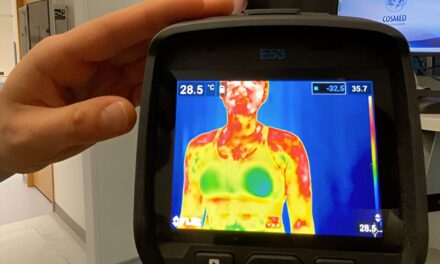
(Note: For illustrative purposes of advanced technology interfaces; conceptually similar to biopharmaceutical bioreactors)
Under the guidance of Director Prof. Dulal Panda, NIPER Mohali has emerged as a cornerstone of this mission. The institute showcased several “Centres of Excellence” focusing on:
-
Cell and Gene Therapy: Advanced treatments that modify a patient’s genes to treat or cure diseases like cancer and rare genetic disorders.
-
Biosimilars: Highly similar, more affordable versions of expensive biologic medicines used for chronic conditions like rheumatoid arthritis and diabetes.
-
AI-Driven Pharmacoinformatics: Utilizing artificial intelligence to speed up drug discovery, potentially reducing the time it takes to bring new medicines to market.
Integrating Nature and Science: The Medicinal Succulents Garden
A unique highlight of the visit was the inauguration of the NIPER Medicinal Succulents Garden. While often viewed as ornamental, succulents are increasingly recognized for their therapeutic potential in treating skin conditions, metabolic disorders, and inflammation.
Professor Panda noted that the garden is not merely for display but serves as a living laboratory for Natural Product Research. By studying the unique chemical markers of these plants, researchers hope to identify new bioactive compounds that can be synthesized into modern medications.
Practical Implications for Public Health
For the average consumer, the government’s focus on Biopharma SHAKTI and NIPER’s research translates to three major benefits:
-
Affordability: Increased domestic production of biosimilars can significantly lower the cost of life-saving treatments for cancer and autoimmune diseases.
-
Safety and Precision: The shift toward “Human-Relevant Testing” (reducing reliance on animal models) aims to create drugs that are safer and more effective for the human biological system.
-
Self-Reliance: By manufacturing Key Starting Materials (KSMs) and APIs locally, India reduces its vulnerability to global supply chain disruptions, ensuring a steady supply of essential medicines.
Addressing the Challenges
Despite the optimism, experts note significant hurdles. Transitioning to biologics requires massive infrastructure investment and a highly specialized workforce. Shri Manoj Joshi emphasized the need for “reforms in the reward system” to incentivize faculty who secure industry-sponsored research, noting that the bridge between academia and the private sector remains a bottleneck in the Indian ecosystem.
Independent industry analysts also point out that while AI-driven drug discovery is promising, the regulatory framework must evolve quickly to ensure these new technologies meet rigorous safety standards without being stifled by bureaucracy.
Medical Disclaimer: This article is for informational purposes only and should not be considered medical advice. Always consult with qualified healthcare professionals before making any health-related decisions or changes to your treatment plan. The information presented here is based on current research and expert opinions, which may evolve as new evidence emerges.
References
Institutional Sources:
-
Press Information Bureau (PIB). (2026, May 1). Union Minister Shri J. P. Nadda Visits NIPER Mohali, Reviews Biopharma Research and Innovation. Release ID: 2257336.