 0
0
 0
0
February 6, 2026
NEW DELHI — A landmark study led by oncologists at the All India Institute of Medical Sciences (AIIMS) suggests that India’s recent fiscal policy shifts—slashing taxes on lifesaving cancer medications while aggressively hiking levies on tobacco—could serve as a definitive blueprint for strengthening public health. By tackling both the affordability of treatment and the prevention of disease through the same economic lens, researchers argue that the country is poised to significantly reduce “catastrophic health expenditure” for millions of families.
A Shift Toward Affordability: The End of the “Cancer Tax”
For years, the financial toxicity of cancer treatment has been as devastating for many Indian families as the biological disease itself. Recognizing this, the Goods and Services Tax (GST) Council, in its 56th meeting, recommended a total exemption for 33 lifesaving drugs. This move effectively dropped the tax rate from as high as 12% down to 0%.
The reform was further bolstered this week when Union Finance Minister Nirmala Sitharaman announced a reduction in basic customs duty on 17 essential cancer drugs during the Budget presentation.
“India’s recent GST reforms mark a significant step toward making cancer care more affordable and accessible,” says Dr. Abhishek Shankar from the Department of Radiation Oncology at AIIMS, New Delhi, and lead author of the study. “By exempting these drugs and reducing taxes on medical equipment, the government has directly eased the financial burden on patients and families.”
The policy change focuses on “pass-through benefits,” ensuring that the reduction in tax at the federal level translates directly into lower pharmacy bills for the patient. For a middle-income family, a 12% reduction in the cost of advanced immunotherapy or targeted chemotherapy can mean the difference between completing a treatment cycle and abandoning it due to debt.
Prevention Through Taxation: The 40% Tobacco Barrier
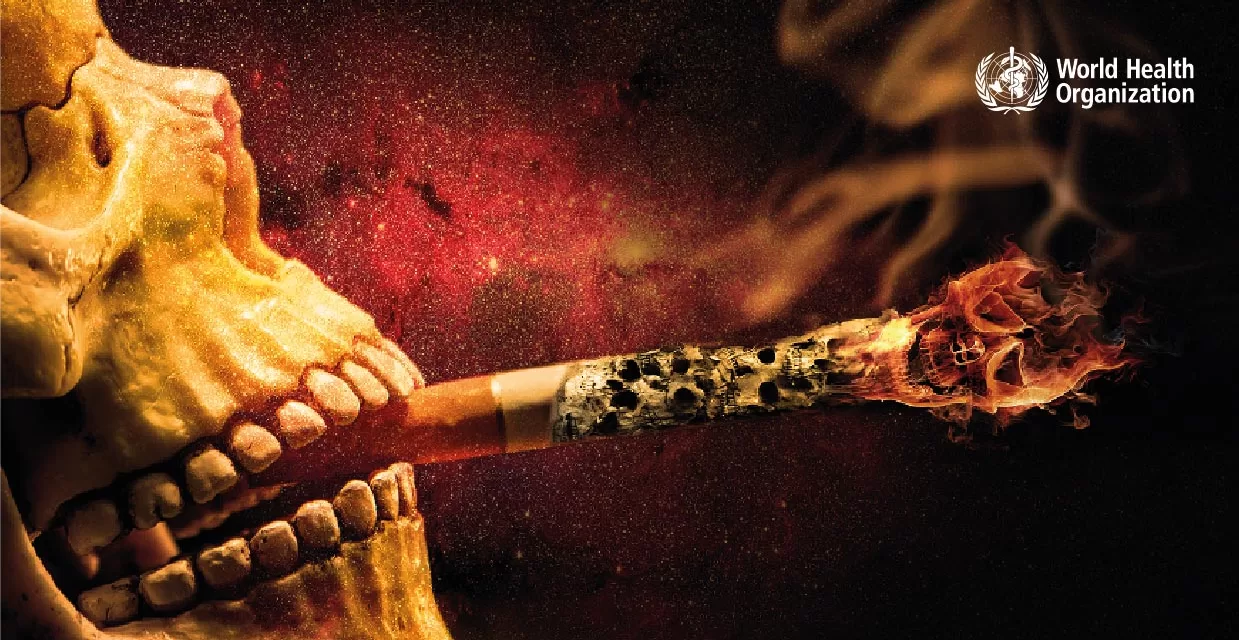
While the government is making it cheaper to treat cancer, it is simultaneously making it more expensive to cause it. As of February 1, 2026, the GST council increased the tax slab for tobacco products to 40%—the highest tax bracket for any class of goods in India.
Tobacco remains the leading preventable cause of cancer globally. According to the World Health Organization (WHO) and the International Agency for Research on Cancer (IARC), tobacco use is responsible for roughly 15% of all new cancer cases.
“A higher taxation on tobacco products reinforces prevention by discouraging consumption,” Dr. Shankar explains. “It also generates revenue that can be redirected toward public health infrastructure.”
The Economic Impact of Tobacco Taxes
The AIIMS study highlights that aggressive taxation leads to four primary public health gains:
-
Gains in Life Years: Lower consumption directly correlates to fewer cases of lung, oral, and esophageal cancers.
-
Averted Treatment Costs: Preventing a single case of cancer saves the state and the individual lakhs of rupees in long-term care.
-
Reduced Premature Mortality: Keeping breadwinners in the workforce longer by preventing tobacco-related deaths.
-
Poverty Prevention: Reducing the likelihood of families falling below the poverty line due to “catastrophic health expenditure.”
Expert Perspectives: A Balanced View
Outside experts agree that while the policy is a massive win, the execution must be monitored.
“The logic is sound: tax the ‘bads’ to fund the ‘goods’,” says Dr. Aranya Sen, a public health policy consultant not involved in the AIIMS study. “However, the challenge in India has always been the ‘last mile.’ We must ensure that hospitals and private pharmacies don’t absorb the tax cuts as profit, but actually lower the retail price for the patient sitting in the waiting room.”
Dr. Sen also noted that while the 40% tobacco tax is historic, the government must remain vigilant against the rise of illicit, untaxed tobacco products that often flood the market when prices rise.
Global Implications: A Model for the Global South
The AIIMS study suggests that India’s “tax-and-exempt” model could serve as a guide for other nations in Southeast Asia and Africa that share similar socio-economic challenges. By using tax structures to influence health behavior, developing nations can manage the rising “non-communicable disease” (NCD) crisis without solely relying on massive increases in direct healthcare spending.
“These reforms signal a balanced policy approach,” Dr. Shankar noted. “One that supports treatment, promotes healthier behavior, and strengthens India’s commitment to equitable cancer care.”
What This Means for You
For the average citizen, these changes mean two things:
-
For Patients: If you or a loved one is undergoing cancer treatment, check with your healthcare provider or hospital pharmacist to ensure the GST exemptions are being applied to your billing.
-
For the Public: The cost of tobacco products will continue to rise. Public health officials emphasize that there has never been a better—or more cost-effective—time to utilize smoking cessation programs.
Statistical Snapshot
-
33: The number of lifesaving drugs now exempted from GST.
-
40%: The new GST rate on tobacco products, the highest in the country.
-
15%: Percentage of all new global cancer cases attributed to tobacco use.
-
12% to 0%: The tax drop for critical cancer and rare-disease medications.
References
- https://www.ndtv.com/health/gst-cuts-on-cancer-drugs-higher-tobacco-tax-boosting-public-health-aiims-study-10951486
Medical Disclaimer: This article is for informational purposes only and should not be considered medical advice. Always consult with qualified healthcare professionals before making any health-related decisions or changes to your treatment plan. The information presented here is based on current research and expert opinions, which may evolve as new evidence emerges.