 0
0
 0
0
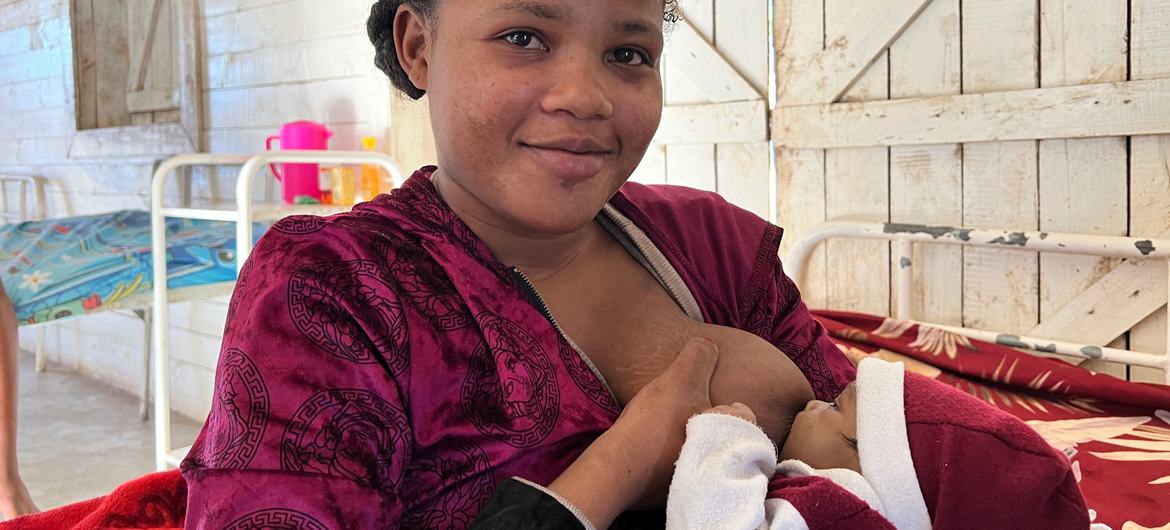
NEW DELHI — Exclusive breastfeeding among Indian infants under six months has dropped significantly from 63.7% in 2019-21 to 55.8% in 2023-24, according to the National Family Health Survey-6 (NFHS-6) released by the Ministry of Health and Family Welfare. This unexpected shift reverses a decade-long trend of improvement, alarming public health experts who are calling the situation a national nutrition emergency. The data reveals a stark paradox: while India has achieved nearly universal institutional births (deliveries occurring in medical facilities) at 90.6%, up from 88.6%, the country is struggling to translate healthcare access into optimal infant feeding practices.
Key Findings: An Alarming Reversal
The latest survey, conducted across 715 districts and covering nearly 6.79 lakh households, highlights a critical setback. Nutrition experts consider exclusive breastfeeding for the first six months to be the most cost-effective nutrition intervention available, offering lifelong benefits for both mothers and babies.
The national decline, however, masks dramatic regional disparities. Several states with the highest birth volumes recorded the most concerning drops.
State-by-State Breastfeeding Trajectories (NFHS-5 vs. NFHS-6)
| State | NFHS-5 (2019-21) Rate | NFHS-6 (2023-24) Rate | Net Change |
| Haryana | ~70.0% | 41.0% | −29.0% |
| Uttar Pradesh | ~60.0% | 35.0% | −25.0% |
| Madhya Pradesh | 74.0% | 56.0% | −18.0% |
| Rajasthan | >70.0% | 54.0% | −16.0% |
| Uttarakhand | ~53.0% | 41.0% | −12.0% |
| Assam | 64.0% | 54.0% | −10.0% |
Conversely, some states demonstrated resilient improvement. Chhattisgarh leads the nation at 75.8%, followed closely by Kerala at 72.7% and Gujarat at 71.4%.
Encouragingly, early breastfeeding initiation—the practice of feeding an infant within the first hour of birth—improved nationally from 42% in NFHS-5 to 50% in NFHS-6. States like Jharkhand (jumping from 22% to 46.8%) and Bihar (rising from 31% to 52%) registered significant gains in this category, showing that immediate post-birth interventions are gaining traction even as long-term compliance falls.
The C-Section Connection
Public health advocates point to a strong correlation between rising surgical deliveries and declining breastfeeding rates. NFHS-6 data shows that caesarean section (C-section) deliveries climbed from 21.5% of all births in the previous survey to 27.2% in NFHS-6. At private hospitals, the numbers are particularly stark: over half of all deliveries (54.1%) are now C-sections. Public facilities also saw an increase, rising from 14.3% to 16.9%.
Expert organizations like the Breastfeeding Promotion Network of India (BPNI) highlight that in urban areas, high C-section rates act as a critical structural barrier. Surgical interventions can disrupt immediate skin-to-skin contact, delay early breastfeeding initiation, hinder standard “rooming-in” practices (keeping mother and baby together), and inadvertently weaken maternal confidence if proper lactation support is missing during post-operative recovery.
Commercial Marketing and Systemic Gaps
Aggressive commercial marketing is identified as another major threat to infant nutrition. Experts warn that an unprecedented expansion of digital and indirect marketing for infant formula and commercial baby foods is normalizing formula feeding and undermining traditional breastfeeding practices.
This trend persists despite India’s Infant Milk Substitutes (IMS) Act, which strictly regulates the promotion of breastmilk substitutes. The wide variations in performance from state to state strongly indicate uneven enforcement of the law, alongside notable gaps in mandatory counseling and hospital-based support services.
Global Standards and Health Implications
The World Health Organization (WHO) and UNICEF recommend that infants be exclusively breastfed for the first six months of life, meaning the infant receives only breast milk without any additional food or water. Following this period, continued breastfeeding alongside safe complementary foods is recommended up to two years of age or beyond.
Clinical Reality: Extensive scientific evidence confirms that exclusive breastfeeding for six months offers superior protection against gastrointestinal and respiratory infections, significantly reduces infant mortality from diarrhea and pneumonia, and supports optimal cognitive development. For mothers, the practice aids in more rapid uterine recovery and weight loss post-birth.
Study Limitations and Conflicting Perspectives
While NFHS-6 provides robust, population-level data, medical professionals urge cautious interpretation of certain indicators. Independent clinicians point out that while the survey highlights a sharp increase in surgical births, it does not capture the underlying clinical reasons or medical necessity behind these procedures, making it difficult to definitively separate medical overuse from essential, life-saving care.
Additionally, because the survey relies on self-reported feeding data from mothers, it may be subject to social desirability bias—where respondents answer based on what they believe is the preferred practice. The data also leaves questions unanswered as to why states with similar healthcare infrastructures diverged so sharply, suggesting that local cultural factors and varying regional health worker training play a profound role.
On a broader scale, child nutrition indicators show mixed progress. While breastfeeding rates declined, overall child stunting decreased to 29.3% and severe wasting dropped to 5.2%, likely driven by targeted government interventions like the Poshan Abhiyaan (National Nutrition Mission). However, public health specialists warn that failing to reverse the breastfeeding decline will ultimately bottleneck India’s long-term progress against childhood malnutrition.
Practical Takeaways for Parents and Healthcare Providers
The shifting landscape outlined by NFHS-6 requires active adjustments from both families and medical institutions:
-
Antenatal Preparation: Expectant parents should proactively request breastfeeding counseling and lactation support during third-trimester prenatal visits rather than waiting until after delivery.
-
Navigating Surgical Births: A C-section does not preclude successful breastfeeding. Parents should discuss post-operative skin-to-skin protocols with their obstetrician and request early lactation assistance in the recovery room.
-
Media Literacy: Families should maintain a critical view of digital advertisements that present infant formula as an effortless or superior alternative to breast milk.
-
Institutional Accountability: Maternity hospitals face growing pressure to revitalize the government’s MAA (Mothers’ Absolute Affection) program, ensuring that dedicated lactation consultants are accessible to every new mother before hospital discharge.
Reference Section
- https://health.economictimes.indiatimes.com/news/industry/breastfeeding-rates-for-infants-have-fallen-sharply-shows-nfhs/131431895?utm_source=latest_news&utm_medium=homepage
Medical Disclaimer: This article is for informational purposes only and should not be considered medical advice. Always consult with qualified healthcare professionals before making any health-related decisions or changes to your treatment plan. The information presented here is based on current research and expert opinions, which may evolve as new evidence emerges.