 0
0
 0
0
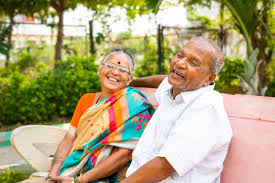
NEW DELHI — India stands on the precipice of a monumental demographic transition. Long celebrated for its young workforce, the nation is quietly accelerating toward a significant shift: by 2050, nearly one in five Indians will be over the age of 60.
This dramatic demographic shift, detailed in national data and reports supported by the United Nations Population Fund (UNFPA) and the International Institute for Population Sciences (IIPS), poses unprecedented challenges for public health infrastructure. Yet, public health policy experts argue that with proactive reforms, this shift could yield a valuable “silver dividend,” transforming older adults from dependent care-seekers into vital economic and social contributors.
What the Numbers Reveal: A Rapid Demographic Shift
Data from the landmark Longitudinal Ageing Study in India (LASI)—a nationally representative survey covering more than 73,000 adults aged 45 and above across the country—provides the clearest empirical foundation yet for India’s changing age structure.
In 2022, approximately 140 million Indians were aged 60 or above, representing roughly 10% of the total population. According to projections from IIPS and UNFPA, that number will more than double to nearly 340 million by 2050, accounting for 19% to 20.8% of the country’s population.
   INDIA'S ELDERLY POPULATION PROJECTION (60+ Years)

   2022:  ██████ 140 Million (~10% of population)
   2050:  ███████████████ 340 Million (~20% of population)
However, longevity does not automatically equal healthy living. Wave-1 findings from the LASI report highlight a significant burden of multi-morbidity among older citizens:
-
75% of older adults suffer from at least one chronic illness (such as cardiovascular disease, diabetes, or hypertension).
-
40% experience some form of functional disability affecting daily activities.
-
20% suffer from mental health conditions, including depression and cognitive decline.
Straining a Reactive Healthcare Infrastructure
India’s healthcare architecture has historically been designed for episodic care—treating acute infectious illnesses and trauma. Ageing, however, demands continuous, coordinated long-term management.
Currently, the care of older adults relies overwhelmingly on informal family support networks. As younger family members become more geographically mobile for education and employment, these traditional safety nets face mounting pressure.
“Ageing is rarely a single-disease process; it involves the complex interplay of multiple chronic conditions, mobility limitations, polypharmacy, and social isolation,” notes public health research published alongside WHO-linked LASI background analyses.
To accommodate this shift, primary health systems must evolve to provide:
-
Specialized geriatric wards and clinical training across all tiers of care.
-
Community-based rehabilitation and physical therapy programs.
-
Comprehensive home-care services and caregiver support networks.
-
Preventive screening for early detection of non-communicable diseases (NCDs) and neurodegenerative conditions like dementia.
The “Silver Dividend”: Turning Experience into Economic Strength
While the health burden is real, demographic experts caution against viewing an ageing population purely as a societal strain.
Prof. T.V. Sekher of the IIPS emphasizes that older adults represent a vast, underutilized reservoir of institutional knowledge, professional wisdom, and social capital. Flexible work arrangements, lifelong learning initiatives, and legislative measures to curb age discrimination in employment and services could unlock significant economic value.
       ┌────────────────────────────────────────────────────────┐
       │             THE "SILVER DIVIDEND" CYCLE                │
       └───────────────────────────┬────────────────────────────┘
                                   │
                                   ▼
          ┌──────────────────────────────────────────────────┐
          │  Early NCD Prevention & Active Ageing Policies   │
          └────────────────────────┬─────────────────────────┘
                                   │
                                   ▼
          ┌──────────────────────────────────────────────────┐
          │  Extended Workplace Health & Economic Agility    │
          └────────────────────────┬─────────────────────────┘
                                   │
                                   ▼
          ┌──────────────────────────────────────────────────┐
          │ Sustained Community Contributions & Independence │
          └──────────────────────────────────────────────────┘
If older adults remain healthier and economically active for longer, they can continue to contribute to family incomes, mentor younger workers, and support local economies, effectively offsetting dependency ratios.
Regional Disparities and Systemic Limitations
Policy experts warn against relying on national averages, as demographic ageing across India is highly uneven.
Southern states—such as Kerala, Tamil Nadu, and Andhra Pradesh—are ageing significantly faster than northern states due to earlier drops in fertility rates and higher life expectancies. Projections indicate that older adults will comprise nearly 20% of the population in several southern states as early as 2036. Consequently, healthcare planning and social security allocations require decentralized, region-specific strategies rather than a rigid, uniform model.
Furthermore, economic realities complicate the “silver dividend” vision. A large portion of India’s current elderly population works in the informal sector, lacking formal pensions, health insurance, or savings. Without robust social safety nets and targeted health coverage, the cost of long-term care risks driving vulnerable households into financial distress.
Practical Action: What This Means for Individuals and Families
Public health authorities stress that healthy ageing is a lifelong process that begins decades before retirement. The findings from LASI suggest several actionable steps for individuals and families:
-
Prioritize Early Prevention: Regular screening for blood pressure, blood sugar, and cholesterol starting in young adulthood significantly reduces late-life cardiovascular and metabolic complications.
-
Maintain Mobility and Social Ties: Routine physical activity and continuous engagement in community or professional networks are strongly linked to lower rates of cognitive decline and depression.
-
Proactive Family Financial and Care Planning: Families should initiate early conversations regarding health insurance, long-term care preferences, and estate management rather than waiting for an acute medical crisis.
The Path Ahead
India stands at a pivotal juncture. The scale of its ageing population makes status-quo healthcare models unsustainable. However, by expanding geriatric care, reinforcing primary health networks, and fostering age-inclusive workplaces, India can transform a daunting demographic challenge into a resilient, healthy, and economically vibrant transition.
Medical Disclaimer
Medical Disclaimer: This article is for informational purposes only and should not be considered medical advice. Always consult with qualified healthcare professionals before making any health-related decisions or changes to your treatment plan. The information presented here is based on current research and expert opinions, which may evolve as new evidence emerges.
References
-
Indian Express. “By 2050, one in five Indians will be over 60: Why is that a silver lining?” Published July 20, 2026.