 0
0
 0
0
In a landmark shift for global women’s health, leading international health organizations and researchers have proposed retiring the term polycystic ovary syndrome (PCOS) in favor of a more accurate diagnostic label: polyendocrine metabolic ovarian syndrome (PMOS). The new nomenclature reframes a condition historically viewed as a localized gynecological problem into a complex, multi-system hormonal and metabolic disorder. In India—where recent estimates indicate that as many as one in five women of reproductive age may live with the condition—medical experts say this clinical reclassification could revolutionize early detection, reduce social stigma, and broaden treatment beyond reproductive management.
Why the Misleading Name Needed an Overhaul
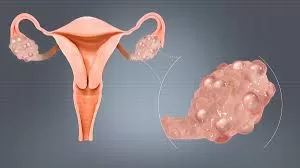
For decades, the term polycystic ovary syndrome created widespread confusion for both patients and clinicians. The name implied that the primary feature of the condition was the presence of fluid-filled cysts on the ovaries. In reality, many individuals diagnosed with the condition never develop ovarian cysts, while others without the disorder can display harmless ovarian follicles on ultrasound imaging.
To address this disconnect, a major consensus process led by Professor Helena J. Teede and colleagues at Monash University, published in The Lancet, brought together 14,360 affected individuals and multidisciplinary healthcare professionals across the globe. The consortium selected polyendocrine metabolic ovarian syndrome (PMOS) to better capture the systemic nature of the disease.
“Calling this condition ‘polycystic ovary syndrome’ was akin to describing a systemic engine malfunction as a minor dashboard indicator light,” explains Dr. Sunita Rao, an independent senior endocrinologist in New Delhi who was not involved in the consensus paper. “The old name focused heavily on the organ downstream—the ovary—while missing the central metabolic and endocrine drivers like insulin resistance and systemic inflammation. The shift to PMOS reflects what clinicians see every day in practice.”
By embedding “polyendocrine” and “metabolic” into the core definition, the new framing signals to care providers that a patient’s health strategy must address long-term cardiometabolic risks alongside reproductive concerns.
The Scale in India: Unpacking the Data
The reclassification comes at a critical time for public health in India, where epidemiological data highlight a heavy national burden. According to a systematic review and meta-analysis led by Bharali et al., pooled prevalence estimates for the condition in India stood at 11.33% using Rotterdam diagnostic criteria, with individual study prevalence ranging widely from 4.17% to 22.5%.
More recent national tracking coordinated by the Indian Council of Medical Research (ICMR) suggests the true prevalence among reproductive-age Indian women may be as high as 19.3%—roughly one in five women. Researchers note that early regional studies in India suffered from small sample sizes and inconsistent diagnostic methodologies, prompting nationwide protocol initiatives, such as those detailed by Ganie et al., to establish comprehensive cohort tracking.
Underlying Drivers: Genetics, Lifestyle, and ‘Lean PMOS’
The high prevalence of PMOS in South Asia stems from a combination of underlying biology and environmental shifts:
-
Insulin Resistance Trait: South Asian populations exhibit a documented biological predisposition to insulin resistance, abdominal visceral fat accumulation, and type 2 diabetes at lower body mass index (BMI) thresholds compared to Western populations.
-
Modern Lifestyle Pressures: Rapid urbanization, sedentary routines, chronic psychological stress, irregular sleep patterns, and diets rich in ultra-processed carbohydrates have exacerbated metabolic vulnerability across urban and rural centers alike.
-
The “Lean PMOS” Manifestation: Experts emphasize that PMOS does not only affect individuals with elevated body weight. A significant proportion of Indian women present with “lean PMOS,” experiencing severe endocrine disruption, hyperandrogenism, and glucose intolerance despite maintaining a normal BMI.
Because societal discussions in India frequently focus on fertility, young women often delay seeking medical evaluation until they encounter difficulty conceiving, or present with cosmetic symptoms such as persistent acne or unwanted facial hair growth (hirsutism). Consequently, underlying metabolic abnormalities often remain unaddressed for years.
Public Health Implications: Looking Beyond Fertility
The public health consequences of PMOS extend well beyond menstrual irregularity and reproductive care. The condition is closely linked to a cascade of long-term health challenges, including:
-
Elevated risk of Type 2 Diabetes Mellitus and prediabetes
-
Dyslipidemia (unfavorable blood cholesterol profiles) and hypertension
-
Nonalcoholic fatty liver disease (NAFLD)
-
Obstructive sleep apnea
-
Higher incidence of anxiety, depression, and reduced quality of life
For healthcare providers, the adoption of PMOS reinforces the necessity of comprehensive clinical screening. A diagnosis should ideally prompt routine metabolic workups—including fasting blood glucose, HbA1c, lipid panels, and blood pressure monitoring—alongside tailored advice regarding nutrition, sleep, and physical activity, rather than relying solely on oral contraceptives to regulate menstrual cycles.
Limitations, Counterarguments, and Differential Diagnoses
While public health leaders have welcomed the PMOS nomenclature, medical authorities emphasize several important caveats during this transition period:
-
Systemic Adoption Lag: Transitioning diagnostic codes across electronic health record systems, health insurance frameworks, and clinical guidelines will take time globally.
-
Risk of Overdiagnosis: Menstrual irregularity and hyperandrogenism are not exclusive to PMOS. Clinicians must carefully differentiate PMOS from other endocrine conditions, such as thyroid dysfunction, hyperprolactinemia, hypothalamic amenorrhea, or non-classic congenital adrenal hyperplasia (CAH).
-
Variability in Diagnostic Criteria: Historical prevalence estimates vary significantly due to differing study methodologies, underscoring the need for standardized diagnostic protocols in future epidemiological research.
Health professionals caution against self-diagnosis via social media trends, advising individuals to seek formal clinical evaluation.
Practical Action: What This Means for Readers
For the general public, the primary takeaway of the PMOS transition is proactive health management. Women experiencing persistent signs of endocrine imbalance should consult a qualified healthcare provider for a thorough assessment.
Key Symptoms Worth Discussing With a Clinician:
• Irregular, infrequent, or absent menstrual periods
• Persistent facial or body hair growth (hirsutism)
• Severe or treatment-resistant adult acne
• Unexplained hair thinning or male-pattern baldness
• Darkened patches of skin in body folds (acanthosis nigricans)
Ultimately, the proposed shift to PMOS aims to remove stigma, demystify a complex condition, and ensure that millions of affected women receive timely, holistic care that protects their long-term health.
References
-
The Indian Express. One in five Indian women now lives with PMOS: Why is it rising? Published July 19, 2026.
Medical Disclaimer: This article is for informational purposes only and should not be considered medical advice. Always consult with qualified healthcare professionals before making any health-related decisions or changes to your treatment plan. The information presented here is based on current research and expert opinions, which may evolve as new evidence emerges.