 0
0
 0
0
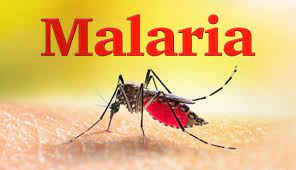
In a significant advancement for global infectious disease research, a team of researchers from India and the United Kingdom has identified a crucial biological protein that acts as a cell-division “switch” in the malaria-causing parasite, Plasmodium.
The discovery, published in Nature Communications, centers on a specific protein called Aurora-related kinase 1 (ARK1). By demonstrating that disabling this protein halts parasite replication across multiple lifecycle stages, the study highlights a promising vulnerable target for future antimalarial medications. However, public health experts emphasize that while the findings mark an exciting breakthrough in basic science, the discovery remains at an early laboratory stage and is not an immediate clinical cure.
The Mechanism: How Turning Off ARK1 Disrupts Division
To understand the discovery, it helps to imagine how cells divide. When a single cell reproduces, it relies on an internal scaffold called a spindle—a microscopic structure of fibers that carefully aligns and pulls genetic material apart into two new cells.
In laboratory experiments, the research team discovered that ARK1 regulates spindle formation during the parasite’s atypical cell division process. When researchers turned off or deactivated ARK1:
-
The parasite was unable to form functional spindles.
-
Chromosomal segregation and cellular replication completely failed.
-
The organism could not complete its development, halting progression in both human tissue models and mosquito vectors.
Because ARK1 plays a vital role across different phases of the parasite’s life, scientists classify it as a multistage target. Hitting a target that operates in both human host cells and mosquito vectors could theoretically clear active infections while simultaneously preventing transmission to others.
A Rising Threat: The Race Against Antimalarial Resistance
The finding comes at a crucial moment in the global battle against vector-borne illness. According to World Health Organization estimates, malaria caused approximately 282 million cases and 610,000 deaths worldwide in 2024, placing severe pressure on healthcare infrastructure in endemic regions.
A primary driver behind the push for novel drug targets is the spread of parasite resistance to existing frontline therapies, including artemisinin-based combination treatments.
“This is an exciting piece of basic science because it reveals a parasite process that is structurally very different from human cell division,” explained an independent malaria researcher not involved in the study. “Differences like this are exactly what drug developers look for, because the ideal therapeutic target harms the parasite without causing toxicity in human cells.”
Public Health Implications: What This Means for Readers
While the identification of ARK1 offers long-term hope, experts stress that it will not immediately alter daily health management or clinical practice. Converting a biological target into an approved medication typically takes a decade or more of rigorous development.
| Stage of Development | Status | Key Milestones |
| Target Identification | Completed | Discovering ARK1’s role in parasite spindle formation (Nature Communications). |
| Compound Screening | Pending | Testing thousands of molecules to find ones that specifically block ARK1. |
| Preclinical Safety Testing | Pending | Evaluating drug candidates in animal models for efficacy and toxicity. |
| Human Clinical Trials | Pending | Phases I–III testing safety, dosage, and real-world clinical effectiveness. |
Guidance for High-Risk Areas
For individuals living in or traveling to endemic areas—including parts of India and Sub-Saharan Africa—proven prevention protocols remain essential:
-
Mosquito Control: Use insecticide-treated bed nets (ITNs) and indoor residual spraying.
-
Early Diagnostics: Seek immediate rapid diagnostic testing (RDT) at the onset of fever.
-
Treatment Adherence: Complete full courses of prescribed antimalarial medications to prevent partial treatment resistance.
Limitations and Future Directions
The main limitation of the study is its preliminary nature. A biological mechanism that shows promise inside a laboratory dish or experimental model faces numerous technical hurdles before becoming a viable drug.
Many promising targets fail in subsequent development phases due to unforeseen toxicity, poor chemical absorption in humans, or unexpected adaptive mechanisms within the parasite. Translating this laboratory victory into a safe, affordable pill will require years of compound optimization, preclinical animal studies, and human clinical trials.
Nevertheless, for countries like India—where malaria control remains a public health priority—uncovering cellular targets like ARK1 expands the scientific toolkit needed to outpace drug resistance and work toward ultimate disease elimination.
References
-
News Reporting: Indian scientists may have found a way to stop malaria. Times of India (Published July 26, 2026).
Medical Disclaimer: This article is for informational purposes only and should not be considered medical advice. Always consult with qualified healthcare professionals before making any health-related decisions or changes to your treatment plan. The information presented here is based on current research and expert opinions, which may evolve as new evidence emerges.