 0
0
 0
0
NEW DELHI — In a major reform aimed at refining national health metrics, the Ministry of Health and Family Welfare (MoH&FW) announced that the indicator framework for the sixth round of the National Family Health Survey (NFHS-6) has been officially finalized under a government-wide data harmonization initiative. In a written statement presented to the Rajya Sabha on August 4, 2026, Union Minister of State for Health and Family Welfare Smt. Anupriya Patel outlined how the restructuring aims to eliminate conflicting data points across official agencies while shifting the tracking of anaemia to an independent, laboratory-grade survey.
The update follows the release of the NFHS-6 (2023–24) National and State/UT Fact Sheets on May 29, 2026. The decision to streamline key indicators was guided by the NFHS-6 Technical Advisory Committee (TAC), an inter-ministerial panel comprising representatives from NITI Aayog, the Ministry of Statistics and Programme Implementation (MoSPI), the Ministry of Women and Child Development (MoWCD), the Office of the Registrar General of India (ORGI), the Department of Drinking Water and Sanitation (DDWS), and the Department of Empowerment of Persons with Disabilities (DEPwD).
Crucially, the Health Ministry confirmed that national anaemia prevalence estimates will no longer be drawn from finger-prick blood samples in the main survey. Instead, India will rely on prevalence figures generated by an independent survey led by the Indian Council of Medical Research (ICMR), which utilizes the gold-standard intravenous blood sampling method for hemoglobin testing.
Eliminating Data Inconsistencies Through Harmonization
For decades, the National Family Health Survey—conducted by the International Institute for Population Sciences (IIPS) under the aegis of the MoH&FW—has served as India’s premier demographic and health benchmark. However, overlapping data collection between multiple government agencies frequently created administrative friction and public confusion.
For instance, while previous NFHS rounds tracked infant mortality and sanitation access, parallel datasets were simultaneously generated by the Sample Registration System (SRS) under the Ministry of Home Affairs and the Swachh Bharat Mission under the Department of Drinking Water and Sanitation.
To resolve these discrepancies, the TAC recommended pruning the fact sheet parameters to focus strictly on core health and family welfare indicators. The total number of key indicators in the fact sheet dropped from 131 in NFHS-5 to 101 in NFHS-6, focusing the spotlight on maternal care, child nutrition, family planning, and non-communicable disease screening.
“Data harmonization is not about suppressing information; it is about establishing single, authoritative sources of truth for specific public health metrics,” explains Dr. Sunita Deshmukh, a senior epidemiologist and public health policy analyst at the Delhi School of Public Health, who was not involved in the TAC committee. “When three different ministries publish slightly different figures for the same health parameter, it dilutes policy focus and hampers targeted resource allocation.”
The Science Shift: Capillary vs. Venous Blood Testing for Anaemia
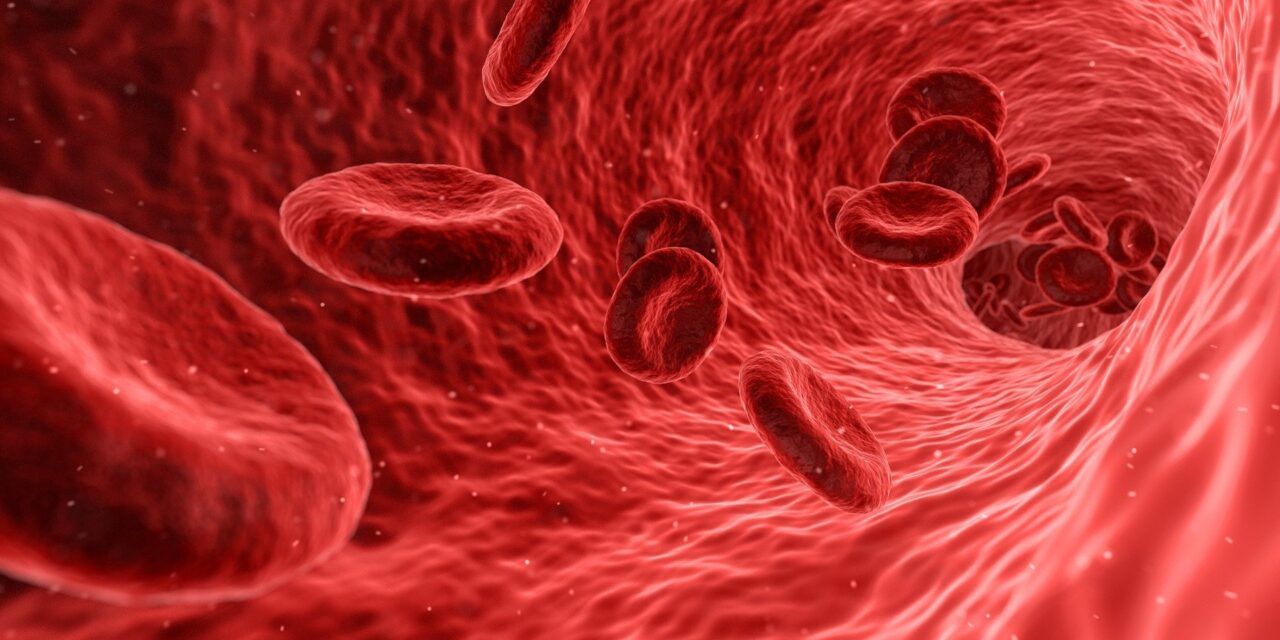
The most notable structural shift in NFHS-6 is the exclusion of anaemia prevalence data from the primary factsheet. Anaemia—a condition characterized by a shortage of healthy red blood cells or hemoglobin, leading to reduced oxygen flow throughout the body—remains one of India’s most persistent public health challenges.
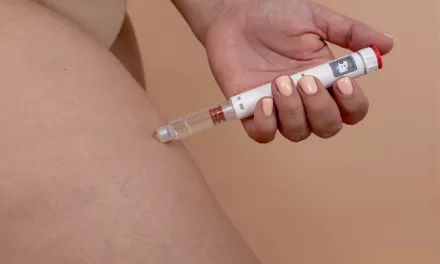
In previous survey rounds, field workers measured hemoglobin using a capillary blood test, which involves pricking a participant’s fingertip and analyzing a drop of blood with a portable point-of-care analyzer. While fast and practical for field conditions, medical researchers have long cautioned that capillary testing can produce inconsistent results.
┌────────────────────────────────────────────────────────────────────────┐
│                   HEMOGLOBIN TESTING METHODOLOGY                       │
├───────────────────────────────┬────────────────────────────────────────┤
│ Capillary Test (Finger-Prick) │ Venous Test (Intravenous Draw)        │
├───────────────────────────────┼────────────────────────────────────────┤
│ • Used in NFHS-4 & NFHS-5     │ • Adopted for ICMR Biomarker Survey   │
│ • Measures blood from capillaries │ • Measures blood drawn from a vein │
│ • Prone to dilution by tissue │ • Globally recognized "Gold Standard"  │
│   fluid and squeeze pressure  │ • Provides stable, highly reproducible │
│ • Tends to overstate anaemia  │   hemoglobin & nutrient values         │
└───────────────────────────────┴────────────────────────────────────────┘
When a finger is squeezed to extract blood, intracellular fluid can mix with the sample, diluting the blood and artifically depressing hemoglobin readings. Environmental factors such as temperature, dehydration, and operator technique also introduce variability.
Data from NFHS-5 (2019–21) indicated that 67.1% of children aged 6–59 months and 57.0% of women aged 15–49 were anaemic. However, clinical nutritionists questioned whether these staggering figures accurately reflected population health or were skewed by testing flaws.
To establish precision, the Ministry of Health opted to adopt figures from the ICMR-National Institute of Nutrition (NIN) Diet and Biomarkers Survey. This dedicated study draws venous blood directly from a vein using a sterile needle, transporting samples to certified laboratories for automated analyzer testing.
“Venous blood drawing is the undisputed gold standard in clinical hematology,” says Dr. Rajesh K. Parikh, a consultant hematologist at a leading research hospital in Mumbai. “Capillary testing is a useful screening tool in rural clinics, but for nationwide policy formulation and billion-dollar iron fortification programs, you need the analytical precision that only venous sampling provides.”
Public Health Implications for Indian Households
For everyday citizens and healthcare practitioners, the shift in data reporting carries real-world consequences:
-
Targeted Nutritional Interventions: More accurate anaemia data will help government initiatives, such as the Anaemia Mukt Bharat campaign, deliver iron and folic acid supplements where they are genuinely needed rather than applying broad-brush interventions.
-
Better Clinical Guidance: Individuals diagnosed with anaemia through routine healthcare visits should ensure their diagnosis is confirmed via formal lab-based venous blood tests before starting high-dose iron therapy.
-
Streamlined Monitoring: By aligning survey indicators across departments, local health centers can track maternal and child health outcomes with fewer administrative redundancies.
Expert Commentary & Methodological Debates
While the adoption of ICMR’s gold-standard method has drawn widespread praise from laboratory scientists, some public health experts advocate caution regarding the reduction of indicators in the NFHS-6 fact sheet.
Critics argue that dropping long-standing indicators—such as detailed sanitation metrics or sex ratio at birth—from the main survey summary could make longitudinal tracking more difficult for independent researchers.
“Streamlining data is beneficial, but transparency remains paramount,” notes Dr. Arishti Sen, a demographer specializing in South Asian health trends. “While the Sample Registration System tracks infant mortality and ICMR tracks anaemia, having these datasets published at different intervals can temporarily obscure the full picture of community health. Ensuring seamless access to raw data across all surveys will be vital for independent research.”
Despite these debates, government officials maintain that the integrated, harmonized approach will deliver a cleaner, more actionable dataset. The final findings from ICMR’s biomarker survey are expected to offer the clearest baseline yet for India’s nutritional roadmap.
Medical Disclaimer
Medical Disclaimer: This article is for informational purposes only and should not be considered medical advice. Always consult with qualified healthcare professionals before making any health-related decisions or changes to your treatment plan. The information presented here is based on current research and expert opinions, which may evolve as new evidence emerges.
References
-
Press Information Bureau (PIB), Government of India. “Update on NFHS-6.” Ministry of Health and Family Welfare, Statement presented in Rajya Sabha by MoS Smt. Anupriya Patel. Published August 04, 2026. PIB Release ID: 2294277.