 0
0
 0
0
NEW DELHI — In a move to stabilize the cost of life-saving cardiac care, the National Pharmaceutical Pricing Authority (NPPA) has announced revised ceiling prices for coronary stents, effective April 1, 2026. Under the new notification, the price for Drug-Eluting Stents (DES) is set at ₹39,186, while Bare-Metal Stents (BMS) are capped at ₹10,762, exclusive of GST.
The adjustment, issued under the Drugs (Prices Control) Order (DPCO) 2013, reflects a modest 0.65% increase based on the Wholesale Price Index (WPI). While the hike is marginal compared to previous years, it underscores a decade-long regulatory effort to prevent predatory pricing in a country where cardiovascular disease remains the leading cause of mortality.
The New Pricing Landscape
The NPPA’s Order S.O. 1587(E) provides a clear framework for what patients and providers can expect to pay for the hardware of an angioplasty:
-
Drug-Eluting Stents (DES): Includes metallic DES and bioresorbable vascular scaffolds (BVS). The new cap is ₹39,186.03, up from ₹38,933.14 in 2025.
-
Bare-Metal Stents (BMS): The ceiling price is now ₹10,762.15, a slight increase from the 2025 rate of ₹10,692.69.
While these caps regulate the cost of the device itself, the NPPA reminds consumers that the final hospital bill will include GST, procedure charges, physician fees, and anesthesia costs.
A Decade of Regulation: How We Got Here
Before 2017, the “Wild West” of medical device pricing in India saw stents sold for anywhere between ₹45,000 and ₹1,20,000. For many Indian families, a sudden heart attack didn’t just represent a health crisis; it represented a looming financial catastrophe.
In February 2017, the Indian government categorized stents as “essential medicines,” slashing prices by nearly 85%. Since then, the NPPA has utilized annual WPI adjustments to keep pace with inflation while maintaining the core mission of affordability. The 2026 revision is notably gentler than the 1.74% hike seen in 2025, suggesting a period of relative price stabilization.
Clinical Context: Why the Stent Type Matters
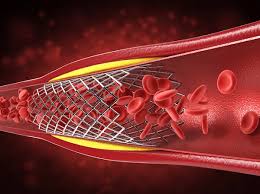
A coronary stent is a microscopic mesh tube inserted into a blocked artery to restore blood flow.
-
BMS are simpler stainless steel or cobalt-chromium tubes. While effective, they carry a higher risk of “restenosis”—where the artery narrows again due to scar tissue growth.
-
DES are coated with medication that slowly releases into the artery wall to prevent that scar tissue from forming. Consequently, DES are the clinical gold standard for most modern cardiac interventions.
The Expert Debate: Innovation vs. Access
The medical community remains divided on the long-term impact of strict price caps.
“The NPPA caps have undoubtedly made heart interventions far more affordable for the common man,” says a senior interventional cardiologist based in New Delhi. “However, the challenge is to ensure that newer technologies, such as advanced bioresorbable stents, are not priced out of the Indian market entirely.”
Industry advocates from medical device manufacturers’ associations have expressed concerns that slim profit margins may disincentivize the introduction of “next-gen” global technologies to India. They argue that if the cap is too low, manufacturers may prioritize markets with higher returns, potentially leaving Indian patients with older technology.
Conversely, health economists argue that the sheer volume of the Indian market—where cardiovascular disease accounts for roughly 28% of all deaths—provides enough “scale” for manufacturers to remain profitable even at lower price points.
What This Means for Your Next Hospital Visit
For patients navigating the healthcare system, these price caps offer a level of protection against overcharging. However, transparency remains a challenge. Experts suggest three practical steps for families:
-
Request an Itemized Estimate: Before the procedure, ask for a breakdown that separates the stent cost from “package charges.” Ensure the stent price does not exceed the NPPA cap.
-
Verify the Stent Type: Ask your cardiologist why a specific stent (BMS vs. DES) is being recommended. While DES is more expensive, its long-term success rate often justifies the cost.
-
Leverage Government Schemes: Programs like Ayushman Bharat (PM-JAY) fully cover stenting for eligible families. Always check if your insurance provider uses the NPPA caps as a benchmark for reimbursement.
The Road Ahead
Despite these regulations, “billing creep” remains a concern. Some private institutions have been accused of inflating “consumable” charges or “procedure fees” to offset the lower margins on stents. In response, the government has tasked state authorities with stricter monitoring of hospital compliance to ensure that the benefits of the 2026 price caps actually reach the patient’s wallet.
As India continues to battle a rising tide of lifestyle-related heart disease among younger populations, the 2026 price revision serves as a reminder: the cost of staying alive should not be a debt sentence.
References
-
National Pharmaceutical Pricing Authority (NPPA): Order S.O. 1587(E), notification on revised ceiling prices for coronary stents (April 2026).
-
Medical Dialogues: “NPPA Revises Coronary Stent Prices, DES at Rs 39,186 and BMS at Rs 10,762 from April 2026.” (April 6, 2026).
-
Press Information Bureau (PIB): “Coronary Stent Prices capped, to bring down cost.” (February 13, 2017).
Medical Disclaimer: This article is for informational purposes only and should not be considered medical advice. Always consult with qualified healthcare professionals before making any health-related decisions or changes to your treatment plan. The information presented here is based on current research and expert opinions, which may evolve as new evidence emerges.